

Maximizing Warehouse Efficiency: The Advantages of Using a 3-Ton Electric Forklift
Oct 03,2026
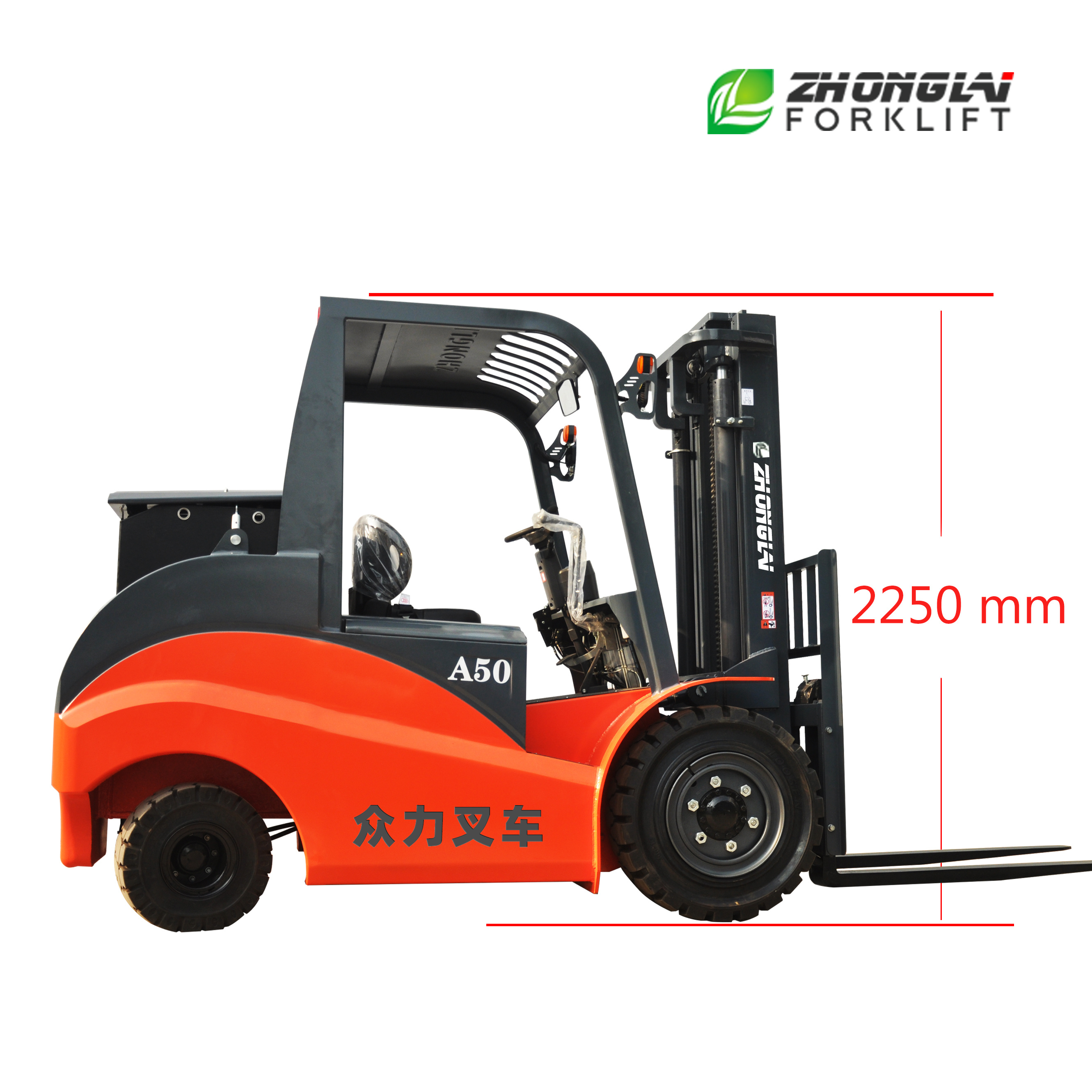
When it comes to material handling in warehouses and distribution centers, electric forklifts, especially those with a capacity of around 3 tons, have gained popularity for several compelling reasons. One of the foremost advantages is their eco-friendliness. Unlike their internal combustion engine counterparts, electric forklifts produce zero emissions, making them an ideal choice for indoor operations where air quality is a concern. This is particularly relevant in settings where products may be susceptible to contamination from exhaust fumes.
From a performance perspective, a 3-ton electric forklift can provide ample lifting power while maintaining energy efficiency. These forklifts are equipped with advanced battery technology, often lithium-ion, which not only supports longer operational hours but also reduces downtime related to battery charging. Furthermore, modern electric forklifts come with regenerative braking systems that recover energy during operation, thus prolonging battery life and reducing the frequency of charging cycles.
In terms of operational costs, while the initial investment in electric forklifts may be higher compared to traditional models, the long-term savings can be significant. Electric forklifts typically have lower maintenance costs due to fewer moving parts and no need for oil changes, which are standard in combustion engines. Additionally, the cost of electricity is generally lower than fuel costs, translating into reduced operational expenses over time.
Safety is another critical consideration in warehouse operations. Electric forklifts are often designed with safety features such as lower centers of gravity, improved visibility for operators, and advanced control systems that can minimize the risk of accidents. With a 3-ton capacity, these forklifts are versatile enough to handle a range of loads while providing operators with greater stability and control, thereby enhancing overall workplace safety.
Moreover, electric forklifts tend to operate more quietly than their gas or diesel counterparts, contributing to a more pleasant working environment. This reduction in noise pollution can lead to improved worker satisfaction and productivity, making it easier for staff to communicate effectively on the warehouse floor.
In conclusion, investing in a 3-ton electric forklift can be a strategic move for businesses involved in logistics and warehousing. With their combination of efficiency, environmental benefits, cost-effectiveness, and enhanced safety features, these forklifts are not just a tool for lifting; they are an asset that can drive operational excellence in your organization. As you explore options for material handling solutions, consider how a 3-ton electric forklift can align with your business goals and operational needs.
From a performance perspective, a 3-ton electric forklift can provide ample lifting power while maintaining energy efficiency. These forklifts are equipped with advanced battery technology, often lithium-ion, which not only supports longer operational hours but also reduces downtime related to battery charging. Furthermore, modern electric forklifts come with regenerative braking systems that recover energy during operation, thus prolonging battery life and reducing the frequency of charging cycles.
In terms of operational costs, while the initial investment in electric forklifts may be higher compared to traditional models, the long-term savings can be significant. Electric forklifts typically have lower maintenance costs due to fewer moving parts and no need for oil changes, which are standard in combustion engines. Additionally, the cost of electricity is generally lower than fuel costs, translating into reduced operational expenses over time.
Safety is another critical consideration in warehouse operations. Electric forklifts are often designed with safety features such as lower centers of gravity, improved visibility for operators, and advanced control systems that can minimize the risk of accidents. With a 3-ton capacity, these forklifts are versatile enough to handle a range of loads while providing operators with greater stability and control, thereby enhancing overall workplace safety.
Moreover, electric forklifts tend to operate more quietly than their gas or diesel counterparts, contributing to a more pleasant working environment. This reduction in noise pollution can lead to improved worker satisfaction and productivity, making it easier for staff to communicate effectively on the warehouse floor.
In conclusion, investing in a 3-ton electric forklift can be a strategic move for businesses involved in logistics and warehousing. With their combination of efficiency, environmental benefits, cost-effectiveness, and enhanced safety features, these forklifts are not just a tool for lifting; they are an asset that can drive operational excellence in your organization. As you explore options for material handling solutions, consider how a 3-ton electric forklift can align with your business goals and operational needs.
PREVIOUS:
Contact Us

Professional forklift manufacturer
Products Hotline:+86-19203299111
WhatsApp:+8613582499666
Email:sales@good-forklift.com
Wechat:+86-19203299111
Mobile website