

Electric Portable Forklifts: Customization Options to Meet Diverse Business Needs
Sep 30,2026
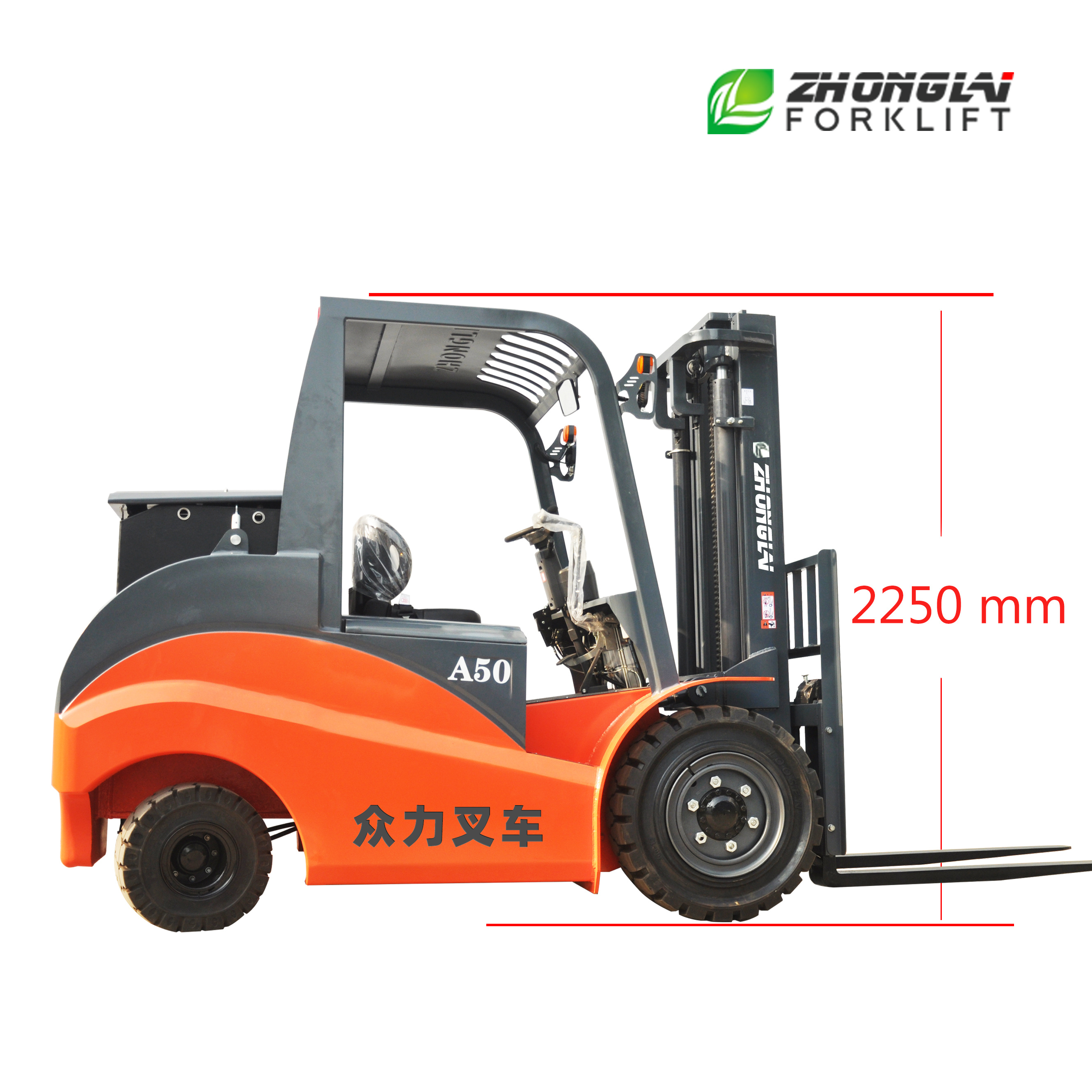
Electric Portable Forklifts: Customization Options to Meet Diverse Business Needs
The evolution of electric portable forklifts has revolutionized the material handling industry. These versatile machines are designed to be both efficient and environmentally friendly, making them essential for a wide range of applications. However, the true power of electric portable forklifts lies in their ability to be customized to fit the specific needs of various businesses. In this article, we will explore the various customization options available for electric portable forklifts and how they can be tailored to meet diverse operational requirements.
Understanding Electric Portable Forklifts
Electric portable forklifts are compact, battery-operated machines that offer mobility and ease of use in material handling. Unlike traditional gas or diesel forklifts, electric versions provide a quieter and more environmentally conscious alternative, making them perfect for indoor use or in settings where emissions are a concern.
Key Features of Electric Portable Forklifts
Before diving into customization options, it’s essential to understand the key features that define electric portable forklifts. These include:
- Zero Emissions: Electric forklifts produce no harmful emissions, making them ideal for enclosed spaces.
- Lower Operating Costs: The cost of electricity is significantly lower than fossil fuels, leading to reduced operational expenses.
- Enhanced Maneuverability: Their compact size allows for easy navigation in tight spaces.
- Quieter Operation: This makes them suitable for environments where noise is a concern.
Customization Options for Electric Portable Forklifts
Customization is crucial for ensuring that electric portable forklifts meet the unique demands of a business. Here are some options available for customization:
1. Capacity and Size Adjustments
One of the most significant customization options is adjusting the forklift's size and load capacity. Businesses can choose machines that fit their specific requirements, whether they need a compact forklift for small operations or a more robust model for heavier loads.
Factors to Consider
- Load Weight: Determine the maximum weight the forklift needs to handle.
- Height Requirements: Consider the vertical lift height necessary for your operations.
- Available Space: Assess the aisle widths and storage areas to ensure the chosen forklift fits comfortably.
2. Battery and Charging Options
Customization can also include selecting the right battery type and charging system. Different battery options are available based on the operational hours and the frequency of use.
Common Battery Types
- Lead-Acid Batteries: Cost-effective and suitable for moderate use.
- Lithium-Ion Batteries: Higher upfront costs but longer lifespan and faster charging capabilities.
3. Attachment Compatibility
Forklifts can be equipped with various attachments to enhance their functionality. Custom attachments allow businesses to tackle specific tasks effectively.
Popular Attachments Include:
- Pallet Forks: Ideal for standard pallet handling.
- Drum Handlers: Useful for moving drums and barrels safely.
- Fork Extensions: For handling larger loads without compromising safety.
Safety Features for Custom Electric Forklifts
Safety should always be a priority in any material handling operation. Many customization options are focused on enhancing the safety features of electric portable forklifts.
Advanced Safety Technologies
Integrating advanced safety technologies can help mitigate risks in the workplace:
- Load Sensors: Prevent overload by alerting operators when weight limits are approached.
- Cameras and Sensors: Improve visibility and awareness in crowded environments.
- Automatic Braking Systems: Enhance stopping capabilities in emergencies.
Ergonomic Customization Options
The comfort of the operator can significantly impact productivity. Ergonomic adjustments can be added to ensure a more comfortable working environment.
Ergonomic Adjustments Include:
- Adjustable Seats: For optimum comfort during prolonged use.
- Steering Wheel Positioning: Customizable to suit operator preferences.
- Vibration Dampening: To reduce fatigue during operation.
Choosing the Right Customization for Your Business
Selecting the appropriate customization for electric portable forklifts requires careful consideration of your unique operational needs.
Assess Your Business Requirements
Begin by conducting a thorough assessment of your needs:
- What types of materials will you be handling?
- How often will forklifts be used?
- Will you require specific attachments or safety features?
Consulting with Experts
Engaging with forklift suppliers or manufacturers can provide valuable insights into the best customization options available. They can recommend the most suitable configurations based on your operational requirements.
Cost Considerations for Custom Electric Forklifts
When customizing electric portable forklifts, it’s essential to consider the overall costs involved. While customization may increase the initial investment, it often leads to improved efficiency and lower operational costs in the long run.
Balancing Quality and Budget
Striking a balance between quality and budget is vital. Investing in high-quality components and features may lead to greater durability and lower maintenance costs.
Maintenance of Customized Electric Portable Forklifts
Once the electric portable forklifts are customized, regular maintenance becomes crucial to ensure longevity and optimal performance.
Essential Maintenance Practices
- Regular Inspections: Conduct thorough inspections to identify wear and tear.
- Battery Care: Follow recommended charging practices to prolong battery life.
- Cleaning: Keep the forklift clean to prevent debris buildup that may affect performance.
FAQs about Electric Portable Forklifts Customization
1. What are the advantages of electric portable forklifts over traditional ones?
Electric portable forklifts offer numerous advantages, including lower operational costs, zero emissions, and quieter operation, making them perfect for indoor settings.
2. How can I determine the right load capacity for my business needs?
Assess the maximum weight of the materials you regularly handle and consider any future growth that may require handling heavier loads.
3. Are there any additional safety features I should consider when customizing my forklift?
Yes, consider integrating load sensors, cameras, and automatic braking systems to enhance safety in your workplace.
4. What battery type should I choose for my electric forklift?
The choice between lead-acid and lithium-ion batteries depends on your operational needs. Lithium-ion batteries offer faster charging and longer life, while lead-acid batteries are more cost-effective.
5. How often should I perform maintenance on my forklift?
Regular maintenance should be scheduled according to the manufacturer's guidelines, typically involving inspections every few months and more extensive servicing annually.
Conclusion
Electric portable forklifts represent a versatile and eco-friendly solution for material handling in various industries. The ability to customize these machines to meet specific operational needs not only enhances productivity but also ensures safety and comfort for operators. By understanding the available customization options—including capacity adjustments, battery selections, and safety features—businesses can invest in equipment that truly meets their unique demands. Through careful consideration of customization and regular maintenance, electric portable forklifts can serve as an invaluable asset, driving efficiency and success in your operations.
Contact Us

Professional forklift manufacturer
Products Hotline:+86-19203299111
WhatsApp:+8613582499666
Email:sales@good-forklift.com
Wechat:+86-19203299111
Mobile website