

How to Extend the Lifespan of Your Electric Forklift Stacker
Oct 06,2026
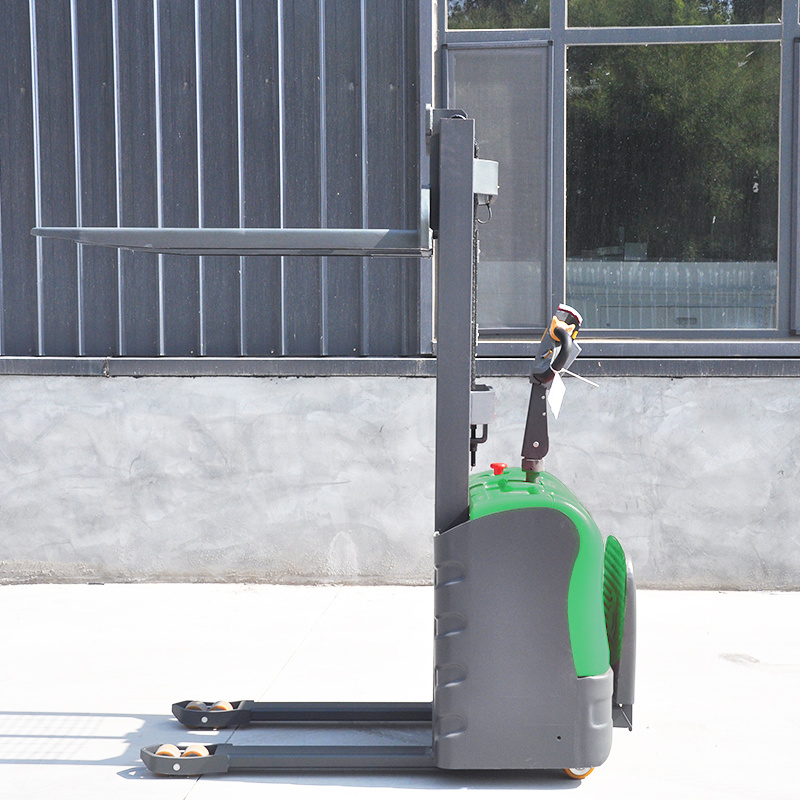
How to Extend the Lifespan of Your Electric Forklift Stacker
Electric forklift stackers are essential for efficient warehouse operations, offering versatility and ease of use. However, like any industrial equipment, they require proper care and maintenance to ensure longevity and optimal performance. In this guide, we will explore various strategies and practices to extend the lifespan of your electric forklift stacker, helping you save money and improve productivity.
Table of Contents
- Understanding Electric Forklift Stackers
- The Importance of Regular Maintenance
- Conducting Daily Checks
- Best Practices for Battery Care
- Operational Best Practices for Forklift Stackers
- Considering Environmental Factors
- Upgrading and Modifying Your Forklift Stackers
- When to Seek Professional Servicing
- Frequently Asked Questions
Understanding Electric Forklift Stackers
Electric forklift stackers are specialized vehicles designed for lifting and moving goods in warehouses and distribution centers. They offer numerous advantages over their gas-powered counterparts, including lower operational costs, reduced emissions, and quieter operation. However, to maximize these benefits, it’s crucial to understand the specifics of how these machines operate and what factors influence their longevity.
The Importance of Regular Maintenance
Regular maintenance is the cornerstone of extending the lifespan of any electric forklift stacker. A well-maintained machine will perform better, consume less energy, and experience fewer breakdowns. Preventative maintenance can save businesses significant amounts of money in repair costs and downtime. Key maintenance tasks include:
- Inspecting the hydraulic system for leaks.
- Checking the electrical connections and wiring for signs of wear.
- Evaluating the condition of the tires and replacing them when necessary.
- Lubricating moving parts to reduce friction and wear.
Conducting Daily Checks
Before operating an electric forklift stacker, conducting a series of daily checks can prevent potential issues from escalating into costly repairs. Consider incorporating the following checks into your daily routine:
- Battery Inspection: Ensure the battery is properly charged and check for signs of corrosion or damage.
- Fluid Levels: Check hydraulic fluid levels to ensure proper operation.
- Visual Inspection: Look for any visible signs of wear and tear, such as damaged forks or leaks.
- Operational Test: Conduct a brief operational test to ensure all functions are working correctly.
Best Practices for Battery Care
The battery is one of the most critical components of an electric forklift stacker, directly influencing its performance and lifespan. Proper battery care is essential to prevent premature failure and ensure efficient operation. Here are some best practices:
- Regular Charging: Always charge the battery according to the manufacturer’s recommendations. Avoid deep discharges to enhance battery life.
- Clean Terminals: Keep battery terminals clean and free of corrosion to ensure efficient power transfer.
- Temperature Management: Store and charge batteries in a temperature-controlled environment to avoid damage from extreme temperatures.
- Water Levels: Regularly check and maintain the correct water levels in non-sealed lead-acid batteries.
Operational Best Practices for Forklift Stackers
How operators use electric forklift stackers significantly affects their lifespan. Implementing best practices during operation can reduce wear and tear and prevent accidents. Here are essential operational tips:
- Smooth Driving: Encourage operators to drive smoothly, avoiding sudden starts and stops.
- Training: Provide comprehensive training for all operators to ensure safe and efficient use of the equipment.
- Load Management: Always adhere to the load capacity specified by the manufacturer to avoid straining the stacker.
- Proper Stacking Techniques: Train operators on proper stacking techniques to minimize risk and ensure stability during transport.
Considering Environmental Factors
The environment in which electric forklift stackers operate can significantly impact their longevity. Factors such as temperature, humidity, and exposure to dust can affect performance. Consider the following:
- Maintain Cleanliness: Keep the work environment clean to prevent dust and debris from entering the machinery.
- Temperature Control: Try to maintain a moderate temperature in the warehouse to prevent battery and equipment overheating.
- Humidity Levels: Control humidity levels to prevent corrosion and electrical issues.
Upgrading and Modifying Your Forklift Stackers
Upgrading components or modifying electric forklift stackers can lead to improved performance and extended lifespan. Consider the following upgrades:
- Enhanced Battery Systems: Investing in advanced battery technology can improve efficiency and reduce downtime.
- Ergonomic Modifications: Adding ergonomic features can enhance operator comfort and productivity, indirectly extending the machine's lifespan.
- Telematics Systems: Implementing telematics can monitor machine performance in real-time and alert you to potential issues before they become significant problems.
When to Seek Professional Servicing
While regular maintenance and daily checks can prevent many issues, some situations require professional expertise. Consider scheduling professional servicing in the following instances:
- When Experiencing Performance Issues: If the forklift stacker exhibits unusual behavior, such as poor lifting capabilities or erratic movements, professional diagnosis is essential.
- After Extensive Use: For machines that have been heavily used, schedule a comprehensive check-up to ensure all components are functioning optimally.
- Before Major Operations: Prior to significant warehouse operations or busy seasons, consider a professional inspection to avoid potential downtime.
Frequently Asked Questions
1. How often should I perform maintenance on my electric forklift stacker?
Regular maintenance should be performed as recommended by the manufacturer, typically every three to six months. Daily checks are also crucial.
2. What are the signs that my forklift stacker needs repair?
Look for unusual noises, poor lifting performance, electrical issues, or visual signs of wear and tear. If you notice any of these, it's time to seek professional assistance.
3. Can I perform maintenance tasks myself?
While many daily checks can be performed by operators, more complex maintenance tasks should be handled by qualified personnel to ensure safety and compliance with regulations.
4. What is the average lifespan of an electric forklift stacker?
With proper maintenance and care, electric forklift stackers can last anywhere from 5 to 15 years, depending on usage and environmental conditions.
5. Are there specific battery care practices I should follow?
Yes, ensure regular charging, clean terminals, maintain correct water levels, and store batteries at appropriate temperatures to extend their lifespan.
Conclusion
Extending the lifespan of your electric forklift stacker is achievable through a combination of regular maintenance, operator training, and environmental considerations. By following the best practices outlined in this guide, you can enhance the efficiency and durability of your equipment, ultimately leading to cost savings and improved productivity in your warehouse operations. Prioritizing upkeep not only maximizes your investment but also ensures a safer work environment for your team.
PREVIOUS:
Contact Us

Professional forklift manufacturer
Products Hotline:+86-19203299111
WhatsApp:+8613582499666
Email:sales@good-forklift.com
Wechat:+86-19203299111
Mobile website