

Unlocking Efficiency: The Benefits of Electric 3-Ton Forklifts in Transportation and Warehousing
Jul 23,2026
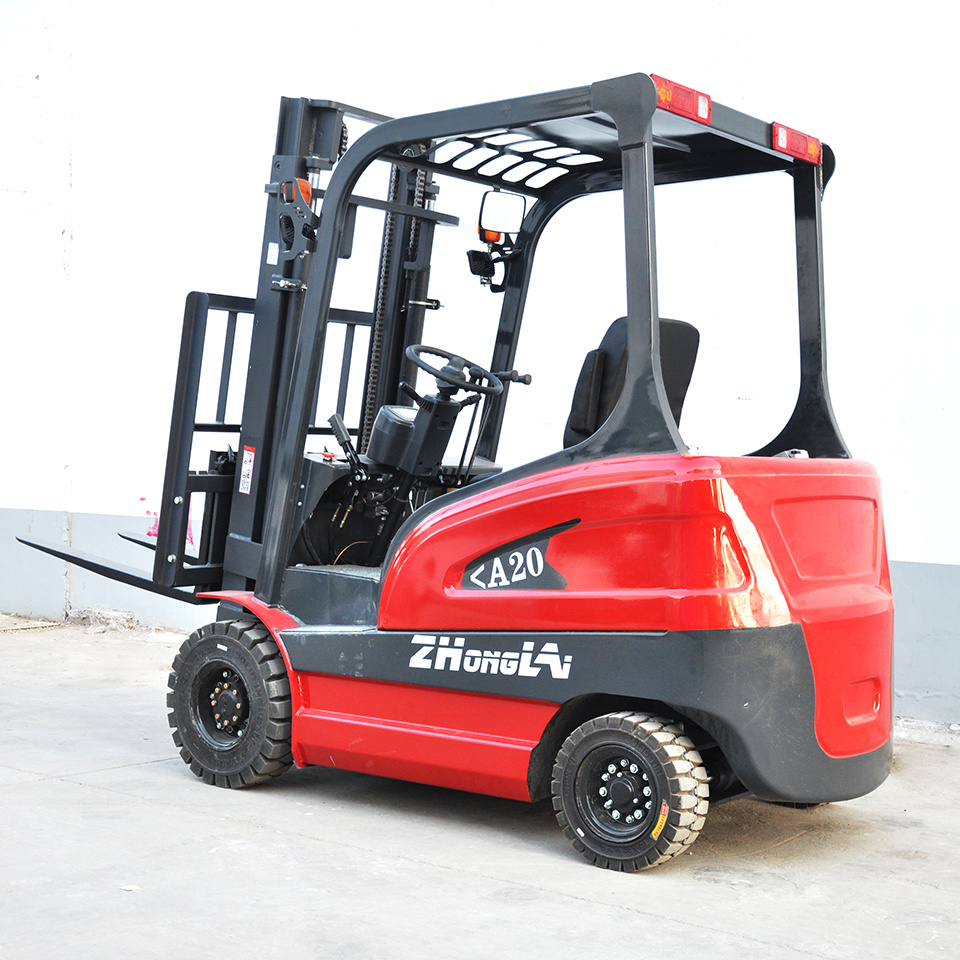
In the rapidly evolving landscape of the transportation and warehousing industry, electric forklifts, particularly the 3-ton models, are gaining significant traction. These machines are not only transforming the way businesses operate but also setting new standards for efficiency and sustainability.
Electric forklifts, especially those with a 3-ton capacity, offer numerous advantages compared to their internal combustion counterparts. One of the most notable benefits is their operational efficiency. With advances in battery technology, modern electric forklifts can operate for extended periods without the need for frequent recharging. This translates to reduced downtime and increased productivity, allowing companies to streamline their operations effectively.
Another key advantage lies in the environmental impact of electric forklifts. As the world moves towards greener practices, using electric-powered machinery helps reduce carbon emissions significantly. Businesses that adopt electric 3-ton forklifts not only contribute to a healthier environment but also align with global sustainability goals. This is becoming increasingly important, as consumers and partners alike are prioritizing eco-friendly practices in their supply chains.
Moreover, electric forklifts are known for their lower operating costs. They require less maintenance than traditional forklifts, which often need regular fuel adjustments and engine repairs. The electric systems have fewer moving parts, resulting in less wear and tear and ultimately reducing maintenance costs. Additionally, the cost of electricity is generally lower than that of diesel or gas, leading to long-term savings on operational expenses.
Safety is another crucial aspect in which electric 3-ton forklifts excel. They are typically quieter than their gas-powered peers, enhancing workplace safety by reducing noise pollution. Furthermore, many electric models come equipped with advanced safety features, such as automatic braking systems and improved visibility, which contribute to a safer working environment for operators and nearby personnel.
When considering the transition to electric forklifts, businesses should also take into account the training and support required for their workforce. Although electric forklifts are generally easier to operate, ensuring that your team is adequately trained can maximize the benefits and efficiency these machines offer.
In conclusion, electric 3-ton forklifts present a range of advantages that can significantly improve efficiency, reduce environmental impact, and lower operational costs in the transportation and warehousing industry. As businesses strive for more sustainable and cost-effective solutions, investing in electric forklifts may prove to be a forward-thinking decision that enhances both productivity and corporate responsibility.
Electric forklifts, especially those with a 3-ton capacity, offer numerous advantages compared to their internal combustion counterparts. One of the most notable benefits is their operational efficiency. With advances in battery technology, modern electric forklifts can operate for extended periods without the need for frequent recharging. This translates to reduced downtime and increased productivity, allowing companies to streamline their operations effectively.
Another key advantage lies in the environmental impact of electric forklifts. As the world moves towards greener practices, using electric-powered machinery helps reduce carbon emissions significantly. Businesses that adopt electric 3-ton forklifts not only contribute to a healthier environment but also align with global sustainability goals. This is becoming increasingly important, as consumers and partners alike are prioritizing eco-friendly practices in their supply chains.
Moreover, electric forklifts are known for their lower operating costs. They require less maintenance than traditional forklifts, which often need regular fuel adjustments and engine repairs. The electric systems have fewer moving parts, resulting in less wear and tear and ultimately reducing maintenance costs. Additionally, the cost of electricity is generally lower than that of diesel or gas, leading to long-term savings on operational expenses.
Safety is another crucial aspect in which electric 3-ton forklifts excel. They are typically quieter than their gas-powered peers, enhancing workplace safety by reducing noise pollution. Furthermore, many electric models come equipped with advanced safety features, such as automatic braking systems and improved visibility, which contribute to a safer working environment for operators and nearby personnel.
When considering the transition to electric forklifts, businesses should also take into account the training and support required for their workforce. Although electric forklifts are generally easier to operate, ensuring that your team is adequately trained can maximize the benefits and efficiency these machines offer.
In conclusion, electric 3-ton forklifts present a range of advantages that can significantly improve efficiency, reduce environmental impact, and lower operational costs in the transportation and warehousing industry. As businesses strive for more sustainable and cost-effective solutions, investing in electric forklifts may prove to be a forward-thinking decision that enhances both productivity and corporate responsibility.
Contact Us

Professional forklift manufacturer
Products Hotline:+86-19203299111
WhatsApp:+8613582499666
Email:sales@good-forklift.com
Wechat:+86-19203299111
Mobile website