

Expert Tips for Seamless Integration of Electric Forklift Stackers into Your Operations
Jul 26,2026
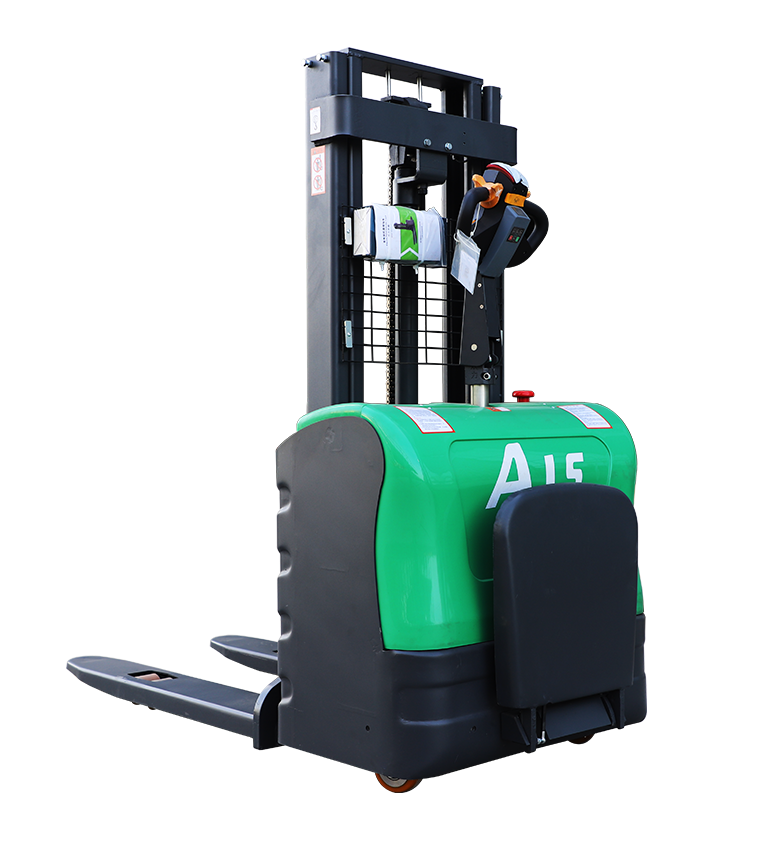
Expert Tips for Seamless Integration of Electric Forklift Stackers into Your Operations
Table of Contents
- Introduction to Electric Forklift Stackers
- Benefits of Electric Forklift Stackers in Modern Warehousing
- How to Choose the Right Electric Forklift Stacker for Your Needs
- Planning the Integration of Electric Forklift Stackers
- Optimizing Workflow with Electric Forklift Stackers
- Essential Training for Your Team
- Safety Considerations for Electric Forklift Stackers
- Maintenance and Support for Long-Term Efficiency
- Conclusion
- FAQs about Electric Forklift Stackers
Introduction to Electric Forklift Stackers
Electric forklift stackers represent a pivotal shift in logistics and warehousing operations, offering enhanced efficiency and sustainability. As industries increasingly pivot towards greener solutions, the adoption of electric forklifts is becoming vital for companies aiming to reduce their carbon footprint while optimizing their material handling processes. This article will provide comprehensive guidance on how to successfully integrate electric forklift stackers into your operations, ensuring a seamless transition that boosts productivity and aligns with modern sustainability goals.
Benefits of Electric Forklift Stackers in Modern Warehousing
Integrating electric forklift stackers into your operations can yield multiple benefits, making them a smart choice for logistics and warehousing.
1. Enhanced Efficiency and Productivity
Electric forklift stackers are designed for rapid operation, allowing for quicker movement of goods. Their ability to handle heavy loads with ease significantly improves operational efficiency. By incorporating these machines, businesses can streamline processes, reducing the time taken to move inventory.
2. Reduced Operational Costs
Although the initial investment may be higher than traditional gas-powered forklifts, electric stackers lead to significant savings in the long run. Lower energy costs, reduced maintenance, and fewer repairs contribute to overall operational cost reductions.
3. Environmental Benefits
Electric forklift stackers produce zero emissions, supporting corporate sustainability initiatives. As regulations surrounding environmental impact tighten, transitioning to electric options positions your business as a leader in eco-friendly practices.
4. Improved Workplace Safety
With fewer moving parts and lower noise levels, electric forklift stackers enhance workplace safety. Their precision controls and advanced safety features help mitigate the risk of accidents, creating a safer environment for employees.
5. Flexibility in Operations
Electric stackers can operate in various environments, from warehouses to retail spaces. Their compact size allows them to navigate tight spaces, providing versatility in material handling.
How to Choose the Right Electric Forklift Stacker for Your Needs
Selecting the right electric forklift stacker requires careful consideration of several factors that align with your operational requirements. Here are some key elements to consider:
1. Load Capacity
Evaluate the maximum weight your electric stacker needs to handle. Ensuring the stacker can support your heaviest loads is crucial for efficiency and safety.
2. Lift Height
Determine the required lift height based on your shelving or storage configuration. Choose a stacker that can reach the necessary heights without compromising stability.
3. Battery Life
Battery performance is critical for uninterrupted operations. Look for models with extended battery life and fast charging capabilities to minimize downtime.
4. Maneuverability
Electric forklift stackers should be easy to maneuver in your specific working environment. Consider the dimensions and turning radius to ensure they can navigate effectively in your space.
5. Manufacturer Reputation
Invest in equipment from reputable manufacturers known for quality and customer support. Research reviews and seek recommendations to ensure you are making a sound investment.
Planning the Integration of Electric Forklift Stackers
Once you have chosen the right electric forklift stackers, careful planning is essential for a smooth integration into your operations.
1. Assess Current Operations
Conduct a thorough analysis of your existing workflow and material handling processes. Identifying inefficiencies will help you determine how electric stackers can enhance your operations.
2. Develop an Integration Timeline
Create a realistic timeline for the integration process, outlining key milestones and deadlines. This will help keep your team aligned and ensure a structured approach to the transition.
3. Collaborate with Stakeholders
Engage with key stakeholders, including employees, managers, and safety officers, to gather insights and feedback. Their input can help refine your integration strategy and foster buy-in.
4. Modify Layouts and Processes
Consider adjusting your warehouse layout and processes to accommodate the new equipment. Optimizing space and workflows can significantly enhance operational efficiency.
Optimizing Workflow with Electric Forklift Stackers
Integrating electric forklift stackers is only the first step; optimizing their use within your operations is crucial for maximizing benefits.
1. Implement Efficient Routing
Design efficient routes for stackers to minimize travel time and reduce congestion. Analyzing traffic patterns can help identify areas for improvement.
2. Schedule Regular Maintenance
Establish a routine maintenance schedule to ensure optimal performance of your electric stackers. Preventative maintenance can help avoid costly repairs and extend the equipment's lifespan.
3. Monitor Performance Metrics
Use key performance indicators (KPIs) to track the effectiveness of your electric stackers. Metrics such as load handling times and battery usage can provide insights for further optimization.
4. Encourage Team Collaboration
Foster a culture of teamwork amongst employees utilizing electric stackers. Encouraging communication and collaboration can streamline operations and improve overall efficiency.
Essential Training for Your Team
Proper training is vital for ensuring that your team can effectively use electric forklift stackers and optimize their performance.
1. Comprehensive Training Programs
Implement comprehensive training programs that cover equipment operation, safety protocols, and maintenance practices. Regular training sessions can help keep employees informed and skilled.
2. Hands-On Experience
Provide opportunities for hands-on experience with electric stackers. Practical training not only enhances learning but also builds confidence among operators.
3. Continuous Learning
Encourage continuous learning and development by keeping the team updated on the latest technologies and best practices in material handling.
Safety Considerations for Electric Forklift Stackers
Safety should always be a priority when integrating electric forklift stackers into your operations. Here are some key safety considerations:
1. Conduct Safety Audits
Regular safety audits can help identify potential hazards and areas for improvement. Use findings to refine safety protocols and training programs.
2. Implement Safety Features
Choose electric stackers equipped with advanced safety features, such as automatic braking systems and stability controls, to enhance overall safety.
3. Promote a Safety Culture
Foster a culture of safety within your organization. Encourage employees to prioritize safety and report any potential hazards immediately.
Maintenance and Support for Long-Term Efficiency
To ensure the longevity and effectiveness of your electric forklift stackers, establishing a maintenance and support plan is essential.
1. Regular Inspections
Schedule regular inspections to identify wear and tear or any potential issues early. Catching problems before they escalate can save time and money.
2. Partner with Service Providers
Consider partnering with a reliable service provider for ongoing maintenance and repairs. A dedicated technician familiar with your equipment can enhance reliability and performance.
3. Keep Spare Parts on Hand
Maintaining a stock of essential spare parts can minimize downtime during repairs. Assess your most commonly replaced components and ensure they are readily available.
Conclusion
Integrating electric forklift stackers into your operations is a strategic move that can lead to enhanced efficiency, cost savings, and improved safety. By carefully choosing the right equipment, planning the integration process, and prioritizing training and safety, businesses can seamlessly transition to electric solutions that align with modern logistics demands. With the right approach, your operations can thrive in an increasingly competitive environment while contributing to sustainability goals.
FAQs about Electric Forklift Stackers
1. What are the main advantages of electric forklift stackers over traditional gas-powered models?
Electric forklift stackers offer numerous advantages, including lower operational costs, zero emissions, enhanced safety features, and reduced noise levels, making them ideal for indoor use.
2. How do I determine the right size electric forklift stacker for my warehouse?
Consider factors such as load capacity, lift height, and available space in your facility. Analyzing your specific operational needs will help you select the appropriate model.
3. What kind of training is required for operating electric forklift stackers?
Operators should undergo comprehensive training that includes theoretical knowledge and hands-on experience. Safety protocols and regular refreshers are also essential.
4. How often should electric forklift stackers be maintained?
Implement a regular maintenance schedule, including daily checks and periodic servicing, to ensure optimal performance and prevent unexpected breakdowns.
5. Can electric forklift stackers be used outdoors?
While some electric stackers are suitable for outdoor use, it’s essential to verify the manufacturer's specifications and ensure they are designed for outdoor conditions, considering factors like terrain and weather.
Contact Us

Professional forklift manufacturer
Products Hotline:+86-19203299111
WhatsApp:+8613582499666
Email:sales@good-forklift.com
Wechat:+86-19203299111
Mobile website