

How to Effectively Budget for Your Electric Portable Forklift Needs
Jul 20,2026
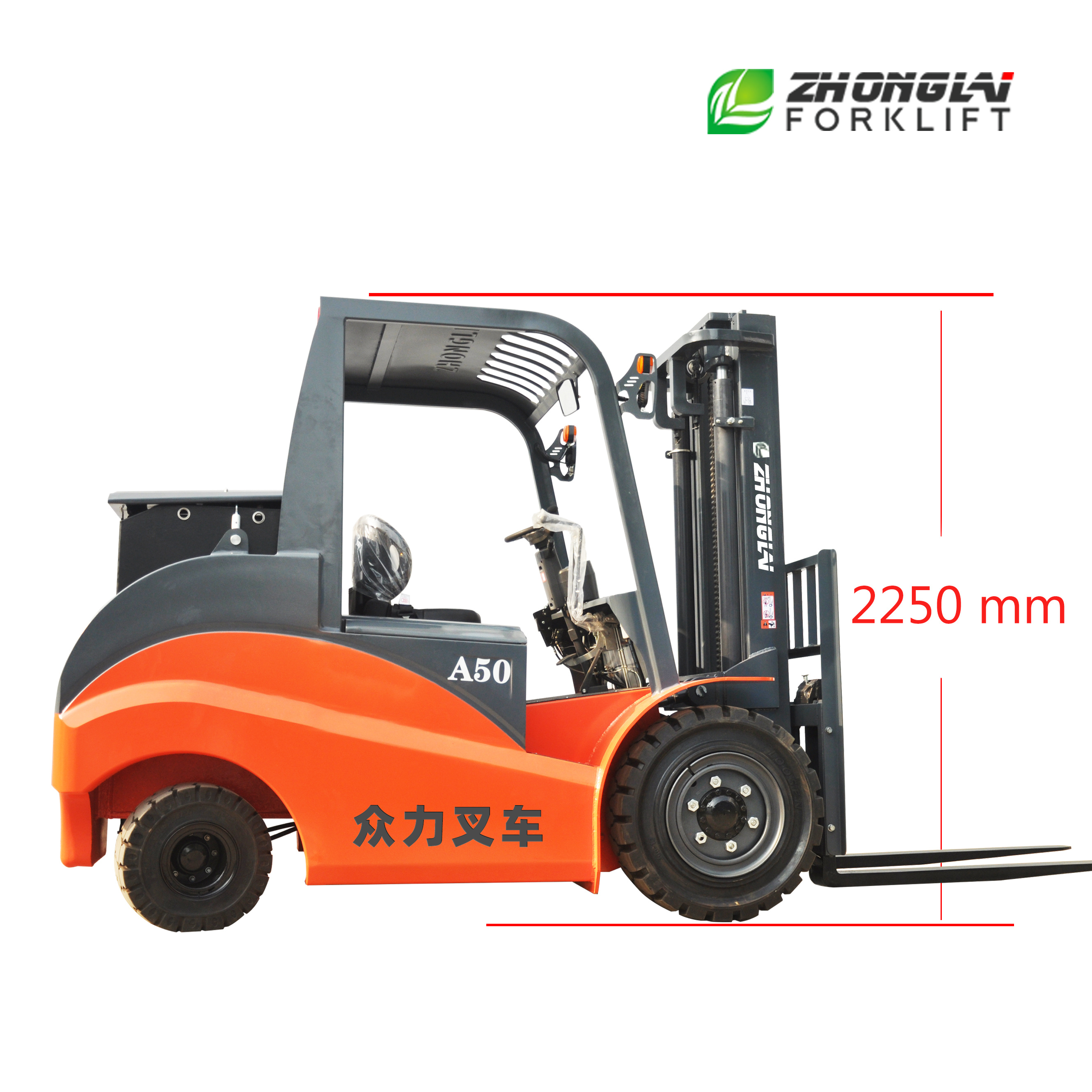
How to Effectively Budget for Your Electric Portable Forklift Needs
Table of Contents
- Understanding Electric Portable Forklifts
- Initial Costs of Electric Portable Forklifts
- Ongoing Maintenance and Operational Costs
- Financing Options for Forklift Purchases
- Calculating Total Cost of Ownership
- Government Grants and Incentives
- Making a Smart Purchase Decision
- Frequently Asked Questions
Understanding Electric Portable Forklifts
Electric portable forklifts are essential tools in modern logistics and warehouse management. They provide flexibility, maneuverability, and efficiency in handling heavy loads. Unlike their gas-powered counterparts, electric forklifts are quieter, emit no exhaust fumes, and can operate indoors without compromising air quality. Understanding the features, benefits, and operational requirements of electric portable forklifts can significantly impact your budgeting process.
The Advantages of Electric Forklifts
Investing in electric portable forklifts offers numerous advantages:
1. **Reduced Operational Costs**: Electric forklifts typically have lower energy costs compared to gasoline or diesel models.
2. **Environmental Benefits**: They contribute to a cleaner work environment by producing zero emissions.
3. **Low Noise Levels**: Their quieter operation fosters a better working atmosphere, especially in indoor facilities.
4. **Lower Maintenance Needs**: Electric models usually require less maintenance than their internal combustion engine counterparts.
Initial Costs of Electric Portable Forklifts
When budgeting for electric portable forklifts, the initial purchase cost is a significant factor. Prices can vary widely based on specifications, brand, and additional features. Here’s what to consider:
Factors Influencing Purchase Price
- **Capacity and Specifications**: Heavier load capacities and advanced technology can increase costs.
- **Brand Reputation**: Established brands may command a premium due to reliability and service networks.
- **Features and Customizations**: Additional features such as ergonomic designs, advanced safety systems, and telematics can impact the price.
Budgeting for Additional Equipment
In addition to the forklift itself, consider budgeting for accessories and equipment such as:
- **Attachments**: Fork extensions, clamps, and other attachments can enhance functionality.
- **Batteries and Chargers**: High-quality batteries and reliable chargers are essential for optimal performance.
- **Safety Equipment**: Forklift operators may need training materials and safety gear.
Ongoing Maintenance and Operational Costs
Understanding ongoing costs is crucial for effective budgeting. These expenses can include:
Regular Maintenance Costs
- **Routine Inspections**: Regular checks for wear and tear can prevent costly repairs.
- **Battery Maintenance**: Maintaining batteries is vital for longevity and performance. Proper care involves regular charging and monitoring fluid levels.
Operational Costs
- **Electricity Costs**: Calculate the approximate cost of charging your forklifts based on your local electricity rates.
- **Insurance**: Factor in insurance costs to protect your investment.
Financing Options for Forklift Purchases
Financing can ease the burden of upfront costs. Here are several options to consider:
Leasing vs. Buying
- **Leasing**: This option allows you to use a forklift without large upfront costs, making it ideal for businesses with fluctuating needs.
- **Buying**: If your business requires a forklift long-term, purchasing may be more cost-effective.
Loan Options
Investigate various loan options tailored for equipment purchases, including:
- **Bank Loans**: Traditional bank financing can provide low-interest rates for qualified businesses.
- **Equipment Financing Companies**: These companies specialize in funding forklifts and similar equipment.
Calculating Total Cost of Ownership
Understanding the total cost of ownership (TCO) involves more than just the purchase price. It includes:
Calculating TCO
1. **Purchase Price**: Initial cost of the forklift.
2. **Maintenance Costs**: Estimated annual maintenance expenses.
3. **Operating Costs**: Annual costs for electricity and other operational expenses.
4. **Resale Value**: Consider potential resale value when planning for future budgets.
Government Grants and Incentives
Many businesses overlook available grants and incentives that can alleviate financial burdens. Research local and federal programs that support the purchase of electric forklifts, offering potential tax benefits or rebates.
Tax Deductions and Credits
Certain tax deductions and credits may apply to businesses investing in energy-efficient equipment. Consult with a tax professional to maximize your benefits.
Making a Smart Purchase Decision
Once you’ve established your budget and considered financing options, it’s time to make an informed purchase decision:
Conducting Research and Comparisons
- **Compare Models**: Evaluate different models based on price, features, and reviews.
- **Check Reviews and Testimonials**: Learning from other users can provide insights into reliability and performance.
Work with Reliable Dealers
Choose reputable dealers known for their customer service and support. A good dealer can assist in selecting the right forklift and provide after-sales service.
Frequently Asked Questions
1. What is the average cost of an electric portable forklift?
The average cost can range from $20,000 to $50,000, depending on specifications and brand.
2. How long do electric forklift batteries last?
With proper maintenance, electric forklift batteries can last between 5 to 7 years.
3. Are there any government incentives for electric forklifts?
Yes, many local and federal programs offer grants, tax deductions, and incentives for businesses investing in energy-efficient equipment.
4. Can leasing be more beneficial than buying?
Leasing can be advantageous for businesses with fluctuating needs, as it reduces upfront costs and allows for flexibility in upgrades.
5. What are the ongoing costs associated with owning an electric forklift?
Ongoing costs include electricity for charging, maintenance, insurance, and potential repairs.
Conclusion
Effectively budgeting for your electric portable forklift needs requires a comprehensive understanding of initial costs, ongoing expenses, financing options, and total cost of ownership. By evaluating these factors carefully, you will be well-equipped to make informed financial decisions that enhance your operational efficiency and boost your bottom line. In today’s business climate, a carefully planned budget ensures that you not only meet your current logistics needs but also position your organization for future growth and success.
PREVIOUS:
Contact Us

Professional forklift manufacturer
Products Hotline:+86-19203299111
WhatsApp:+8613582499666
Email:sales@good-forklift.com
Wechat:+86-19203299111
Mobile website