

Maximizing Efficiency with 3-Ton Electric Forklifts: A Comprehensive Guide
Dec 24,2025
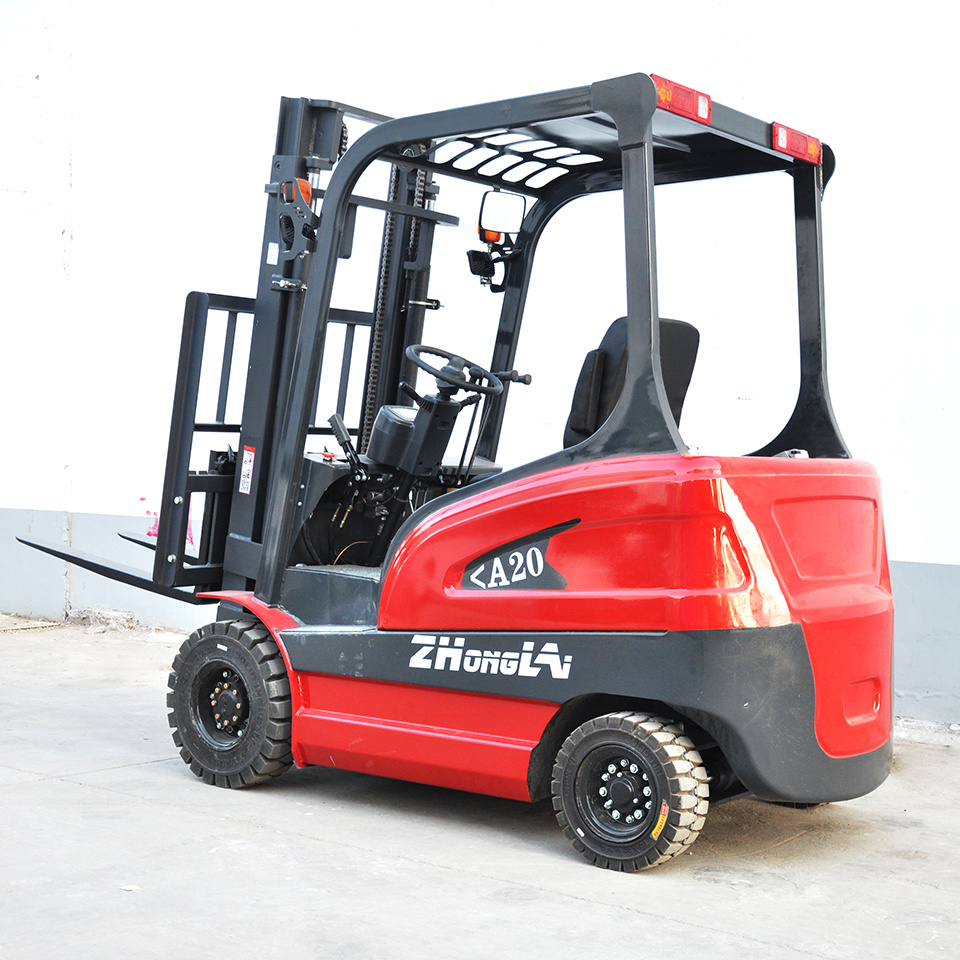
In the evolving landscape of logistics and warehousing, the use of electric forklifts, particularly the 3-ton models, has gained significant traction. These machines are not only engineered to optimize efficiency but also promote sustainability within the workplace. As professionals in the transportation and warehousing sector consider adopting or upgrading their material handling solutions, understanding the features and advantages of 3-ton electric forklifts can be pivotal.
Electric forklifts offer a host of benefits over their internal combustion counterparts, particularly in terms of operational cost and environmental impact. The 3-ton electric forklift is especially popular due to its balance of power and maneuverability, making it suitable for a wide range of applications—from loading and unloading goods to transporting materials within warehouses.
One key advantage of electric forklifts is their lower operational costs. Electric models typically have reduced maintenance needs compared to diesel or propane forklifts, as they have fewer moving parts and do not require extensive engine maintenance. Additionally, electric forklifts can lead to significant savings on fuel costs, as they operate on rechargeable batteries, which can be charged during off-peak hours to further reduce expenses.
Moreover, 3-ton electric forklifts are designed with ergonomics in mind, ensuring that operators can work comfortably and efficiently. Features such as adjustable seats, easy-to-use controls, and excellent visibility contribute to enhanced productivity and reduced operator fatigue. This ergonomic design is crucial in environments where operators spend extended hours maneuvering the forklift.
In terms of performance, a 3-ton electric forklift is capable of handling substantial loads while maintaining agility in tight spaces. This is particularly beneficial in warehouses where space is at a premium. The ability to operate indoors without emitting harmful exhaust fumes makes electric forklifts ideal for indoor environments, such as distribution centers and retail warehouses.
Safety is another critical factor in the design of electric forklifts. Many modern 3-ton electric models come equipped with advanced safety features, including stability controls, automatic braking systems, and advanced sensors that help prevent accidents. This focus on safety not only protects operators but also reduces liability risks for employers.
In conclusion, investing in a 3-ton electric forklift can provide significant benefits for companies in the transportation and warehousing industry. From lower operational costs and enhanced ergonomics to improved safety and performance, these electric models are an excellent choice for businesses looking to optimize their material handling processes. By understanding the advantages and operational practices associated with 3-ton electric forklifts, professionals can make informed decisions that align with their operational goals and sustainability initiatives.
Electric forklifts offer a host of benefits over their internal combustion counterparts, particularly in terms of operational cost and environmental impact. The 3-ton electric forklift is especially popular due to its balance of power and maneuverability, making it suitable for a wide range of applications—from loading and unloading goods to transporting materials within warehouses.
One key advantage of electric forklifts is their lower operational costs. Electric models typically have reduced maintenance needs compared to diesel or propane forklifts, as they have fewer moving parts and do not require extensive engine maintenance. Additionally, electric forklifts can lead to significant savings on fuel costs, as they operate on rechargeable batteries, which can be charged during off-peak hours to further reduce expenses.
Moreover, 3-ton electric forklifts are designed with ergonomics in mind, ensuring that operators can work comfortably and efficiently. Features such as adjustable seats, easy-to-use controls, and excellent visibility contribute to enhanced productivity and reduced operator fatigue. This ergonomic design is crucial in environments where operators spend extended hours maneuvering the forklift.
In terms of performance, a 3-ton electric forklift is capable of handling substantial loads while maintaining agility in tight spaces. This is particularly beneficial in warehouses where space is at a premium. The ability to operate indoors without emitting harmful exhaust fumes makes electric forklifts ideal for indoor environments, such as distribution centers and retail warehouses.
Safety is another critical factor in the design of electric forklifts. Many modern 3-ton electric models come equipped with advanced safety features, including stability controls, automatic braking systems, and advanced sensors that help prevent accidents. This focus on safety not only protects operators but also reduces liability risks for employers.
In conclusion, investing in a 3-ton electric forklift can provide significant benefits for companies in the transportation and warehousing industry. From lower operational costs and enhanced ergonomics to improved safety and performance, these electric models are an excellent choice for businesses looking to optimize their material handling processes. By understanding the advantages and operational practices associated with 3-ton electric forklifts, professionals can make informed decisions that align with their operational goals and sustainability initiatives.
Contact Us

Professional forklift manufacturer
Products Hotline:+86-19203299111
WhatsApp:+8613582499666
Email:sales@good-forklift.com
Wechat:+86-19203299111
Mobile website