

Key Differences Between Electric Forklift Stackers and Other Equipment
Dec 25,2025
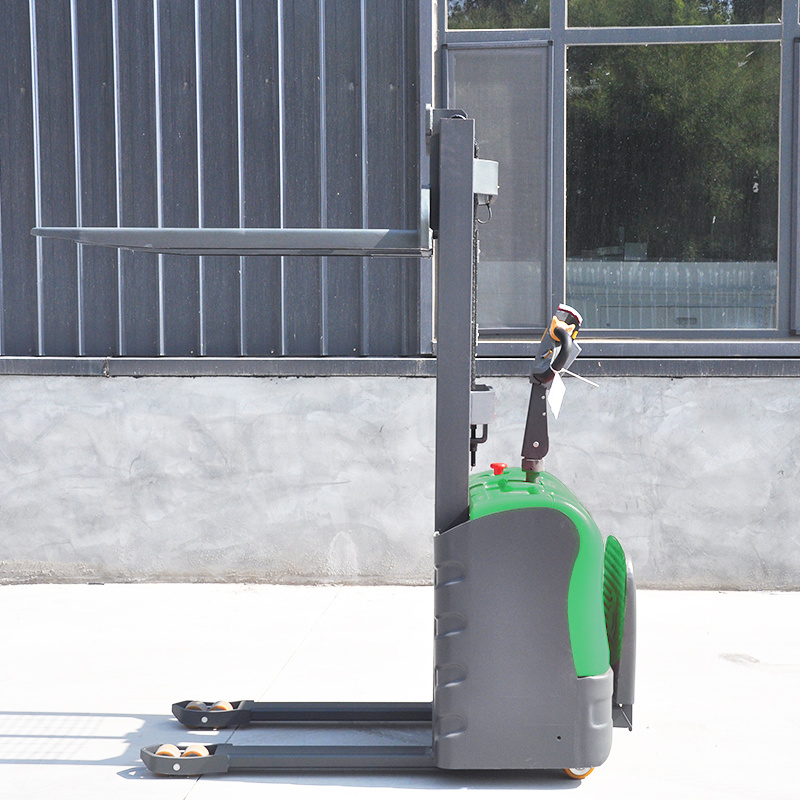
Key Differences Between Electric Forklift Stackers and Other Equipment
Introduction to Material Handling Equipment
In the bustling world of logistics and warehousing, material handling equipment plays a crucial role in streamlining operations. Among the myriad of options, electric forklift stackers stand out due to their unique features and advantages. Understanding the differences between electric forklift stackers and other equipment types, such as manual stackers, pallet jacks, and traditional forklifts, is vital for optimizing warehouse efficiency.
What Are Electric Forklift Stackers?
Electric forklift stackers are powered vehicles designed to lift and transport materials, making them an efficient choice for warehouses and distribution centers. Their electric power source provides numerous benefits, such as reduced emissions and lower operating costs, setting them apart from traditional fuel-powered forklifts.
Key Features of Electric Forklift Stackers
Electric forklift stackers are equipped with various features that enhance their functionality, including:
- **Compact Design**: Ideal for narrow aisles and tight spaces.
- **Lift Capacity**: Capable of lifting heavy loads, often exceeding 2,000 kg.
- **User-Friendly Controls**: Ergonomic designs ensure ease of use and safety.
- **Maintenance-Free Operation**: Advanced battery technology minimizes downtime.
Comparison with Other Material Handling Equipment
To better understand the unique advantages of electric forklift stackers, let’s compare them with some common alternatives.
Electric Forklift Stackers vs. Manual Stackers
**Manual stackers** require human effort to operate, making them less efficient for larger loads or extended use. While they are cost-effective for small-scale operations, they offer limited lifting capabilities and pose a higher risk of injury due to physical exertion.
Advantages of Electric Forklift Stackers over Manual Stackers
1. **Efficiency**: Electric stackers can handle material more quickly and with less effort.
2. **Safety**: Reduced physical strain lowers the risk of worker injuries.
3. **Higher Load Capacity**: Electric stackers can lift heavier items than most manual models.
Electric Forklift Stackers vs. Pallet Jacks
**Pallet jacks** are another popular option for material handling, particularly for moving pallets over short distances. However, they lack the lifting capability of electric stackers, making them less suitable for stacking goods at heights.
Comparative Analysis
- **Lifting Height**: Electric stackers can typically lift loads to greater heights than pallet jacks.
- **Versatility**: Forklift stackers can operate in various settings, from warehouses to retail environments.
- **Electric Power**: Electric stackers offer sustainable operation with lower energy costs compared to pallet jacks that may require manual labor.
Electric Forklift Stackers vs. Traditional Forklifts
Traditional forklifts are widely recognized in the industry, but they are often bulkier and require more space to operate effectively. In contrast, electric stackers are designed for maneuverability in tighter spaces.
Benefits of Choosing Electric Forklift Stackers
1. **Space-Saving Design**: Ideal for environments with narrow aisles.
2. **Reduced Emissions**: Electric models produce no harmful emissions, making them environmentally friendly.
3. **Cost Efficiency**: Lower operational costs due to reduced fuel expenses and maintenance needs.
Applications of Electric Forklift Stackers
Electric forklift stackers are versatile and can be used across various industries. Their applications include:
Warehousing and Distribution
In warehouses, electric stackers facilitate the efficient movement of goods, ensuring swift loading and unloading processes. Their ability to navigate tight spaces allows for optimal space utilization.
Retail Environments
Retailers benefit from electric stackers when managing inventory stock. The ability to easily access high shelves helps maintain organized displays and efficient stock management.
Manufacturing Sector
In manufacturing, electric stackers aid in moving raw materials and finished products, streamlining production lines and enhancing overall efficiency.
Advantages of Using Electric Forklift Stackers
Electric forklift stackers offer a range of benefits that make them a preferred choice in various settings.
Environmental Sustainability
With growing concerns regarding environmental impact, electric stackers are a sustainable option. They reduce carbon footprints through zero emissions and lower energy consumption.
Improved Safety Features
Modern electric stackers incorporate advanced safety features, such as automatic brakes and stability controls, ensuring safer operation for workers.
Enhanced Productivity
By automating the lifting and transporting of materials, electric forklift stackers enhance productivity and reduce the time taken to complete tasks.
Choosing the Right Electric Forklift Stacker
When considering an electric forklift stacker for your operation, several factors need to be assessed to ensure you select the right equipment.
Load Capacity
Identify the maximum weight that your stacker will need to lift. Electric stackers are available in various capacities, so choose one that meets your operational needs.
Lifting Height
Determine the heights at which you need to stack materials. Electric stackers offer diverse lifting heights, from low to high, to accommodate different storage configurations.
Battery Life
Consider the duration your operation will require continuous use. Opt for stackers with batteries that offer extended life and swift charging options to minimize downtime.
Ergonomic Design
Choose a stacker with an ergonomic design to ensure operator comfort, reducing fatigue and enhancing productivity during extended use.
Maintaining Electric Forklift Stackers
Regular maintenance is crucial for maximizing the lifespan and performance of electric forklift stackers.
Routine Inspection and Servicing
Conduct routine inspections to identify wear and tear, checking critical components such as brakes, tires, and battery health.
Battery Maintenance
Follow manufacturer guidelines for battery maintenance, including regular charging cycles and cleaning terminals to ensure optimal performance.
Operator Training
Invest in proper training for operators to enhance safety and efficiency in the use of electric stackers.
Conclusion
Understanding the key differences between electric forklift stackers and other material handling equipment is essential for making informed decisions that impact your operational efficiency. Electric stackers offer unique advantages, including higher load capacities, enhanced safety features, and significant cost savings in the long run. By recognizing their applications across various industries and the benefits they provide, businesses can streamline their operations and improve productivity. As warehouses and distribution centers continue to evolve, the need for efficient, sustainable, and safe material handling solutions remains paramount. Investing in electric forklift stackers may well be the strategic choice for modern logistics operations.
FAQs
1. What is the average lifespan of an electric forklift stacker?
Typically, electric forklift stackers can last anywhere from 5 to 10 years, depending on usage, maintenance, and battery care.
2. Can electric forklift stackers operate outdoors?
While electric stackers are primarily designed for indoor use, certain models can work in outdoor environments. It's essential to check the specifications before use.
3. How do I charge an electric forklift stacker?
Electric stackers usually come with a dedicated charger. Plug in the charger to charge the battery according to the manufacturer's instructions.
4. Are electric forklift stackers more expensive than manual options?
Yes, electric stackers typically involve a higher upfront cost, but they often result in lower operational expenses over time due to fuel savings and reduced maintenance.
5. What safety features should I look for in an electric forklift stacker?
Key safety features include automatic brakes, stability controls, and operator presence sensors, which enhance safety during operation.
By understanding these key differences and the advantages that electric forklift stackers offer, businesses can make informed decisions that align with their operational goals and environmental commitments.
Contact Us

Professional forklift manufacturer
Products Hotline:+86-19203299111
WhatsApp:+8613582499666
Email:sales@good-forklift.com
Wechat:+86-19203299111
Mobile website