

Essential Guide to Electric Portable Forklift Safety: Crucial Insights for Safe Operation
Dec 23,2025
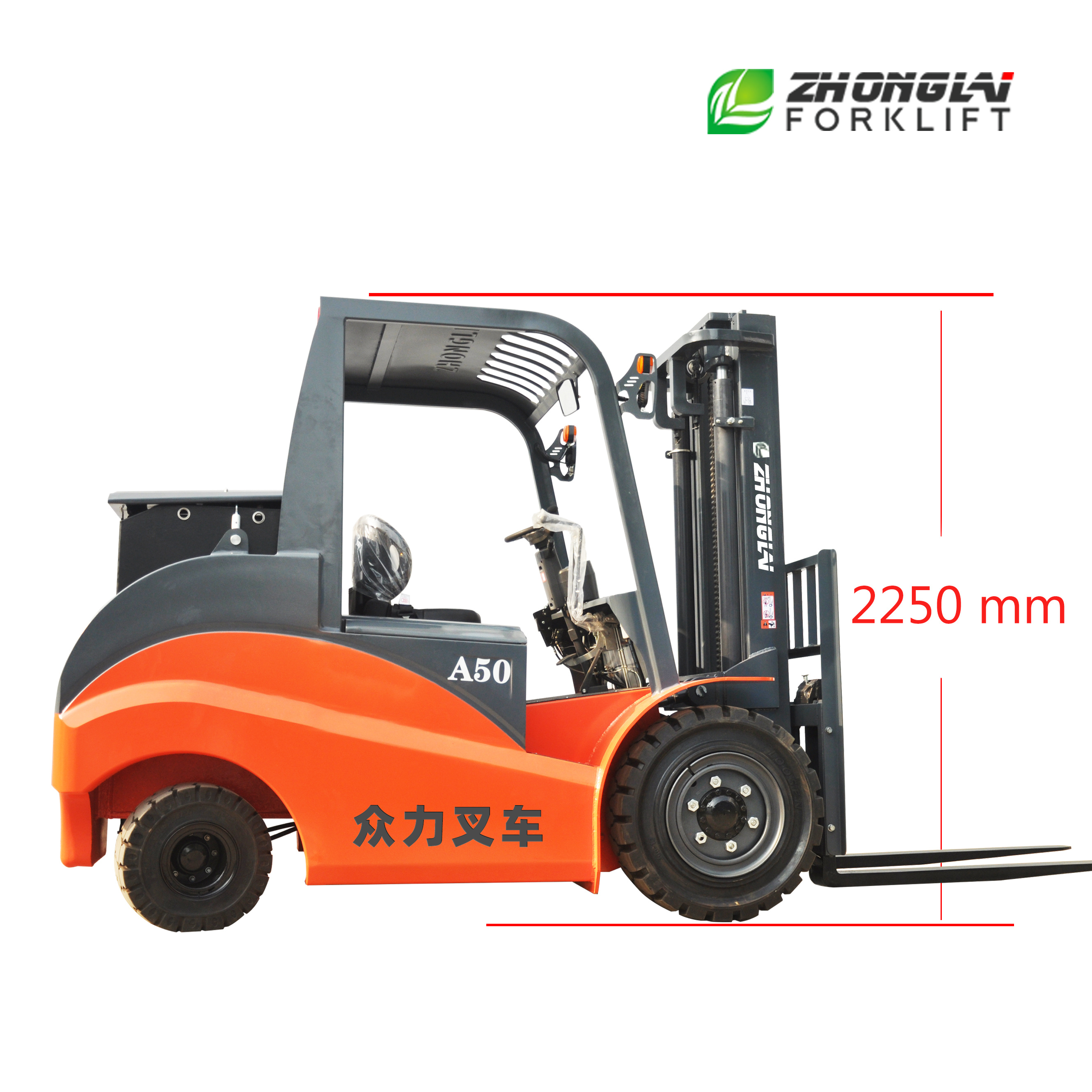
Essential Guide to Electric Portable Forklift Safety: Crucial Insights for Safe Operation
Table of Contents
- 1. Introduction to Electric Portable Forklifts
- 2. The Importance of Safety in Forklift Operations
- 3. Common Hazards Associated with Electric Portable Forklifts
- 4. Understanding Safety Regulations and Standards
- 5. Essential Pre-Operation Safety Checks
- 6. Safe Operating Practices for Electric Portable Forklifts
- 7. Maintenance Tips for Enhancing Forklift Safety
- 8. Training and Certification for Forklift Operators
- 9. Frequently Asked Questions
- 10. Conclusion
1. Introduction to Electric Portable Forklifts
Electric portable forklifts are essential tools in various industries, offering significant advantages over their gas and diesel counterparts. These forklifts are lightweight, easy to maneuver, and typically quieter, making them ideal for indoor usage where noise and emissions are a concern. As their popularity continues to rise, understanding the safety measures associated with their operation becomes crucial for ensuring workplace safety and productivity.
2. The Importance of Safety in Forklift Operations
Safety in forklift operations is paramount. Forklifts are involved in numerous workplace accidents each year, often resulting in serious injuries or fatalities. By prioritizing safety, businesses can not only protect their employees but also reduce costs associated with workplace injuries, increase operational efficiency, and comply with legal regulations. A culture of safety fosters a positive work environment and enhances employee morale.
3. Common Hazards Associated with Electric Portable Forklifts
Recognizing potential hazards is the first step in preventing accidents. Some of the most common hazards associated with electric portable forklifts include:
3.1 Overloading the Forklift
Overloading can cause tipping, leading to dangerous accidents. Always adhere to the manufacturer's load capacity guidelines.
3.2 Poor Visibility
Limited visibility can result in accidents. Operators should ensure that their view is unobstructed and use mirrors if necessary.
3.3 Inadequate Training
Operators must be adequately trained to handle forklifts safely. Lack of training increases the risk of accidents.
3.4 Uneven Surfaces
Operating on uneven surfaces can lead to instability. It's vital to assess work areas for potential hazards before operating a forklift.
4. Understanding Safety Regulations and Standards
Familiarity with safety regulations is crucial for compliance and safety assurance. In many regions, OSHA (Occupational Safety and Health Administration) provides guidelines that govern forklift operations. These guidelines cover various aspects, including:
4.1 Operator Training Requirements
Employers must provide proper training for all operators, ensuring they understand the risks and safe operation practices.
4.2 Equipment Safety Standards
Forklifts must meet specific safety standards as outlined by organizations like ANSI and ISO, ensuring they are built with safety in mind.
4.3 Regular Inspections and Maintenance
Routine inspections and maintenance are mandated to ensure forklifts are in proper working order.
5. Essential Pre-Operation Safety Checks
Before operating an electric portable forklift, it is vital to conduct thorough pre-operation checks. This ensures that the equipment is safe to use and functioning correctly. Key checks include:
5.1 Visual Inspection
Inspect the forklift for visible signs of damage or wear. Check the forks, mast, and hydraulic systems.
5.2 Battery Check
Ensure that the battery is fully charged and free from leaks. A faulty battery can lead to operational issues.
5.3 Controls and Indicators
Test all controls and indicators to ensure they are functioning properly. This includes lights, horn, and warning signals.
5.4 Fluid Levels
Check fluid levels, including oil and hydraulic fluid, to prevent operational failures.
6. Safe Operating Practices for Electric Portable Forklifts
Once you’ve conducted your pre-operation checks, adhering to safe operating practices is essential. Here are some crucial tips:
6.1 Maintain a Safe Speed
Driving at a safe speed reduces the risk of accidents. Operators should always adjust their speed based on the environment.
6.2 Use Proper Lifting Techniques
When lifting and moving loads, ensure that the load is stable and the forks are correctly positioned under the load.
6.3 Communicate Effectively
Use clear signals and communication to inform other workers of your movements. This helps prevent collisions.
6.4 Avoid Distracted Operation
Operators should remain focused on their tasks and avoid distractions such as mobile phones or conversations while driving.
7. Maintenance Tips for Enhancing Forklift Safety
Regular maintenance is fundamental in ensuring a forklift’s optimal performance and safety. Here are some tips to keep in mind:
7.1 Schedule Routine Maintenance
Establish a maintenance schedule based on the manufacturer’s recommendations and adhere to it strictly.
7.2 Replace Worn Parts Promptly
Address wear and tear immediately. Replace parts like tires, brakes, and forks as needed to maintain safety.
7.3 Keep the Forklift Clean
Regular cleaning prevents the buildup of debris, which can hinder operation and create hazards.
7.4 Document Maintenance Activities
Keep a log of all maintenance activities to track the condition of the forklift and ensure compliance with regulations.
8. Training and Certification for Forklift Operators
Proper training and certification are indispensable in ensuring that all forklift operators are well-equipped to handle the machinery safely.
8.1 Comprehensive Training Programs
Implement thorough training programs that cover the operation, safety standards, and emergency procedures associated with electric portable forklifts.
8.2 Hands-On Training
Provide hands-on training opportunities to allow operators to practice in a controlled environment.
8.3 Continuous Learning Opportunities
Encourage ongoing education and training refreshers to keep operators updated on safety practices and regulations.
9. Frequently Asked Questions
9.1 What is an electric portable forklift?
An electric portable forklift is a compact, battery-operated lifting vehicle designed for maneuvering in tight spaces, commonly used for lifting and transporting materials.
9.2 How often should forklifts be inspected?
Forklifts should be inspected before each use and undergo routine maintenance as per the manufacturer's recommendations, typically every 3 to 6 months.
9.3 What are the common causes of forklift accidents?
Common causes include operator error, inadequate training, mechanical failure, and unsafe work environments.
9.4 Is training mandatory for forklift operators?
Yes, training is mandatory. OSHA requires that all forklift operators be properly trained and certified.
9.5 What should I do in case of an emergency while operating a forklift?
In case of an emergency, operators should remain calm, follow emergency procedures, and alert nearby personnel to ensure safety.
10. Conclusion
In conclusion, safety in electric portable forklift operations is non-negotiable. By understanding the potential hazards, adhering to regulations, conducting thorough pre-operation checks, and maintaining the forklifts, we can significantly reduce the risk of accidents. Proper training and a commitment to safe practices create a culture of safety that benefits everyone involved. By prioritizing forklift safety, we ensure not only compliance with regulations but also the protection of our most valuable asset—our employees.
Contact Us

Professional forklift manufacturer
Products Hotline:+86-19203299111
WhatsApp:+8613582499666
Email:sales@good-forklift.com
Wechat:+86-19203299111
Mobile website