

Understanding the Advantages of Electric 3-Ton Forklifts in Modern Warehousing
Oct 13,2025
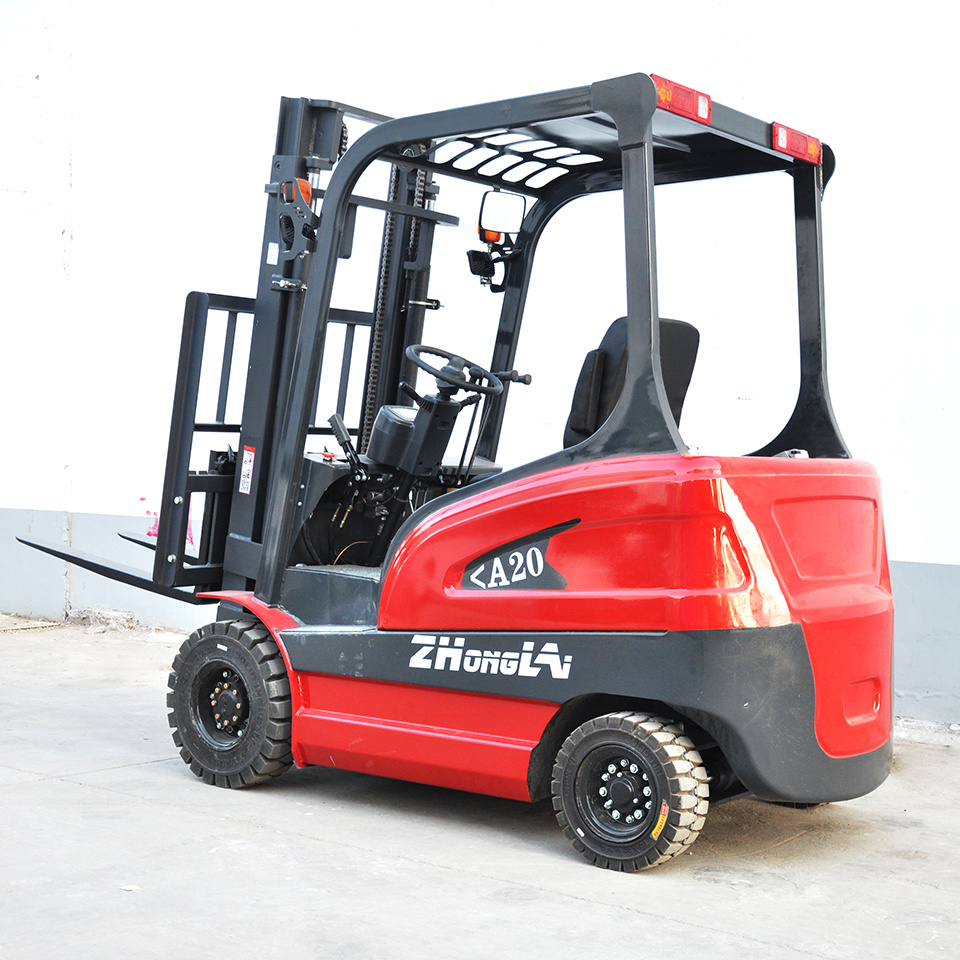
In the transportation and warehousing sector, the choice of equipment significantly impacts operational efficiency, safety, and environmental sustainability. Electric forklifts, particularly the 3-ton models, have emerged as a popular choice for many businesses, offering a blend of power, agility, and eco-friendliness.
Electric 3-ton forklifts operate using an electric motor and a battery system, which eliminates the need for fossil fuels, thus reducing carbon emissions and contributing to a cleaner environment. This is increasingly important as industries strive to meet stringent environmental regulations and consumer expectations for sustainability. Electric models can be used both indoors and outdoors, making them versatile for various applications, such as loading docks, warehouses, and even outdoor storage areas.
One of the primary advantages of electric 3-ton forklifts is their lower operating costs. Because they require less maintenance compared to their internal combustion counterparts, businesses can save significantly on repair and service expenses. Electric motors have fewer moving parts, which translates into less wear and tear over time. Additionally, the cost of electricity is generally lower than that of gasoline or diesel, further enhancing the financial benefits of adopting electric forklifts.
In terms of performance, electric 3-ton forklifts are equipped with advanced technology that ensures efficient operation. Many models feature regenerative braking systems, which capture energy during deceleration and convert it back into usable power, extending battery life and reducing downtime for charging. Modern electric forklifts also offer enhanced visibility and ergonomic designs, which improve operator comfort and safety, leading to increased productivity.
Battery technology has significantly advanced in recent years, with lithium-ion batteries becoming increasingly common in electric forklifts. These batteries offer faster charging times and longer lifespans, allowing for more flexibility in operational schedules. Businesses can implement opportunity charging, where forklifts are charged during short breaks, thereby maximizing uptime and efficiency.
Furthermore, as industries continue to embrace automation and data analytics, electric 3-ton forklifts are being integrated with smart technology. This includes telematics systems that provide real-time data on performance metrics, battery health, and maintenance needs. Such insights empower fleet managers to optimize their operations, reduce costs, and enhance overall productivity.
In summary, electric 3-ton forklifts represent a forward-thinking solution for businesses in the transportation and warehousing sectors. Their combination of efficiency, cost-effectiveness, and environmental sustainability makes them a viable choice for companies looking to modernize their material handling operations. Adopting electric forklifts not only helps in achieving operational goals but also positions businesses as responsible players in the fight against climate change.
Electric 3-ton forklifts operate using an electric motor and a battery system, which eliminates the need for fossil fuels, thus reducing carbon emissions and contributing to a cleaner environment. This is increasingly important as industries strive to meet stringent environmental regulations and consumer expectations for sustainability. Electric models can be used both indoors and outdoors, making them versatile for various applications, such as loading docks, warehouses, and even outdoor storage areas.
One of the primary advantages of electric 3-ton forklifts is their lower operating costs. Because they require less maintenance compared to their internal combustion counterparts, businesses can save significantly on repair and service expenses. Electric motors have fewer moving parts, which translates into less wear and tear over time. Additionally, the cost of electricity is generally lower than that of gasoline or diesel, further enhancing the financial benefits of adopting electric forklifts.
In terms of performance, electric 3-ton forklifts are equipped with advanced technology that ensures efficient operation. Many models feature regenerative braking systems, which capture energy during deceleration and convert it back into usable power, extending battery life and reducing downtime for charging. Modern electric forklifts also offer enhanced visibility and ergonomic designs, which improve operator comfort and safety, leading to increased productivity.
Battery technology has significantly advanced in recent years, with lithium-ion batteries becoming increasingly common in electric forklifts. These batteries offer faster charging times and longer lifespans, allowing for more flexibility in operational schedules. Businesses can implement opportunity charging, where forklifts are charged during short breaks, thereby maximizing uptime and efficiency.
Furthermore, as industries continue to embrace automation and data analytics, electric 3-ton forklifts are being integrated with smart technology. This includes telematics systems that provide real-time data on performance metrics, battery health, and maintenance needs. Such insights empower fleet managers to optimize their operations, reduce costs, and enhance overall productivity.
In summary, electric 3-ton forklifts represent a forward-thinking solution for businesses in the transportation and warehousing sectors. Their combination of efficiency, cost-effectiveness, and environmental sustainability makes them a viable choice for companies looking to modernize their material handling operations. Adopting electric forklifts not only helps in achieving operational goals but also positions businesses as responsible players in the fight against climate change.
Contact Us

Professional forklift manufacturer
Products Hotline:+86-19203299111
WhatsApp:+8613582499666
Email:sales@good-forklift.com
Wechat:+86-19203299111
Mobile website