

Electric Forklift Stackers: Enhancing Ergonomics in the Workplace
Oct 14,2025
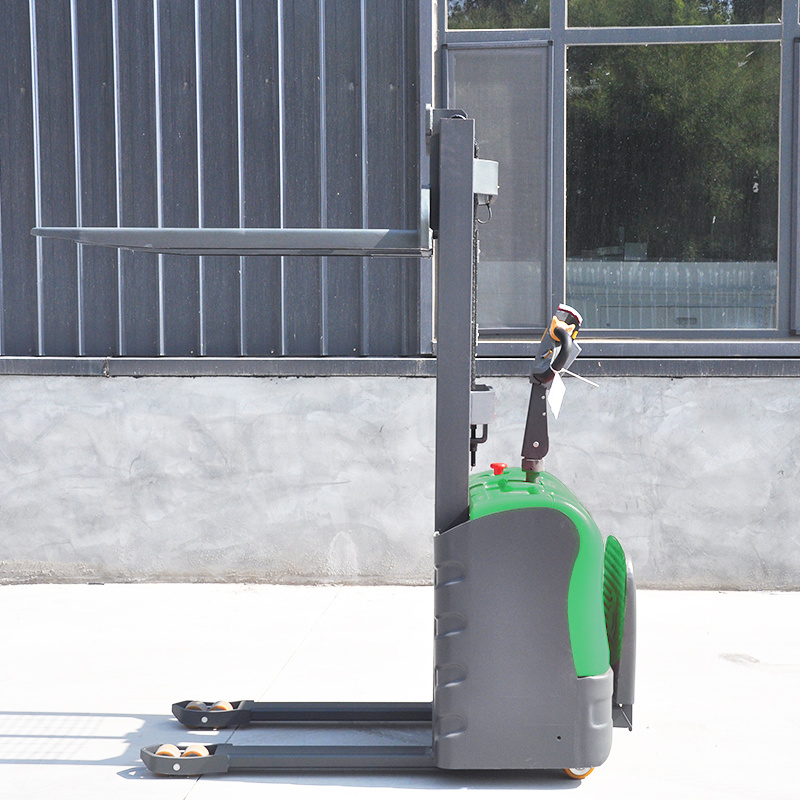
Electric Forklift Stackers: Enhancing Ergonomics in the Workplace
Table of Contents
- Introduction to Electric Forklift Stackers
- The Benefits of Using Electric Forklift Stackers
- Understanding Ergonomics in Material Handling
- Key Features of Electric Forklift Stackers
- Types of Electric Forklift Stackers
- Implementing Electric Forklift Stackers in Your Workplace
- Training Employees for Optimal Use
- Maintenance Tips for Longevity
- Conclusion
- Frequently Asked Questions
Introduction to Electric Forklift Stackers
In today's fast-paced industrial environment, efficiency and safety are paramount. Electric forklift stackers are at the forefront of enhancing workplace ergonomics, allowing for smoother operations and healthier work environments. These machines are designed to handle heavy loads while minimizing the physical strain on operators. This article will explore the significant advantages of electric forklift stackers, their ergonomic features, and how to implement them effectively in your workplace.
The Benefits of Using Electric Forklift Stackers
**Electric forklift stackers offer numerous benefits** that can drastically improve workplace conditions and operational efficiency. Here are some key advantages:
1. Enhanced Safety
Safety is a critical concern in any material handling environment. Electric forklift stackers are equipped with features such as automatic braking systems and stability controls that reduce the risk of accidents. Operators can focus on their tasks without the added stress of potential hazards.
2. Increased Productivity
Electric forklift stackers can lift and move heavy loads quickly and efficiently. This capability reduces the time employees spend on manual handling, allowing them to focus on other critical tasks. Increased productivity translates to improved workflow and higher output.
3. Ergonomic Design
The design of electric forklift stackers prioritizes operator comfort. Features like adjustable handles, cushioned seating, and intuitive controls reduce fatigue and discomfort during operation, leading to better performance and job satisfaction.
4. Environmentally Friendly
Since electric forklift stackers run on batteries, they produce zero emissions, making them an eco-friendly choice for businesses looking to reduce their carbon footprint. This aligns with sustainability goals and helps improve corporate social responsibility.
5. Cost-Effective Solutions
Though the initial investment in electric forklift stackers may be higher compared to traditional forklifts, the long-term savings in fuel costs, maintenance, and improved productivity make them a cost-effective choice.
Understanding Ergonomics in Material Handling
**Ergonomics is the science of designing the workspace and tools to fit the user’s needs.** In material handling, this means creating an environment where equipment and processes reduce strain and enhance performance. Poor ergonomics can lead to workplace injuries, decreased productivity, and higher turnover rates.
1. Common Workplace Injuries
Injuries such as repetitive strain injuries (RSIs), back problems, and musculoskeletal disorders (MSDs) are prevalent in environments where heavy lifting and manual handling occur. Implementing ergonomic solutions like electric forklift stackers can significantly lower the risk of these injuries.
2. The Role of Electric Forklift Stackers in Ergonomics
Electric forklift stackers are designed to minimize the physical effort required to move materials. Their ability to lift loads to various heights without requiring operators to exert excessive force is a key ergonomic benefit.
Key Features of Electric Forklift Stackers
When considering electric forklift stackers, certain features stand out as essential for enhancing ergonomics and operational efficiency:
1. Adjustable Controls
**Adjustable controls** ensure operators can easily reach and operate the machinery without straining. This flexibility caters to different operator heights and preferences.
2. User-Friendly Interfaces
Modern electric forklift stackers come with intuitive control panels, making it easier for operators to understand and manage the equipment. This simplicity reduces learning curves and enhances efficiency.
3. Stability Features
Many electric stackers include stability features that help prevent tipping when navigating tight spaces or uneven surfaces. This added safety measure builds confidence in operators and enhances overall workplace safety.
4. Compact Design
The compact design of electric forklift stackers allows them to maneuver easily in confined spaces. This versatility is particularly advantageous in warehouses and retail environments with limited room for movement.
5. Advanced Battery Technology
Electric stackers utilize advanced battery technology that allows for extended operation times and faster recharging. This efficiency minimizes downtime and maximizes productivity.
Types of Electric Forklift Stackers
Understanding the different types of electric forklift stackers available helps businesses choose the right equipment for their specific needs:
1. Walkie Stackers
Walkie stackers are designed for operators to walk behind while controlling the machine. These are ideal for environments where operators need to navigate more significant spaces.
2. Rider Stackers
Rider stackers allow operators to ride on the equipment, providing increased comfort and efficiency during use. This type is suitable for tasks that require longer durations of operation.
3. Reach Stackers
Reach stackers can extend their forks to reach higher shelves, making them perfect for warehouses with vertical storage solutions. Their unique design maximizes space utilization.
4. Pallet Stackers
Pallet stackers are specifically designed for handling pallets. They are essential in environments where pallets are the primary form of transportation for goods.
Implementing Electric Forklift Stackers in Your Workplace
Transitioning to electric forklift stackers requires careful planning and implementation to maximize the benefits they offer:
1. Assessing Your Needs
Evaluate the specific needs of your workplace, including load capacities, storage heights, and the types of materials you handle. This assessment will guide you in selecting the right electric stackers.
2. Choosing the Right Equipment
Consider the various types and features of electric forklift stackers available in the market. Selecting equipment that meets your operational requirements will ensure efficiency and safety.
3. Infrastructure Considerations
Ensure that your workplace infrastructure supports the use of electric stackers. This may involve creating designated pathways, ensuring adequate power supply for charging, and optimizing storage layouts.
4. Safety Protocols
Implementing safety protocols is crucial. Develop standard operating procedures (SOPs) for using electric stackers to ensure compliant operation and reduce the risk of accidents.
Training Employees for Optimal Use
Proper training is essential to maximize the benefits of electric forklift stackers. A well-structured training program should include:
1. Comprehensive Training Programs
Offer training sessions that cover both theoretical knowledge and hands-on experiences with electric stackers. This dual approach helps ensure operators are well-prepared to use the equipment safely and effectively.
2. Safety Certifications
Ensure that operators are certified in safe forklift operation. Certification programs provide valuable knowledge and skills that enhance workplace safety and compliance.
3. Ongoing Education
Implement ongoing training programs to keep employees updated on best practices, new technologies, and safety protocols. Continuous education helps maintain a high level of operational efficiency.
Maintenance Tips for Longevity
Regular maintenance is vital for ensuring the longevity and reliability of electric forklift stackers. Here are some essential maintenance tips:
1. Routine Inspections
Conduct regular inspections to identify any potential issues before they become significant problems. This proactive approach helps maintain equipment performance and safety.
2. Battery Care
Proper battery maintenance is crucial for electric stackers. Ensure that batteries are charged correctly, and keep terminals clean to prevent corrosion.
3. Lubrication of Moving Parts
Regularly lubricate moving parts to reduce wear and tear. Proper lubrication minimizes friction and helps maintain optimal performance.
4. Follow Manufacturer Guidelines
Adhere to the manufacturer's maintenance guidelines and schedules. These specifications are designed to optimize the performance and lifespan of your electric stackers.
Conclusion
Electric forklift stackers represent a significant advancement in improving workplace ergonomics and operational efficiency. By investing in these machines, businesses can enhance safety, productivity, and employee satisfaction while reducing operational costs. Implementing electric stackers requires thoughtful planning, proper training, and ongoing maintenance to maximize their benefits. As industries continue to evolve, integrating ergonomic solutions like electric forklift stackers will be crucial for success in the competitive landscape of material handling.
Frequently Asked Questions
1. What are the main advantages of electric forklift stackers over traditional forklifts?
Electric forklift stackers offer enhanced safety features, increased productivity, lower operational costs, and reduced environmental impact compared to traditional forklifts.
2. How do I choose the right electric forklift stacker for my business?
Assess your operational needs, considering factors such as load capacity, storage height, and workspace layout. This evaluation will guide you in selecting the appropriate stacker type.
3. What kind of training do operators need for electric forklift stackers?
Operators should undergo comprehensive training that includes both theoretical knowledge and practical hands-on experience. Certification in safe forklift operation is also essential.
4. How often should electric forklift stackers be maintained?
Regular maintenance should be conducted weekly, with more comprehensive inspections performed monthly or quarterly, following the manufacturer's guidelines for optimal performance.
5. Are electric forklift stackers suitable for outdoor use?
While electric forklift stackers are primarily designed for indoor use, some models are equipped to handle outdoor conditions. It's essential to verify their suitability based on environmental factors.
Contact Us

Professional forklift manufacturer
Products Hotline:+86-19203299111
WhatsApp:+8613582499666
Email:sales@good-forklift.com
Wechat:+86-19203299111
Mobile website