

Comprehensive Guide on Training Your Staff for Electric Portable Forklift Usage
Oct 12,2025
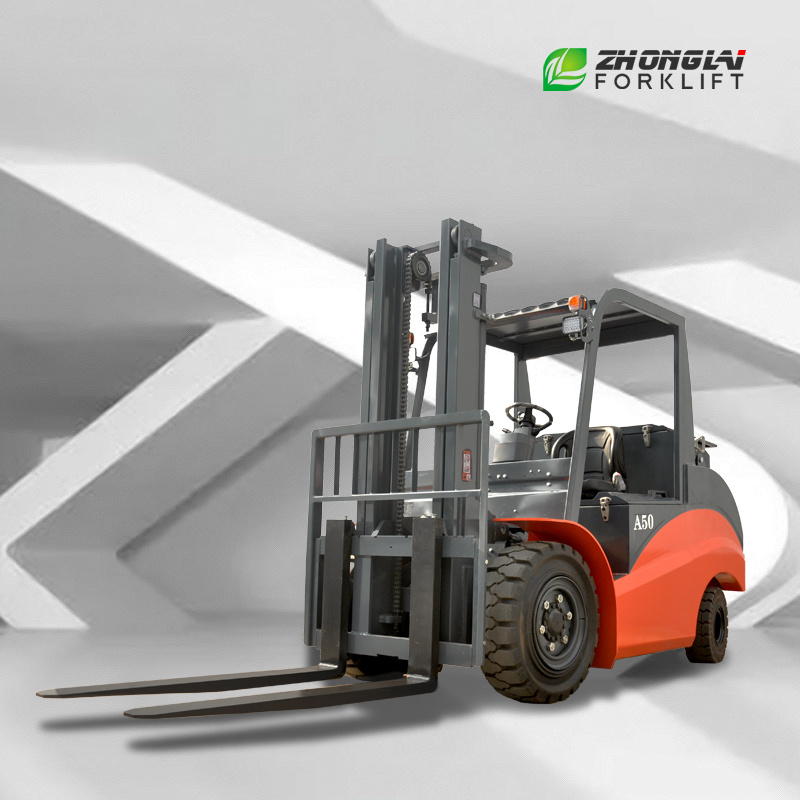
How to Train Your Staff on Electric Portable Forklift Usage
Introduction to Electric Portable Forklifts
Electric portable forklifts have revolutionized the logistics and warehousing sectors by providing an efficient way to handle materials. Understanding how to operate these machines safely and effectively is crucial for staff. Proper training not only enhances productivity but also promotes safety, lowering the risk of accidents.
The Importance of Forklift Training
Training is essential for several reasons:
- **Safety Compliance:** Most regions have stringent regulations regarding forklift operation. Ensuring your staff is trained helps avoid legal repercussions.
- **Increased Efficiency:** Trained operators are quicker and more efficient in their tasks, leading to improved overall productivity.
- **Reduced Risk of Accidents:** Proper training significantly reduces the chances of workplace accidents, thus protecting both employees and equipment.
- **Employee Confidence:** A well-trained operator feels more confident in their abilities, which reflects in their work performance.
Understanding Electric Portable Forklift Components
To train staff effectively, it's vital to familiarize them with the components of electric portable forklifts.
Key Components of Electric Portable Forklifts
1. **Mast:** The vertical assembly that raises and lowers the load.
2. **Forks:** The prongs that lift and carry the load.
3. **Battery:** Powers the electric forklift, necessitating proper maintenance and charging practices.
4. **Controller:** Regulates the speed and direction of the forklift.
5. **Steering Mechanism:** Allows operators to maneuver the forklift safely within tight spaces.
6. **Braking System:** Essential for stopping and controlling the forklift smoothly.
Creating an Effective Training Program
Establishing a structured training program is essential for effective learning. Here are the key components:
1. Pre-Training Assessment
Assessing the current skills and knowledge of your staff can help tailor the training program to their needs. This assessment could be in the form of a quiz or practical demonstration.
2. Classroom Training
Conducting classroom-based training provides theoretical knowledge about:
- Safety regulations
- Forklift components
- Load handling techniques
- Emergency procedures
3. Hands-On Training
Practical training is crucial in reinforcing what is learned in the classroom. Ensure that trainees get ample time to operate the forklift under supervision. Aspects to cover include:
- Proper starting and stopping procedures
- Maneuvering techniques
- Load lifting and lowering techniques
- Navigating around obstacles
4. Safety Guidelines and Best Practices
Emphasizing safety is paramount. Key safety practices include:
- Wearing appropriate personal protective equipment (PPE) like helmets, gloves, and safety shoes.
- Conducting pre-operation inspections to identify any potential issues with the forklift.
- Training on load limits to prevent tipping and other hazards.
Evaluating Training Effectiveness
To ensure the training program is effective, implement evaluations both during and after the training process.
1. Practical Evaluations
Trainees should demonstrate their ability to operate the forklift safely and efficiently through practical exams.
2. Written Assessments
Administer written tests to evaluate understanding of safety protocols and operational techniques.
3. Continuous Monitoring
Post-training, monitor staff's performance regularly. This can be achieved through random evaluations and feedback sessions.
Safety Regulations and Compliance Standards
Understanding local regulations is crucial for maintaining compliance. Familiarize your staff with:
- OSHA regulations and standards for forklift operation.
- Local laws governing the use of electric portable forklifts.
- Manufacturer guidelines for specific forklift models.
Implementing Refresher Courses
Regular refresher courses ensure that operators remain updated on best practices and compliance standards. These should be conducted annually or whenever new equipment is introduced.
Benefits of Refresher Courses
- Addresses skill decay over time.
- Introduces updates to regulations or safety practices.
- Reinforces the importance of safe operation.
Common Mistakes to Avoid in Forklift Training
Avoiding common pitfalls can enhance the effectiveness of your training program. Some mistakes include:
- Rushing through the training process, which can lead to gaps in knowledge.
- Neglecting the importance of practical training in favor of theory.
- Failing to incorporate evaluations to measure effectiveness.
- Not providing adequate training for different types of forklifts.
Frequently Asked Questions (FAQs)
1. How long does electric forklift training take?
Training duration can vary, but typically it ranges from 2-5 days, depending on the program's depth and the trainees' prior knowledge.
2. Is certification required for forklift operators?
Yes, most countries and states require forklift operators to be certified after completing a training program that meets regulatory standards.
3. What are the penalties for untrained forklift operators?
Operating a forklift without proper training can result in fines, accidents, and increased insurance premiums, not to mention potential harm to employees.
4. Can training be conducted online?
While some theoretical components can be taught online, hands-on training is essential for skill acquisition. A blended approach is often the most effective.
5. Are there specific safety gear requirements for forklift operators?
Yes, operators should wear hard hats, safety shoes, gloves, and high-visibility vests as part of their personal protective equipment.
Conclusion
Training your staff on electric portable forklift usage is not just a regulatory requirement; it is a vital investment in your organization's safety and efficiency. By following a structured training program that includes both theoretical and practical components, you can ensure that your employees are well-equipped to handle forklifts safely. Continuous education and monitoring will further enhance their skills, making your workplace safer and more productive. Investing in thorough training will yield long-term benefits, promoting a culture of safety and operational excellence in your organization.
Contact Us

Professional forklift manufacturer
Products Hotline:+86-19203299111
WhatsApp:+8613582499666
Email:sales@good-forklift.com
Wechat:+86-19203299111
Mobile website