

Enhancing Safety Standards: The Role of Electric Forklifts in Warehouse Management
Jan 18,2025
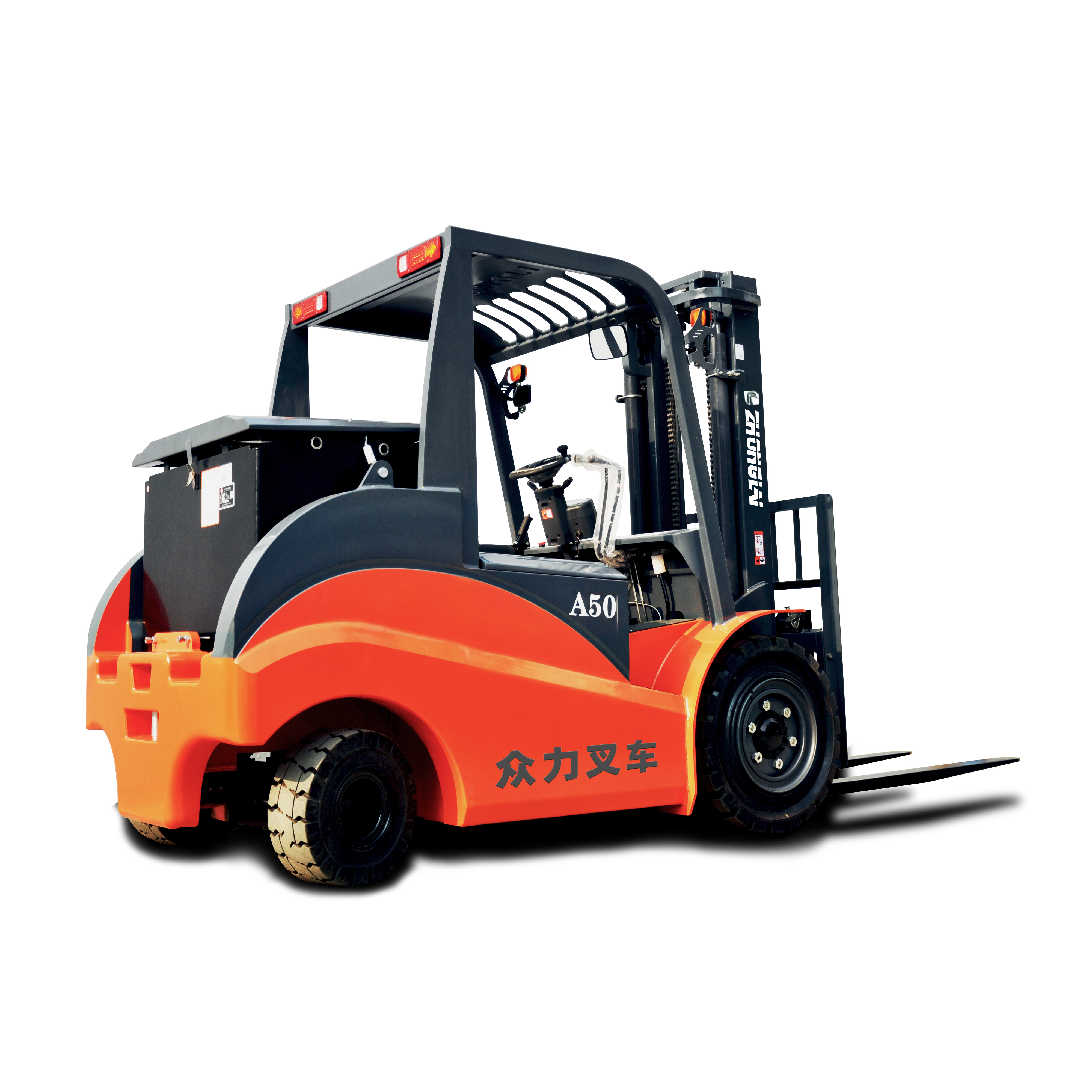
Enhancing Safety Standards: The Role of Electric Forklifts in Warehouse Management
Table of Contents
- 1. Introduction to Electric Forklifts in Warehouse Operations
- 2. Importance of Safety Standards in Warehousing
- 3. Benefits of Electric Forklifts Over Traditional Forklifts
- 4. Safety Features of Electric Forklifts
- 5. Best Practices for Electric Forklift Safety
- 6. Training and Certification for Electric Forklift Operators
- 7. Real-World Case Studies: Electric Forklifts Improving Safety
- 8. The Future of Electric Forklifts in Warehouse Management
- 9. Frequently Asked Questions
- 10. Conclusion
1. Introduction to Electric Forklifts in Warehouse Operations
Electric forklifts have emerged as a pivotal element in modern warehouse management. Their proliferation signals a shift towards more sustainable, efficient, and safer operational methodologies. **These advanced machines** not only enhance productivity but also address critical safety concerns endemic to the warehousing environment. As the logistics industry evolves, so does the necessity for vehicles that can operate efficiently while minimizing risks to human operators.
2. Importance of Safety Standards in Warehousing
Safety standards in warehousing are not merely guidelines; they are essential protocols designed to protect workers and optimize operational efficiency. **A safe warehouse environment** translates into reduced accidents, lower liability costs, and improved employee morale. Compliance with these standards is crucial for any enterprise aiming to maintain a safe working atmosphere. Implementing electric forklifts can significantly contribute to these safety measures.
2.1 Benefits of Adhering to Safety Standards
When warehouses adhere to stringent safety standards, they benefit in several ways:
- **Decreased Accident Rates**: A focus on safety minimizes the likelihood of accidents and injuries.
- **Enhanced Productivity**: Safe environments allow workers to perform tasks more efficiently.
- **Increased Employee Satisfaction**: Workers are more likely to stay in an organization where they feel safe.
- **Regulatory Compliance**: Meeting safety standards helps avoid fines and legal issues.
3. Benefits of Electric Forklifts Over Traditional Forklifts
Electric forklifts are becoming increasingly popular compared to their internal combustion counterparts due to several compelling advantages.
3.1 Environmental Impact
Electric forklifts produce zero emissions, making them more suitable for indoor environments. This aligns with the growing emphasis on sustainability in business operations.
3.2 Noise Reduction
Unlike traditional forklifts, electric models operate quietly, which is beneficial in reducing noise pollution in warehouses, thereby improving the working conditions for employees.
3.3 Lower Operating Costs
Electric forklifts generally have lower operating costs over time due to reduced fuel expenses, lower maintenance needs, and longer lifespans.
3.4 Enhanced Maneuverability
Electric forklifts are typically more compact and agile, making them ideal for navigating tight spaces in crowded warehouse environments.
4. Safety Features of Electric Forklifts
Electric forklifts come equipped with various safety features designed to protect operators and other personnel in the warehouse.
4.1 Stability Systems
Many electric forklifts incorporate advanced stability systems that prevent tipping and ensure safe operation on uneven surfaces.
4.2 Operator Presence Sensors
These sensors automatically shut down the forklift if the operator is not in the proper position, minimizing the risk of accidents due to operator error.
4.3 Automatic Braking Systems
Electric forklifts often feature automatic braking mechanisms that engage when obstacles are detected, providing an additional layer of safety.
4.4 Ergonomic Design
The ergonomic design of electric forklifts promotes ease of use, reducing operator fatigue and enhancing safety during prolonged operation.
5. Best Practices for Electric Forklift Safety
To maximize safety when using electric forklifts, several best practices should be implemented.
5.1 Regular Maintenance Checks
Routine maintenance ensures that forklifts are in optimal working condition, minimizing the risk of mechanical failures that could lead to accidents.
5.2 Safe Operating Procedures
Establishing and implementing clear operating procedures is essential. Employees should be trained to follow these guidelines diligently.
5.3 Proper Load Management
Understanding load limits and proper load handling techniques is crucial to prevent tipping and ensure stability during transport.
5.4 Designated Walking Paths
Creating designated pathways for pedestrians can significantly reduce the likelihood of accidents between forklifts and warehouse workers.
6. Training and Certification for Electric Forklift Operators
Training is an indispensable component of forklift safety. Proper certification programs equip operators with the knowledge and skills needed to operate electric forklifts safely.
6.1 Importance of Training
A well-trained workforce is essential for minimizing accidents and ensuring compliance with safety standards. Training should cover operational skills, safety protocols, and emergency procedures.
6.2 Certification Programs
Certification programs often include both classroom instruction and hands-on training, culminating in an evaluation to ensure operators are competent and compliant with regulations.
7. Real-World Case Studies: Electric Forklifts Improving Safety
Several companies have experienced significant safety improvements through the adoption of electric forklifts.
7.1 Case Study: Retail Distribution Center
A major retail distribution center switched to electric forklifts and saw a 30% reduction in accident rates within the first year. This shift not only enhanced safety but also improved operational efficiency.
7.2 Case Study: Manufacturing Facility
A manufacturing facility that implemented electric forklifts reported increased employee satisfaction and reduced turnover, attributing these changes to the improved safety and working conditions provided by modern electric vehicles.
8. The Future of Electric Forklifts in Warehouse Management
The future of electric forklifts is bright, driven by technological advancements and an increasing focus on sustainable practices.
8.1 Automation and Electric Forklifts
The integration of automation technologies, such as autonomous electric forklifts, is poised to further enhance safety and productivity within warehouses.
8.2 Sustainable Practices
As industries shift towards greener practices, electric forklifts will play a vital role in reducing carbon footprints and promoting sustainable warehouse operations.
9. Frequently Asked Questions
9.1 What is the main advantage of electric forklifts?
The main advantages include zero emissions, lower operating costs, and enhanced safety features compared to traditional internal combustion forklifts.
9.2 How often should electric forklifts be maintained?
Electric forklifts should undergo maintenance checks at least once a month, with more frequent inspections for high-use vehicles.
9.3 Are electric forklifts suitable for outdoor use?
While some electric forklifts are designed for outdoor use, they are primarily suited for indoor environments due to their lower durability on rough terrains.
9.4 What are the training requirements for operating electric forklifts?
Operators must undergo training that covers safety practices, operational skills, and certification to ensure compliance with regulations.
9.5 How can companies improve safety with electric forklifts?
By implementing regular training programs, establishing safe operating procedures, and conducting maintenance, companies can significantly enhance safety with electric forklifts.
10. Conclusion
Electric forklifts represent a significant advancement in warehouse management, particularly concerning safety standards. Their myriad benefits, coupled with advanced safety features and sustainability considerations, make them an indispensable asset within modern warehouses. By prioritizing training, maintenance, and compliance with safety standards, organizations can enhance their operational efficiency while safeguarding their workforce. As we move forward, embracing electric forklifts will not only improve safety metrics but will also contribute to a more sustainable and responsible warehousing industry.
Contact Us

Professional forklift manufacturer
Products Hotline:+86-19203299111
WhatsApp:+8613582499666
Email:sales@good-forklift.com
Wechat:+86-19203299111
Mobile website