

Exploring the Advantages of 2nd Ton Electric Forklifts in Modern Warehousing
Jan 17,2025
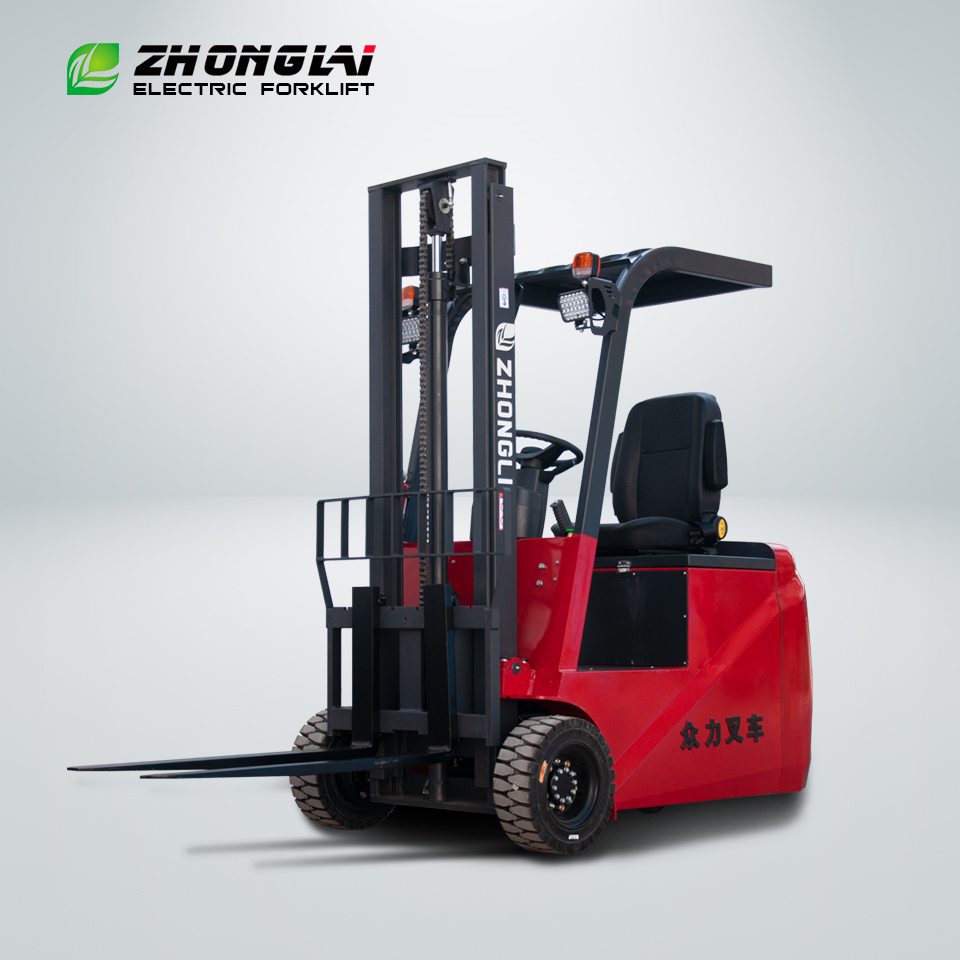
Electric forklifts have become an essential part of modern warehousing and logistics operations, particularly the 2nd ton electric forklift. These machines provide a versatile solution for handling a variety of materials and loads, making them a popular choice among industry professionals.
One of the primary advantages of the 2nd ton electric forklift is its efficiency. Electric forklifts typically have lower operating costs compared to their internal combustion counterparts. This is largely due to the reduced need for fuel and maintenance. With fewer moving parts, electric models often require less frequent servicing, which leads to downtime reduction in busy environments. The 2nd ton capacity is particularly suitable for medium-sized loads, enabling operators to efficiently manage stock within warehouses and distribution centers.
Another significant aspect is their environmental impact. Electric forklifts produce zero emissions during operation, making them an eco-friendly alternative. This aligns with the growing emphasis on sustainability within the industry, as many companies look to reduce their carbon footprint. Utilizing a 2nd ton electric forklift can contribute to a cleaner work environment, which is not only beneficial for the planet but can also enhance workplace safety and health for employees.
Moreover, the maneuverability of a 2nd ton electric forklift is another appealing factor. These forklifts are designed to operate in tighter spaces, which is a common requirement in warehouses filled with inventory. Their compact size allows for better navigation in aisles and around other equipment, thus optimizing the flow of materials. This enhanced maneuverability can result in improved overall efficiency in material handling operations.
Battery technology has also seen significant advancements. Modern electric forklifts typically use lithium-ion batteries, which offer longer operational times, faster charging capabilities, and extended lifespans compared to traditional lead-acid batteries. This means that a 2nd ton electric forklift can work longer on a single charge, maximizing productivity and reducing the frequency of downtime for charging.
Furthermore, the noise pollution associated with electric forklifts is considerably lower than that of diesel or propane-powered machines. This makes them an ideal choice for indoor operations where maintaining a quieter environment is crucial. Consequently, employees can work more comfortably without the disruptive sounds of traditional forklifts.
In conclusion, the 2nd ton electric forklift is a practical and efficient choice for companies involved in transportation and warehousing. Its operational efficiency, environmental benefits, maneuverability, advanced battery technology, and reduced noise levels make it an indispensable tool in modern logistics. By considering integrating these electric forklifts into your fleet, you can enhance productivity and contribute to a more sustainable future in your operations.
One of the primary advantages of the 2nd ton electric forklift is its efficiency. Electric forklifts typically have lower operating costs compared to their internal combustion counterparts. This is largely due to the reduced need for fuel and maintenance. With fewer moving parts, electric models often require less frequent servicing, which leads to downtime reduction in busy environments. The 2nd ton capacity is particularly suitable for medium-sized loads, enabling operators to efficiently manage stock within warehouses and distribution centers.
Another significant aspect is their environmental impact. Electric forklifts produce zero emissions during operation, making them an eco-friendly alternative. This aligns with the growing emphasis on sustainability within the industry, as many companies look to reduce their carbon footprint. Utilizing a 2nd ton electric forklift can contribute to a cleaner work environment, which is not only beneficial for the planet but can also enhance workplace safety and health for employees.
Moreover, the maneuverability of a 2nd ton electric forklift is another appealing factor. These forklifts are designed to operate in tighter spaces, which is a common requirement in warehouses filled with inventory. Their compact size allows for better navigation in aisles and around other equipment, thus optimizing the flow of materials. This enhanced maneuverability can result in improved overall efficiency in material handling operations.
Battery technology has also seen significant advancements. Modern electric forklifts typically use lithium-ion batteries, which offer longer operational times, faster charging capabilities, and extended lifespans compared to traditional lead-acid batteries. This means that a 2nd ton electric forklift can work longer on a single charge, maximizing productivity and reducing the frequency of downtime for charging.
Furthermore, the noise pollution associated with electric forklifts is considerably lower than that of diesel or propane-powered machines. This makes them an ideal choice for indoor operations where maintaining a quieter environment is crucial. Consequently, employees can work more comfortably without the disruptive sounds of traditional forklifts.
In conclusion, the 2nd ton electric forklift is a practical and efficient choice for companies involved in transportation and warehousing. Its operational efficiency, environmental benefits, maneuverability, advanced battery technology, and reduced noise levels make it an indispensable tool in modern logistics. By considering integrating these electric forklifts into your fleet, you can enhance productivity and contribute to a more sustainable future in your operations.
Contact Us

Professional forklift manufacturer
Products Hotline:+86-19203299111
WhatsApp:+8613582499666
Email:sales@good-forklift.com
Wechat:+86-19203299111
Mobile website