

Innovation at Its Best: How 2nd Ton Electric Forklifts Are Revolutionizing Material Handling
Jan 16,2025
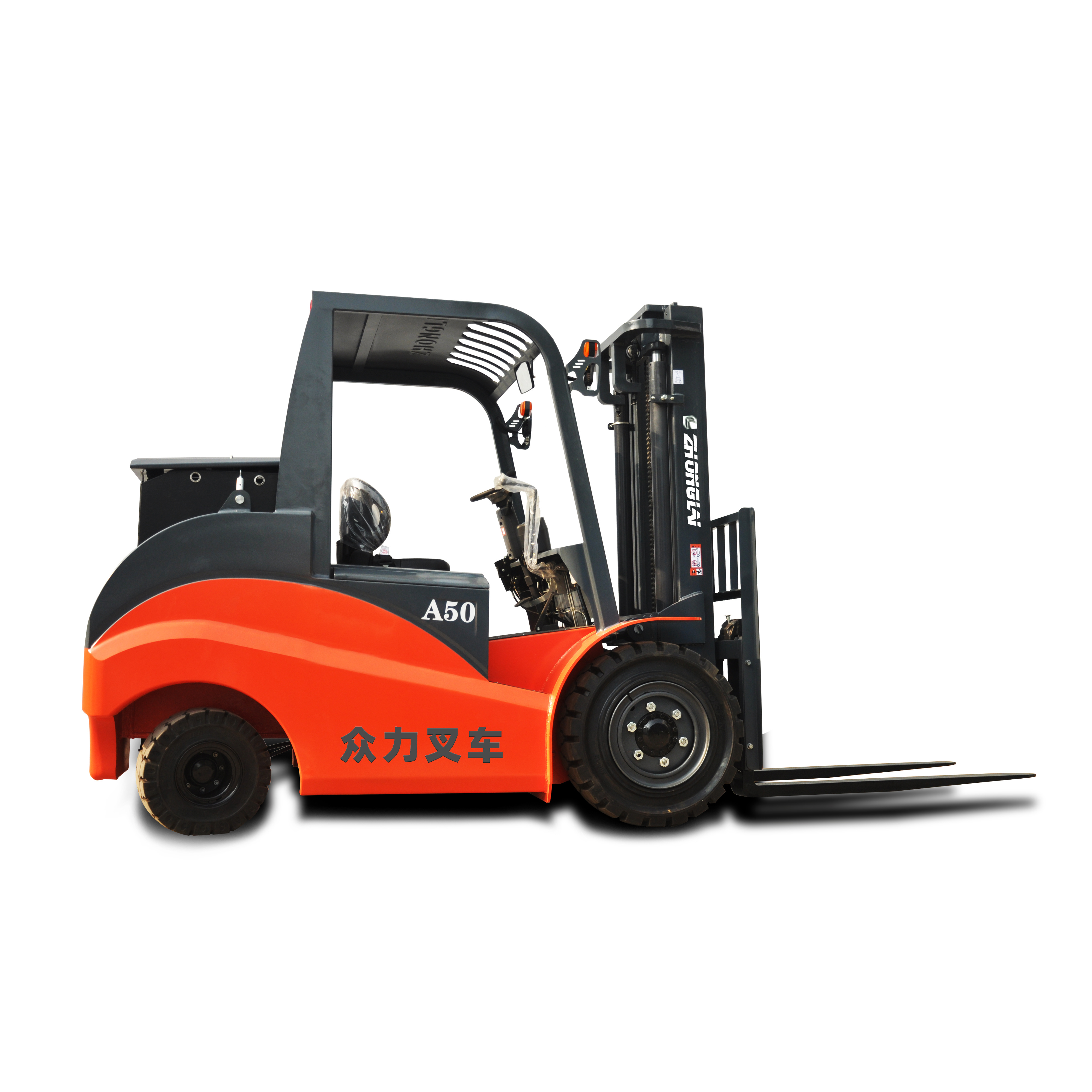
Innovation at Its Best: How 2nd Ton Electric Forklifts Are Revolutionizing Material Handling
Table of Contents
- Understanding 2nd Ton Electric Forklifts
- The Evolution of Electric Forklifts
- Key Features of 2nd Ton Electric Forklifts
- Advantages of Using 2nd Ton Electric Forklifts
- Environmental Impact of Electric Forklifts
- Technological Innovations in Electric Forklifts
- Choosing the Right 2nd Ton Electric Forklift
- Future Trends in Material Handling
- FAQs
Understanding 2nd Ton Electric Forklifts
2nd ton electric forklifts are specialized material handling equipment designed to lift and transport goods weighing up to 2,000 kilograms. These forklifts are not just a tool for moving products; they represent a significant advancement in the logistics and warehousing sectors. Their design emphasizes efficiency, safety, and sustainability, making them indispensable in various industries, including manufacturing, retail, and distribution.
The Evolution of Electric Forklifts
Electric forklifts have come a long way since their inception. Originally powered by lead-acid batteries, these machines have evolved to incorporate advanced power sources. Innovations such as lithium-ion batteries have revolutionized the efficiency and lifespan of electric forklifts. The shift from internal combustion engines to electric power not only enhances performance but also reduces operational costs.
Historical Context
The transition from manual handling to mechanized solutions began in the early 20th century. As industries grew, the need for efficient material handling systems became evident. Electric forklifts emerged as a solution, providing a cleaner and more efficient alternative to their gas-powered counterparts. This evolution reflects a broader trend toward sustainability and technological advancement in logistics.
Key Features of 2nd Ton Electric Forklifts
Modern 2nd ton electric forklifts are equipped with features that enhance their functionality and user experience. Key features include:
- Ergonomic Design: Operators benefit from comfortable seating and controls, reducing fatigue during prolonged use.
- Advanced Safety Systems: Features such as automatic braking, load sensors, and stability control ensure safe operation.
- Smart Technology: Integration with IoT (Internet of Things) allows for real-time monitoring of performance and diagnostics.
- Energy Efficiency: Enhanced battery management systems optimize energy consumption, extending operational time.
Advantages of Using 2nd Ton Electric Forklifts
The adoption of 2nd ton electric forklifts offers numerous benefits for businesses:
Cost-Effective Operation
With lower energy costs compared to diesel forklifts, companies can experience substantial savings. Electric forklifts also require less maintenance, further reducing operational expenses.
Enhanced Productivity
These forklifts are designed for high efficiency, allowing operators to move goods quickly and effectively. The improved battery technology enables longer operation times, minimizing downtime for recharging.
Environmental Benefits
Operating on electricity, these forklifts produce zero emissions, contributing to a cleaner work environment. This aligns with the growing emphasis on sustainability in business operations.
Environmental Impact of Electric Forklifts
The environmental impact of 2nd ton electric forklifts is significant. By replacing traditional fuel-based forklifts, businesses can:
- Reduce greenhouse gas emissions
- Minimize noise pollution in urban areas
- Support corporate social responsibility initiatives
Companies adopting electric forklifts demonstrate their commitment to sustainable practices, which can enhance their brand reputation and attract eco-conscious customers.
Technological Innovations in Electric Forklifts
Technological advancements play a crucial role in the evolution of electric forklifts. Notable innovations include:
Battery Technology
Modern electric forklifts utilize lithium-ion batteries that offer longer life cycles and faster charging capabilities. This advancement allows for greater flexibility in operation, as machines can be charged quickly during breaks, leading to increased productivity.
Automation and Robotics
The integration of automation and robotics into forklifts is a game-changer. Automated guided vehicles (AGVs) can operate independently, reducing the need for human operators and increasing safety in high-traffic warehouse environments.
IoT Connectivity
IoT technology enables real-time tracking of forklifts and inventory. This connectivity allows for predictive maintenance, helping companies avoid unexpected breakdowns and ensuring optimal operation.
Choosing the Right 2nd Ton Electric Forklift
Selecting the appropriate electric forklift involves considering several factors:
Load Capacity
Understanding the weight of the materials to be lifted is crucial. A 2nd ton electric forklift is suitable for goods within this weight range, ensuring optimal performance without overloading the machine.
Environment
Evaluate the working environment. Indoor electric forklifts are ideal for confined spaces, while models designed for outdoor use may have enhanced durability and traction.
Operator Comfort and Safety Features
Prioritize models that offer ergonomic controls and safety features. A comfortable operator is a more productive operator.
Future Trends in Material Handling
The future of material handling is being shaped by ongoing innovations in electric forklift technology. Here are some trends to watch:
Increased Adoption of Electric Forklifts
As organizations continue to prioritize sustainability, the shift toward electric forklifts will accelerate. Businesses will increasingly recognize the long-term cost benefits and environmental advantages of these machines.
Integration of Artificial Intelligence
AI is set to play a significant role in optimizing material handling processes. From predictive analytics to improved routing, AI can enhance efficiency and reduce operational costs.
Focus on Autonomous Solutions
The future will likely see a rise in fully autonomous forklifts, capable of navigating complex environments without human intervention. This shift will transform warehouse operations, improving safety and efficiency.
FAQs
What is the weight capacity of a 2nd ton electric forklift?
A 2nd ton electric forklift can lift and transport goods weighing up to 2,000 kilograms efficiently.
How do electric forklifts compare to diesel forklifts in terms of maintenance?
Electric forklifts generally require less maintenance than diesel forklifts, leading to cost savings over time.
Are electric forklifts suitable for outdoor use?
While many electric forklifts are designed for indoor use, there are models specifically engineered for outdoor conditions.
What are the safety features found in modern electric forklifts?
Modern electric forklifts come equipped with features such as automatic braking, stability control, and load sensors to enhance operator safety.
Can electric forklifts operate in cold temperatures?
Yes, but it is essential to choose models equipped with specialized features to ensure optimal performance in cold environments.
Conclusion
The 2nd ton electric forklift represents a significant evolution in material handling technology. With its combination of efficiency, safety, and sustainability, it is changing the way businesses operate. As we move toward a more sustainable future, these machines will undoubtedly play a pivotal role in shaping the logistics and warehousing industries. By understanding their advantages and incorporating these innovations into operations, companies can stay ahead of the curve in a competitive marketplace. The rise of electric forklifts is not just a trend; it is a necessary shift towards more sustainable and efficient business practices.
Contact Us

Professional forklift manufacturer
Products Hotline:+86-19203299111
WhatsApp:+8613582499666
Email:sales@good-forklift.com
Wechat:+86-19203299111
Mobile website