

Understanding the Benefits and Features of the 2nd Ton Electric Forklift
Jan 19,2025
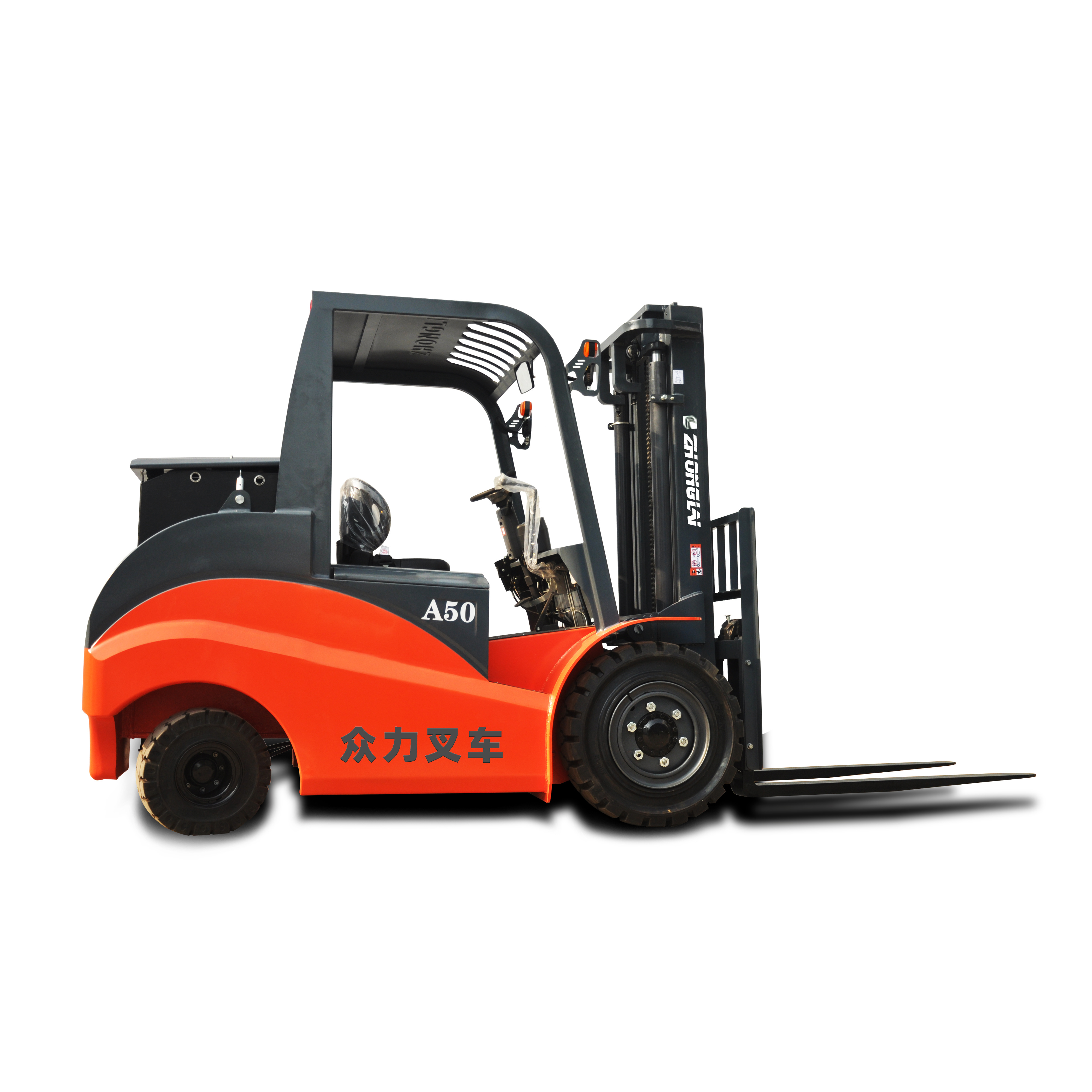
In the realm of warehousing and transportation, the 2nd ton electric forklift stands out as an essential piece of equipment. Designed for both indoor and outdoor use, these forklifts are particularly valued for their capacity to handle medium-weight loads efficiently and effectively. As businesses strive for operational excellence and sustainability, understanding the role of the 2nd ton electric forklift becomes increasingly crucial.
One of the primary advantages of the 2nd ton electric forklift is its environmentally friendly operation. Unlike traditional forklifts that run on gasoline or diesel, electric forklifts produce zero emissions while in use. This makes them an ideal choice for indoor warehouses where air quality is a concern. By opting for electric forklifts, companies can contribute to a cleaner environment while also meeting regulatory requirements related to emissions.
In terms of efficiency, the 2nd ton electric forklift offers excellent maneuverability and lifting capabilities, making it suitable for a wide range of applications. With the ability to lift loads up to two tons, this type of forklift is perfect for transporting goods in tight spaces commonly found in warehouses. Additionally, electric forklifts are known for their smooth operation and quiet performance, which can enhance the overall work environment.
Another significant benefit of the 2nd ton electric forklift is its lower operating costs compared to internal combustion engine models. Electric forklifts require less maintenance, as they have fewer moving parts and do not necessitate oil changes or fuel refills. This reduction in maintenance not only lowers the total cost of ownership but also results in less downtime, allowing businesses to maintain productivity levels.
Battery technology has also improved significantly, enabling electric forklifts to operate for longer periods before needing a recharge. Many models now feature rapid charging capabilities, allowing operators to quickly power up their forklifts during breaks, thus minimizing downtime. This advancement ensures that the 2nd ton electric forklift remains a reliable option for busy warehouses and distribution centers.
Furthermore, the adoption of electric forklifts aligns with the growing trend of automation and smart technology in the logistics sector. Many modern electric forklifts come equipped with advanced features such as telematics, which provide real-time data on performance and usage. This information can be invaluable for optimizing operations, improving safety, and facilitating proactive maintenance.
In conclusion, the 2nd ton electric forklift serves as a critical asset in the transportation and warehousing industry. Its eco-friendly operation, operational efficiency, low maintenance costs, and integration with modern technology make it an integral part of sustainable logistics practices. Companies looking to enhance their material handling capabilities should consider the numerous advantages offered by electric forklifts, solidifying their position as a preferred choice for safe and efficient load management.
One of the primary advantages of the 2nd ton electric forklift is its environmentally friendly operation. Unlike traditional forklifts that run on gasoline or diesel, electric forklifts produce zero emissions while in use. This makes them an ideal choice for indoor warehouses where air quality is a concern. By opting for electric forklifts, companies can contribute to a cleaner environment while also meeting regulatory requirements related to emissions.
In terms of efficiency, the 2nd ton electric forklift offers excellent maneuverability and lifting capabilities, making it suitable for a wide range of applications. With the ability to lift loads up to two tons, this type of forklift is perfect for transporting goods in tight spaces commonly found in warehouses. Additionally, electric forklifts are known for their smooth operation and quiet performance, which can enhance the overall work environment.
Another significant benefit of the 2nd ton electric forklift is its lower operating costs compared to internal combustion engine models. Electric forklifts require less maintenance, as they have fewer moving parts and do not necessitate oil changes or fuel refills. This reduction in maintenance not only lowers the total cost of ownership but also results in less downtime, allowing businesses to maintain productivity levels.
Battery technology has also improved significantly, enabling electric forklifts to operate for longer periods before needing a recharge. Many models now feature rapid charging capabilities, allowing operators to quickly power up their forklifts during breaks, thus minimizing downtime. This advancement ensures that the 2nd ton electric forklift remains a reliable option for busy warehouses and distribution centers.
Furthermore, the adoption of electric forklifts aligns with the growing trend of automation and smart technology in the logistics sector. Many modern electric forklifts come equipped with advanced features such as telematics, which provide real-time data on performance and usage. This information can be invaluable for optimizing operations, improving safety, and facilitating proactive maintenance.
In conclusion, the 2nd ton electric forklift serves as a critical asset in the transportation and warehousing industry. Its eco-friendly operation, operational efficiency, low maintenance costs, and integration with modern technology make it an integral part of sustainable logistics practices. Companies looking to enhance their material handling capabilities should consider the numerous advantages offered by electric forklifts, solidifying their position as a preferred choice for safe and efficient load management.
Contact Us

Professional forklift manufacturer
Products Hotline:+86-19203299111
WhatsApp:+8613582499666
Email:sales@good-forklift.com
Wechat:+86-19203299111
Mobile website