

The Essential Guide to 2nd Ton Electric Forklifts for Efficient Warehouse Operations
Sep 19,2024
---
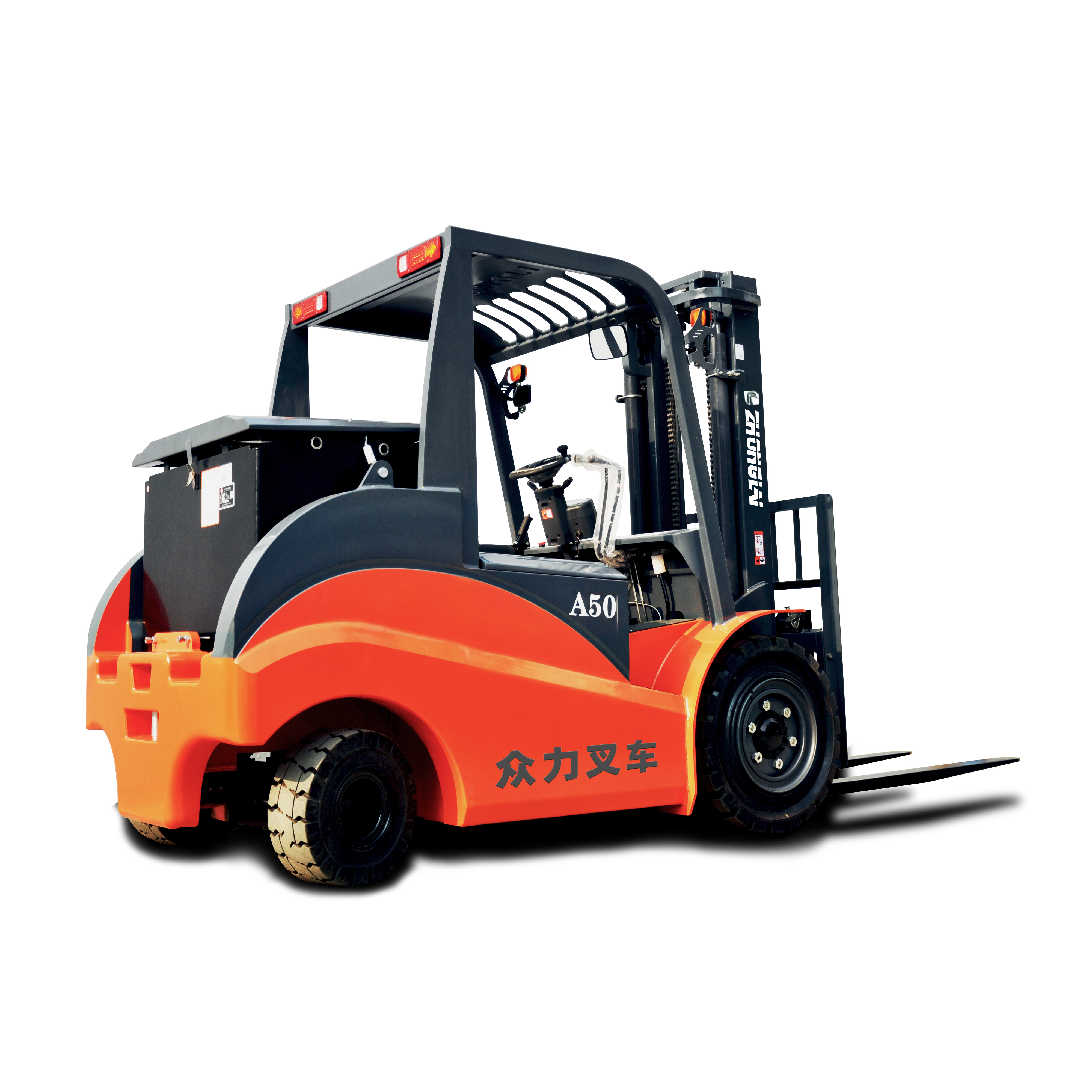
In the transportation and warehousing industry, the choice of equipment plays a pivotal role in achieving operational efficiency. The 2nd ton electric forklift stands out as a popular option due to its combination of power, maneuverability, and sustainability. Electric forklifts, including the 2nd ton model, are increasingly favored in warehouses and distribution centers for several reasons.
One of the most significant advantages of a 2nd ton electric forklift is its reduced environmental impact. Unlike internal combustion engine forklifts, electric models produce zero emissions during operation. This makes them an ideal choice for indoor use, where air quality is a concern. Moreover, with increasing regulations on emissions, transitioning to electric forklifts can also help businesses comply with local environmental laws.
Operational efficiency is another key benefit. The 2nd ton electric forklift is designed for handling loads up to 2,000 kilograms, making it suitable for a variety of applications. Its electric motor delivers consistent performance without the need for frequent refueling, which can significantly reduce downtime. Additionally, electric forklifts often have lower maintenance requirements compared to their gas or diesel counterparts. This means fewer interruptions to your workflow and a more reliable operation overall.
In terms of maneuverability, the 2nd ton electric forklift is compact and easy to navigate in tight spaces. This is particularly beneficial in warehouses with narrow aisles or congested areas. The ability to operate in challenging environments enhances the productivity of warehouse staff and can lead to faster inventory turnover.
When considering a 2nd ton electric forklift, it's essential to evaluate the specific needs of your operation. Factors such as load size, lift height, and frequency of use should influence your decision. It's also advisable to assess the availability of charging infrastructure, as electric forklifts require designated stations to recharge their batteries. Planning for adequate charging time is crucial to avoid disruptions during peak operating hours.
Training is another important aspect to keep in mind. Ensuring that your operators are well-trained in the use of electric forklifts not only enhances safety but also maximizes the efficiency of your operations. Many manufacturers provide resources and training programs to help businesses get the most out of their equipment.
In summary, the 2nd ton electric forklift represents a forward-thinking investment for businesses in the transportation and warehousing sector. With its environmental benefits, operational efficiency, and ease of use, it stands as a valuable asset in modern logistics. Evaluating your specific needs and ensuring proper training will further enhance the advantages that this equipment can offer. By making informed decisions regarding your materials handling equipment, you can drive productivity and sustainability in your operations.
In the transportation and warehousing industry, the choice of equipment plays a pivotal role in achieving operational efficiency. The 2nd ton electric forklift stands out as a popular option due to its combination of power, maneuverability, and sustainability. Electric forklifts, including the 2nd ton model, are increasingly favored in warehouses and distribution centers for several reasons.
One of the most significant advantages of a 2nd ton electric forklift is its reduced environmental impact. Unlike internal combustion engine forklifts, electric models produce zero emissions during operation. This makes them an ideal choice for indoor use, where air quality is a concern. Moreover, with increasing regulations on emissions, transitioning to electric forklifts can also help businesses comply with local environmental laws.
Operational efficiency is another key benefit. The 2nd ton electric forklift is designed for handling loads up to 2,000 kilograms, making it suitable for a variety of applications. Its electric motor delivers consistent performance without the need for frequent refueling, which can significantly reduce downtime. Additionally, electric forklifts often have lower maintenance requirements compared to their gas or diesel counterparts. This means fewer interruptions to your workflow and a more reliable operation overall.
In terms of maneuverability, the 2nd ton electric forklift is compact and easy to navigate in tight spaces. This is particularly beneficial in warehouses with narrow aisles or congested areas. The ability to operate in challenging environments enhances the productivity of warehouse staff and can lead to faster inventory turnover.
When considering a 2nd ton electric forklift, it's essential to evaluate the specific needs of your operation. Factors such as load size, lift height, and frequency of use should influence your decision. It's also advisable to assess the availability of charging infrastructure, as electric forklifts require designated stations to recharge their batteries. Planning for adequate charging time is crucial to avoid disruptions during peak operating hours.
Training is another important aspect to keep in mind. Ensuring that your operators are well-trained in the use of electric forklifts not only enhances safety but also maximizes the efficiency of your operations. Many manufacturers provide resources and training programs to help businesses get the most out of their equipment.
In summary, the 2nd ton electric forklift represents a forward-thinking investment for businesses in the transportation and warehousing sector. With its environmental benefits, operational efficiency, and ease of use, it stands as a valuable asset in modern logistics. Evaluating your specific needs and ensuring proper training will further enhance the advantages that this equipment can offer. By making informed decisions regarding your materials handling equipment, you can drive productivity and sustainability in your operations.
Contact Us

Professional forklift manufacturer
Products Hotline:+86-19203299111
WhatsApp:+8613582499666
Email:sales@good-forklift.com
Wechat:+86-19203299111
Mobile website