

Navigating the Future with 2nd Ton Electric Forklift Technology: A Comprehensive Guide
Sep 18,2024
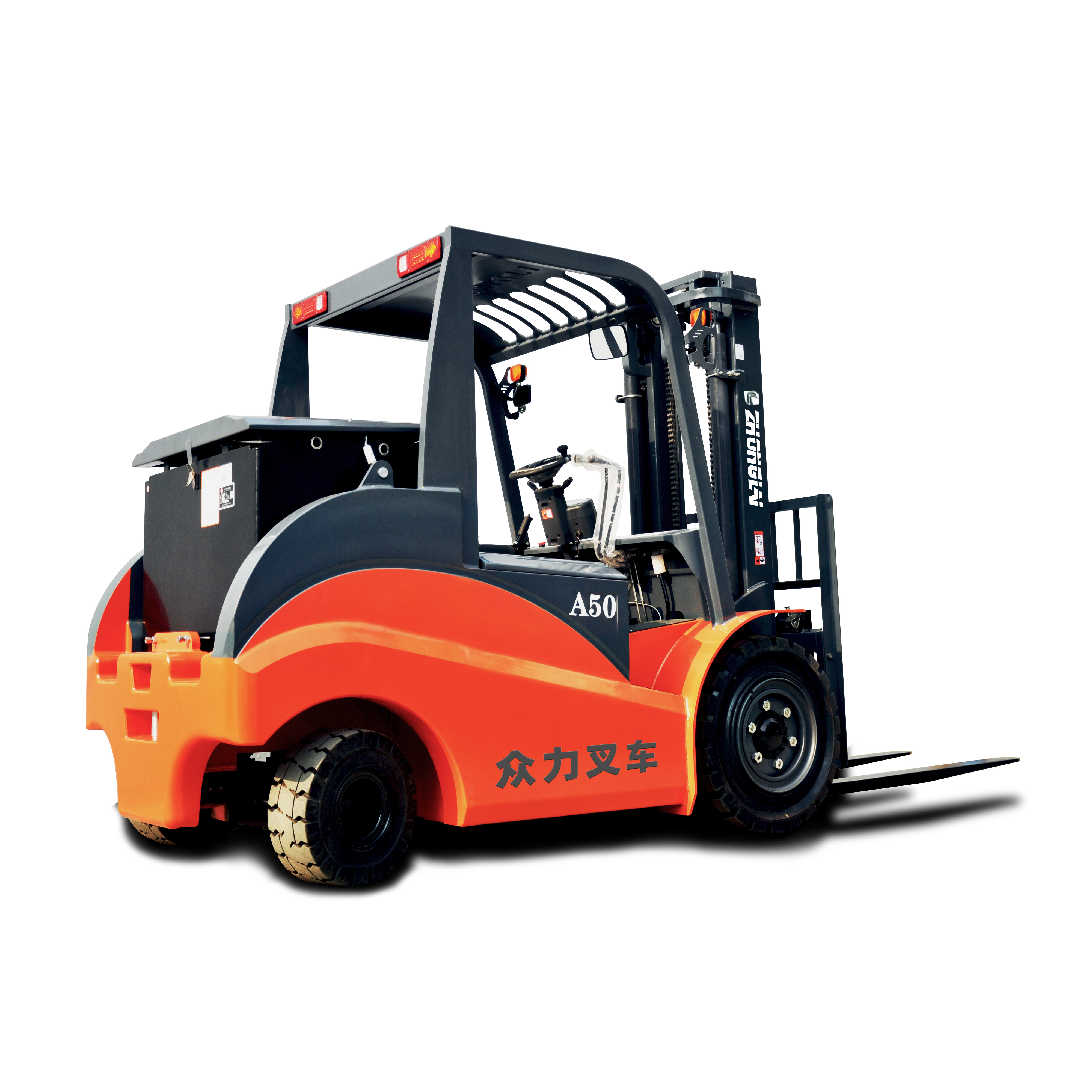
Navigating the Future with 2nd Ton Electric Forklift Technology
Table of Contents
- Introduction to 2nd Ton Electric Forklifts
- Key Benefits of 2nd Ton Electric Forklift Technology
- Innovative Features of Modern Electric Forklifts
- Environmental Impact of Electric Forklifts
- Cost Efficiency and ROI of Electric Forklifts
- Safety Enhancements in 2nd Ton Electric Forklifts
- Future Trends in Electric Forklift Technology
- Frequently Asked Questions
- Conclusion: Embracing the Future of Material Handling
Introduction to 2nd Ton Electric Forklifts
The logistics and warehousing industries are undergoing a significant transformation, driven by advancements in technology and an increased focus on sustainability. At the forefront of this evolution is the **2nd ton electric forklift**, a powerful tool designed to enhance efficiency, reduce costs, and minimize environmental impact. These electric forklifts, which are engineered to handle loads of up to two tons, are becoming increasingly popular among businesses that prioritize productivity and sustainability in their operations.
Key Benefits of 2nd Ton Electric Forklift Technology
The adoption of **2nd ton electric forklift technology** comes with a multitude of benefits. Here are some of the most compelling reasons to consider integrating them into your operations:
1. Enhanced Efficiency and Productivity
Electric forklifts offer superior performance compared to their internal combustion counterparts. With faster acceleration and smoother operation, they enable operators to complete tasks more quickly and with greater precision. This increased efficiency leads to higher overall productivity in warehouse and distribution environments.
2. Reduced Operating Costs
The cost-effectiveness of 2nd ton electric forklifts is one of their most attractive features. They require less maintenance than traditional gas or diesel forklifts, which translates to lower operating costs over time. Additionally, electric forklifts have fewer moving parts, reducing the likelihood of breakdowns and extending their lifespan.
3. Improved Operator Comfort
Operator comfort is crucial for maintaining productivity. Electric forklifts are generally quieter and produce less vibration than their gas-powered counterparts, creating a more comfortable working environment. Many models are equipped with ergonomic designs, adjustable seats, and intuitive controls to further enhance operator comfort.
Innovative Features of Modern Electric Forklifts
Today’s **2nd ton electric forklifts** are equipped with a range of innovative features that improve functionality and user experience. Here are some of the standout features:
1. Advanced Battery Technology
Modern electric forklifts utilize advanced battery technologies, such as lithium-ion batteries, which offer longer run times and quicker charging capabilities. These batteries can be charged during breaks, allowing for continuous operation without long downtime.
2. Intelligent Safety Systems
Safety is a top priority in any warehouse setting. Many electric forklifts come with built-in safety features, such as automatic braking systems, load weight sensors, and stability control mechanisms. These systems help prevent accidents and ensure safe operation in various working conditions.
3. Connectivity and Smart Technology
With the rise of Industry 4.0, electric forklifts are increasingly equipped with IoT (Internet of Things) technology. This connectivity allows operators and managers to monitor performance, track usage, and receive alerts for maintenance needs in real time, ensuring optimal operation and minimizing downtime.
Environmental Impact of Electric Forklifts
The shift towards electric forklifts is not just about efficiency and cost savings; it also aligns with global sustainability efforts. The **environmental impact** of using 2nd ton electric forklifts is substantial:
1. Zero Emissions
Electric forklifts produce zero tailpipe emissions, making them an environmentally friendly choice for warehouses and distribution centers. This is particularly important in urban areas where air quality can be a concern.
2. Reduced Noise Pollution
The quieter operation of electric forklifts contributes to reduced noise pollution in warehouse environments, which can enhance the working conditions for employees and minimize disruptions in nearby areas.
3. Energy Efficiency
Electric forklifts are known for their energy efficiency, consuming less energy per ton-mile compared to internal combustion forklifts. This efficiency helps reduce the overall carbon footprint of logistics operations.
Cost Efficiency and ROI of Electric Forklifts
Evaluating the cost efficiency and return on investment (ROI) of **2nd ton electric forklifts** is crucial for any business considering this technology:
1. Lower Fuel Costs
Electric forklifts eliminate the need for fuel purchases, significantly reducing operating costs. Businesses can save money on fuel while benefiting from the consistent performance of electric power.
2. Long-Term Savings
While the initial investment in electric forklifts may be higher than gas-powered models, the long-term savings on maintenance, energy costs, and operational efficiency often outweigh this upfront expense. Many businesses report substantial savings over the forklift's lifespan.
3. Incentives and Grants
In many regions, governments offer incentives and grants for businesses that adopt green technologies, including electric forklifts. These financial incentives can further enhance the ROI of electric forklift investments.
Safety Enhancements in 2nd Ton Electric Forklifts
Safety in the workplace is non-negotiable, especially in environments with heavy machinery. Here’s how modern electric forklifts prioritize safety:
1. Operator Training Programs
Many forklift manufacturers provide comprehensive training programs that educate operators on the safe use of electric forklifts. This training often includes simulations and hands-on experience to ensure operators are well-prepared.
2. Enhanced Visibility Features
Electric forklifts often come equipped with features like LED lights, rear-view cameras, and improved mast designs that enhance visibility, reducing the risk of accidents.
3. Ergonomic Design
The ergonomic design of electric forklifts not only improves operator comfort but also reduces the risk of fatigue-related accidents. Operators can work more efficiently and safely with well-designed controls and seating.
Future Trends in Electric Forklift Technology
As technology continues to advance, the future of **2nd ton electric forklifts** looks promising. Here are some anticipated trends:
1. Increased Automation
The integration of automation technology, such as autonomous forklifts, is expected to revolutionize material handling. These systems can operate without human intervention, increasing efficiency and safety in warehouses.
2. Advanced Battery Solutions
Future developments in battery technology, including solid-state batteries, promise even greater efficiency and performance for electric forklifts, leading to longer run times and quicker charging.
3. Sustainability Initiatives
As businesses continue to focus on sustainability, electric forklifts will play a critical role in reducing carbon footprints. Innovations in recycling and battery management will further enhance their environmental benefits.
Frequently Asked Questions
1. What is the typical lifespan of a 2nd ton electric forklift?
The lifespan of a 2nd ton electric forklift can vary, but with proper maintenance, they typically last between 10 to 15 years.
2. How do electric forklifts compare to traditional forklifts in terms of cost?
While the initial investment in electric forklifts may be higher, they often result in lower operating costs due to reduced fuel and maintenance expenses.
3. Can electric forklifts be used outdoors?
Yes, many electric forklifts are designed for outdoor use, particularly those with protective features against weather conditions.
4. Are electric forklifts suitable for heavy loads?
Yes, 2nd ton electric forklifts are specifically engineered to handle loads up to two tons, making them suitable for a variety of warehouse applications.
5. What are the charging requirements for electric forklifts?
Electric forklifts typically require a dedicated charging station, and charging times can vary based on the battery type and size.
Conclusion: Embracing the Future of Material Handling
The **2nd ton electric forklift technology** is at the forefront of transforming the logistics and warehousing sectors. With their numerous benefits, including enhanced efficiency, reduced operational costs, and positive environmental impacts, electric forklifts represent a forward-thinking choice for businesses aiming to improve their material handling operations. As innovations continue to shape this technology, embracing electric forklifts will not only support operational goals but also contribute to a sustainable future in the transportation industry. Companies that recognize and invest in this evolution will position themselves as leaders in a rapidly changing marketplace.
Contact Us

Professional forklift manufacturer
Products Hotline:+86-19203299111
WhatsApp:+8613582499666
Email:sales@good-forklift.com
Wechat:+86-19203299111
Mobile website