

Streamlining Operations: The Advantages of Electric Forklifts in Material Handling
Sep 20,2024
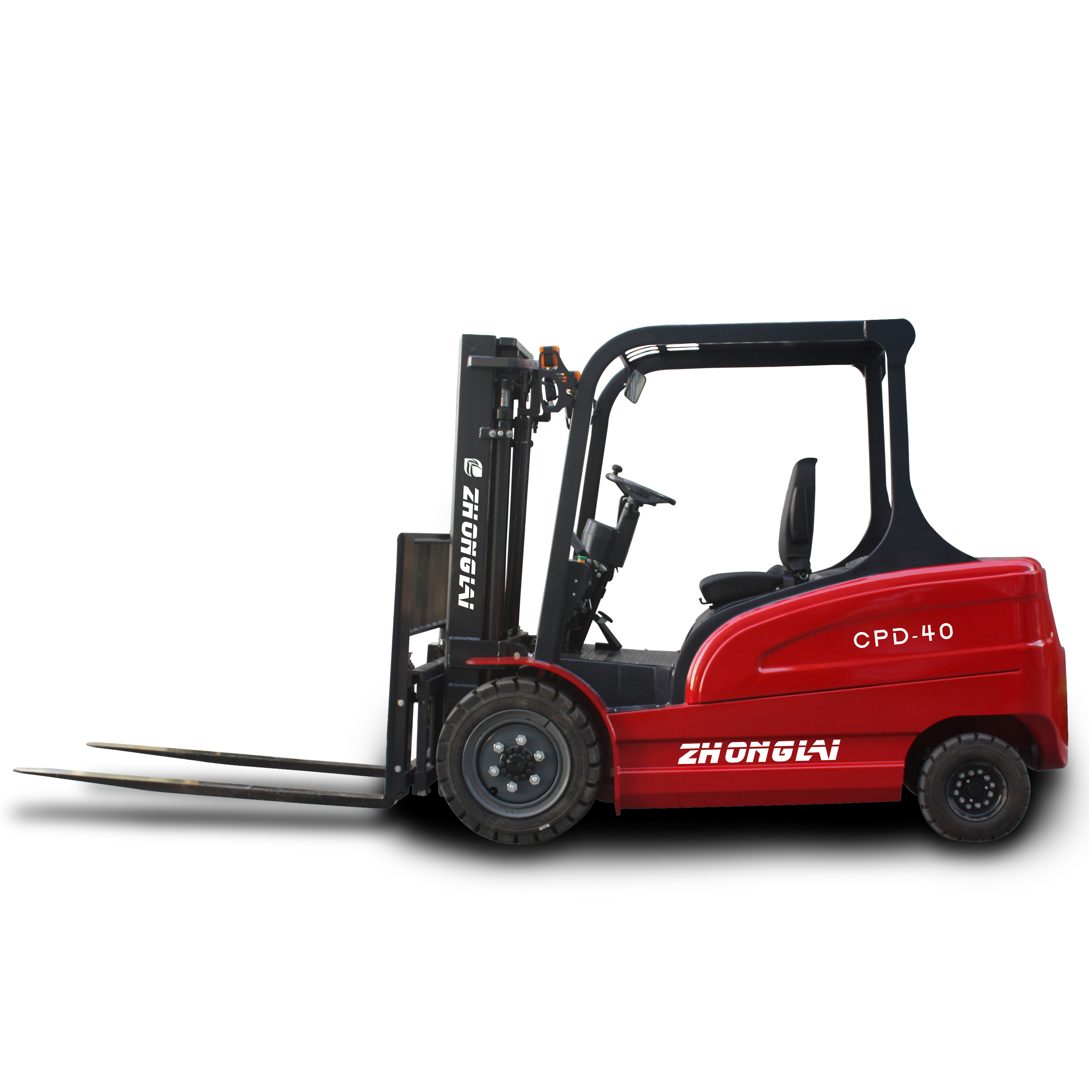
Streamlining Operations: The Advantages of Electric Forklifts in Material Handling
Introduction to Electric Forklifts in Material Handling
In the fast-paced world of **material handling**, businesses are constantly seeking ways to optimize their operations while maintaining efficiency and reducing costs. One of the most impactful solutions is the adoption of **electric forklifts**. Unlike their internal combustion counterparts, electric forklifts offer unique advantages that can significantly enhance your operational workflow. This article explores the myriad benefits of **electric forklifts** and how they can streamline your material handling processes.
Understanding Electric Forklifts
What Are Electric Forklifts?
Electric forklifts are powered by electric motors and batteries, making them a sustainable and efficient choice for material handling operations. They come in various models, including pallet jacks, reach trucks, and order pickers, and are used across a range of industries, from warehousing to manufacturing.
Key Components of Electric Forklifts
Electric forklifts consist of several critical components that contribute to their effectiveness in material handling:
- **Electric Motor**: Provides the driving force for the forklift's movement.
- **Batteries**: The power source for the electric motor; often made from lead-acid or lithium-ion.
- **Controller**: Regulates the power delivered to the motor, allowing for precise control of speed and direction.
- **Mast**: The structure that lifts and lowers the load.
Benefits of Electric Forklifts
Enhanced Operational Efficiency
One of the most significant advantages of electric forklifts is their ability to enhance operational efficiency. With their instant torque delivery, electric forklifts can accelerate quickly and navigate tight spaces with ease. This agility allows for faster loading and unloading times, which translates to increased productivity within your operations.
Cost-Effectiveness Over Time
While the initial investment in electric forklifts may be higher than that of traditional forklifts, the long-term savings make them a cost-effective choice. Electric forklifts have lower operating costs due to:
- **Reduced Fuel Costs**: Electricity is generally cheaper than gasoline or diesel.
- **Lower Maintenance Requirements**: Electric forklifts have fewer moving parts, leading to reduced maintenance and repair costs.
Environmental Impact and Sustainability
The rise of electric forklifts aligns with the growing emphasis on sustainability in the business world. Electric forklifts produce zero emissions during operation, contributing to a cleaner environment. By switching to electric, companies can enhance their corporate social responsibility (CSR) initiatives and appeal to environmentally conscious consumers.
Improved Operator Comfort and Safety
Electric forklifts are designed with operator comfort in mind. Features such as reduced noise levels, ergonomic controls, and better visibility help create a safer and more enjoyable working environment. This increased comfort can lead to reduced operator fatigue and lower turnover rates.
Applications of Electric Forklifts in Various Industries
Warehousing and Distribution Centers
In warehousing and distribution centers, electric forklifts excel due to their ability to handle a variety of loads efficiently. Their compact size allows them to navigate narrow aisles, making it easier to maximize storage space and enhance inventory management.
Manufacturing Facilities
Electric forklifts are increasingly being used in manufacturing facilities. They can transport materials and finished products without the emissions and noise associated with internal combustion engines, making them ideal for indoor environments.
Retail Environments
In retail, electric forklifts help manage inventory and facilitate quick restocking. Their quiet operation is particularly beneficial in environments where customer experience is a priority.
Challenges and Considerations When Switching to Electric Forklifts
Initial Investment and Costs
While electric forklifts offer long-term savings, businesses should consider the upfront investment required for purchasing the equipment and necessary charging infrastructure.
Battery Life and Charging Infrastructure
Understanding battery life and implementing efficient charging systems is crucial. Businesses must evaluate their operational needs to determine the appropriate battery type and charging schedule to maintain productivity.
Best Practices for Implementing Electric Forklifts
Training Operators Effectively
Proper training is essential for maximizing the benefits of electric forklifts. Operators should be familiar with the unique features and controls of electric models to ensure safe and efficient operation.
Regular Maintenance Procedures
Establishing a regular maintenance schedule will keep electric forklifts in optimal condition. Maintenance should include battery checks, inspections of electrical components, and routine cleaning.
Future Trends in Electric Forklifts
Advancements in Battery Technology
The future of electric forklifts lies in advancements in battery technology. Innovations such as lithium-ion batteries are expected to offer faster charging times and longer service life, further enhancing the appeal of electric forklifts.
Integration with Smart Technology
As automation and smart technology continue to evolve, electric forklifts will likely incorporate features such as telematics and real-time tracking to optimize operations and provide valuable data insights.
Frequently Asked Questions (FAQs)
1. What is the lifespan of an electric forklift battery?
The lifespan of an electric forklift battery can vary based on usage and maintenance, but most lead-acid batteries last between 3 to 5 years, while lithium-ion batteries can last longer with proper care.
2. Are electric forklifts suitable for outdoor use?
While electric forklifts are primarily designed for indoor use, there are robust outdoor models available. However, businesses should evaluate their specific outdoor conditions before making a purchase.
3. How long does it take to charge an electric forklift?
Charging times can vary depending on the battery type and charger used. Generally, lead-acid batteries require 8-12 hours for a full charge, while lithium-ion batteries can charge in 1-3 hours.
4. Can electric forklifts handle heavy loads?
Yes, electric forklifts come in various capacities and can handle heavy loads comparable to internal combustion forklifts. It's essential to choose the right model based on your load requirements.
5. What maintenance is required for electric forklifts?
Electric forklifts require regular maintenance, including battery checks, inspection of electrical components, and routine cleaning to ensure optimal performance.
Conclusion
Switching to electric forklifts presents an opportunity for businesses to streamline their material handling operations. The benefits, ranging from enhanced efficiency and cost savings to improved environmental sustainability and operator safety, make electric forklifts a strategic investment for the future. As technology continues to evolve, the potential of electric forklifts will only increase, ensuring they remain a pivotal component of modern material handling solutions. By embracing this transformative technology, companies can position themselves for long-term success in an increasingly competitive landscape.
Contact Us

Professional forklift manufacturer
Products Hotline:+86-19203299111
WhatsApp:+8613582499666
Email:sales@good-forklift.com
Wechat:+86-19203299111
Mobile website