

Electric Forklift Stackers: Enhancing Supply Chain Resilience
Aug 31,2026
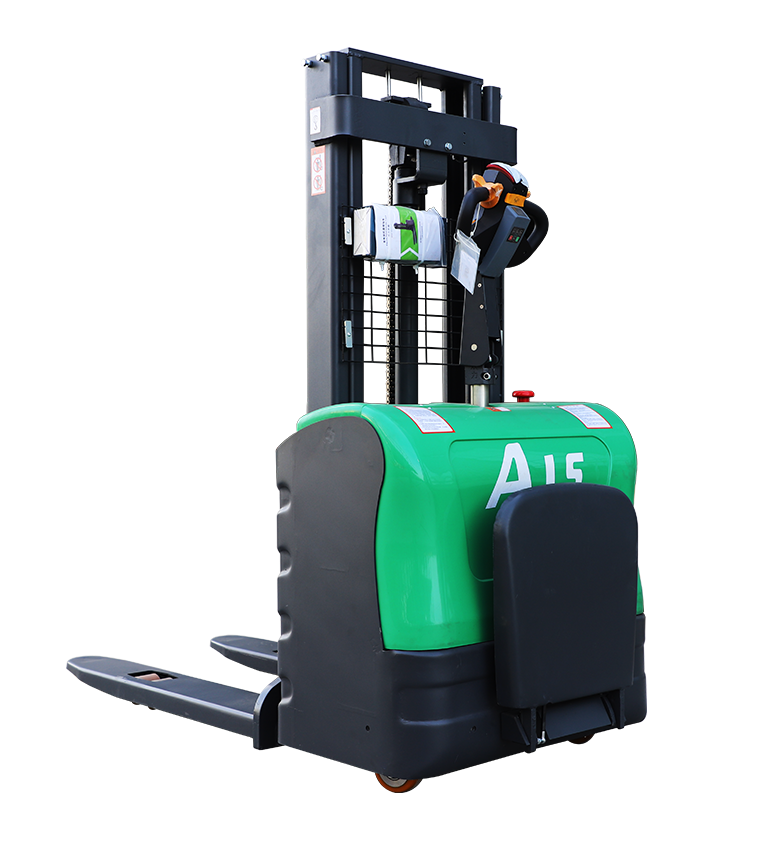
Electric Forklift Stackers: Enhancing Supply Chain Resilience
Table of Contents
1. Introduction to Electric Forklift Stackers
2. The Importance of Supply Chain Resilience
3. Key Features of Electric Forklift Stackers
3.1 Energy Efficiency and Sustainability
3.2 Advanced Technology Integration
4. Benefits of Electric Forklift Stackers in Supply Chain Management
4.1 Enhanced Operational Efficiency
4.2 Reduced Operational Costs
4.3 Improved Workplace Safety
5. Choosing the Right Electric Forklift Stacker
5.1 Evaluating Load Capacity and Reach
5.2 Understanding Battery Options and Charging Stations
6. Best Practices for Implementing Electric Forklift Stackers
6.1 Training and Safety Considerations
6.2 Regular Maintenance and Upkeep
7. Future Trends in Electric Forklift Technology
8. Frequently Asked Questions
9. Conclusion
1. Introduction to Electric Forklift Stackers
Electric forklift stackers are an essential tool in modern warehouses and distribution centers. As businesses increasingly seek to optimize their supply chains, the demand for efficient and versatile lifting equipment has surged. These electric stackers serve as an effective solution, combining strength, maneuverability, and eco-friendliness to meet the diverse needs of today’s logistics operations.
2. The Importance of Supply Chain Resilience
In an era marked by rapid market changes and unexpected disruptions, the resilience of supply chains has never been more critical. Companies must develop robust strategies to mitigate risks, ensure continuity, and adapt to fluctuations in demand. Electric forklift stackers play a significant role in enhancing supply chain resilience by improving operational flexibility and responsiveness.
3. Key Features of Electric Forklift Stackers
Electric forklift stackers come equipped with several features that set them apart from their traditional counterparts. Understanding these features can help businesses make informed decisions.
3.1 Energy Efficiency and Sustainability
Electric stackers operate on rechargeable batteries, making them more energy-efficient than internal combustion models. This shift to electric power not only reduces fuel costs but also minimizes greenhouse gas emissions, aligning with global sustainability goals.
3.2 Advanced Technology Integration
Many electric forklift stackers incorporate advanced technologies, such as automated controls, telematics, and real-time data analytics. These features enhance operational visibility and enable managers to monitor performance metrics, facilitating informed decision-making.
4. Benefits of Electric Forklift Stackers in Supply Chain Management
Implementing electric forklift stackers can yield numerous benefits for businesses looking to strengthen their supply chains.
4.1 Enhanced Operational Efficiency
Electric stackers are designed for swift and efficient operations. Their compact size allows for easier navigation in tight spaces, which is particularly advantageous in high-density warehouses. The ability to stack goods higher enhances storage capabilities and maximizes space utilization.
4.2 Reduced Operational Costs
Investing in electric forklift stackers translates to lower overall operational costs. Reduced maintenance requirements, coupled with savings on fuel and labor, contribute to more manageable budget expenditures. As companies seek to streamline their supply chain operations, these cost efficiencies become increasingly significant.
4.3 Improved Workplace Safety
Safety should always be a top priority in any warehouse environment. Electric forklift stackers are equipped with features such as automatic braking, ergonomic controls, and enhanced visibility, reducing the likelihood of accidents. A safer workplace not only protects employees but also leads to higher morale and productivity.
5. Choosing the Right Electric Forklift Stacker
Selecting the appropriate electric forklift stacker for your operations is crucial. Factors such as load capacity, reachability, and battery options should be considered to ensure compatibility with your operational needs.
5.1 Evaluating Load Capacity and Reach
Different electric stackers are designed for various load capacities. Understanding the weight and dimensions of the materials being handled will guide the selection process. Additionally, consider the stacker’s reach capability to ensure it can accommodate your shelving and storage layout.
5.2 Understanding Battery Options and Charging Stations
Battery life and charging capabilities are significant aspects of electric forklift stackers. Companies may choose between lead-acid and lithium-ion batteries based on their operational requirements. Additionally, planning for convenient charging stations can minimize downtime and enhance productivity.
6. Best Practices for Implementing Electric Forklift Stackers
To maximize the benefits of electric forklift stackers, businesses should adopt best practices during implementation.
6.1 Training and Safety Considerations
Investing in comprehensive training programs for operators is essential. Ensuring that staff are knowledgeable about safety protocols and equipment operation helps mitigate risks associated with forklift use.
6.2 Regular Maintenance and Upkeep
Routine maintenance is vital to prolong the life of electric stackers. Implementing a maintenance schedule that includes regular inspections and proactive repairs will help maintain safety and efficiency.
7. Future Trends in Electric Forklift Technology
The landscape of electric forklift stackers is continually evolving, with new innovations shaping the future of supply chain operations. Companies can expect advancements that incorporate artificial intelligence, internet of things (IoT) connectivity, and autonomous driving capabilities. These technologies promise to enhance operational efficiency, improve safety, and further reduce environmental impacts.
8. Frequently Asked Questions
8.1 What are the advantages of electric forklift stackers over traditional forklifts?
Electric forklift stackers offer several advantages, including lower operating costs, reduced emissions, and enhanced safety features. Their compact design allows for greater maneuverability in tight spaces.
8.2 How do I determine the right load capacity for my electric stacker?
Consider the maximum weight and dimensions of the items you will be lifting. Assess your warehouse layout to ensure the stacker can handle the size and weight of your inventory.
8.3 What maintenance is required for electric forklift stackers?
Regular maintenance includes battery checks, inspections of moving parts, and ensuring safety features are functioning. Following the manufacturer’s maintenance schedule will help prolong the equipment’s life.
8.4 How long does the battery last on an electric forklift stacker?
Battery life varies based on the model and usage, but most lithium-ion batteries can last for several hours on a single charge. Proper charging practices can extend battery longevity.
8.5 Are electric forklift stackers suitable for outdoor use?
While primarily designed for indoor use, some electric forklift stackers are equipped for outdoor applications. Ensure that the model selected is rated for outdoor conditions if you plan to use it in external environments.
9. Conclusion
Electric forklift stackers are transforming the landscape of supply chain management by enhancing operational efficiency, reducing costs, and improving safety. By integrating advanced technologies and adopting best practices, businesses can build more resilient supply chains that are better equipped to face the challenges of the modern market. Investing in electric stackers is not merely a decision to improve logistics; it is a commitment to sustainability and operational excellence. Embracing this technology will undoubtedly position companies for success in an increasingly competitive environment.
Contact Us

Professional forklift manufacturer
Products Hotline:+86-19203299111
WhatsApp:+8613582499666
Email:sales@good-forklift.com
Wechat:+86-19203299111
Mobile website