

Maximizing Efficiency with Electric 3-Ton Forklifts in Transportation and Warehousing
Aug 28,2026
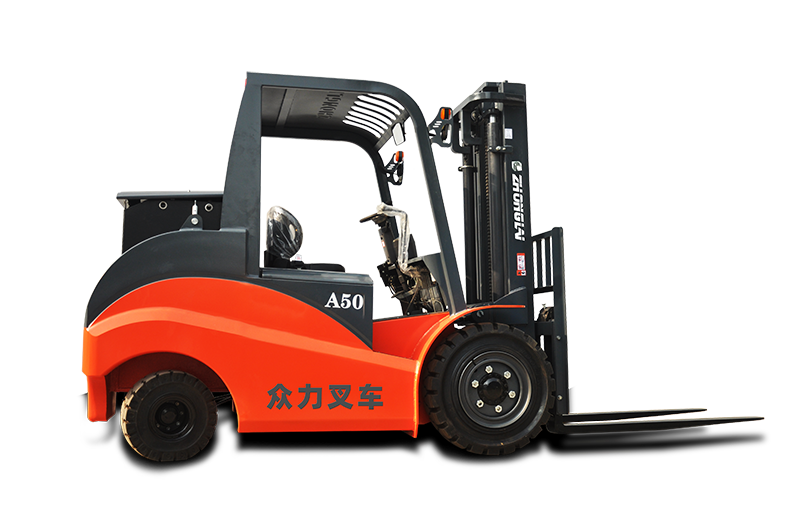
In the ever-evolving landscape of transportation and warehousing, electric forklifts, particularly the 3-ton models, have emerged as a game changer. These machines not only improve efficiency but also align with the growing need for eco-friendly solutions in industrial environments. Understanding the key benefits and considerations of electric 3-ton forklifts can help businesses make informed decisions that enhance operational efficiency.
One of the primary advantages of electric 3-ton forklifts is their lower operational costs compared to their internal combustion engine counterparts. Electric models typically require less maintenance, as they have fewer moving parts and do not need oil changes. This reduction in maintenance not only saves money but also minimizes downtime, allowing for smoother warehouse operations. Additionally, electric forklifts have lower energy costs, as they can be charged for a fraction of the cost of fueling a gas or diesel-powered forklift.
Another significant benefit is their environmental impact. Electric 3-ton forklifts produce zero emissions during operation, making them ideal for indoor use and environments where air quality is a concern. This eco-friendly approach not only supports corporate sustainability initiatives but also enhances employee safety and comfort by reducing exposure to harmful fumes.
When considering the adoption of electric 3-ton forklifts, it's crucial to evaluate the specific requirements of your operations. Assessing the maximum load capacity, lift height, and operational duration is essential to ensure that the chosen forklift meets your business needs. Additionally, consider the charging infrastructure, as the availability of adequate charging stations can directly influence productivity.
Moreover, training is a vital component of incorporating electric forklifts into your workforce. Ensuring that operators are well-trained in the safe and efficient use of these machines is paramount. This training not only includes operating procedures but also understanding battery maintenance and safety protocols.
Finally, consider future trends in technology that may influence the use of electric 3-ton forklifts. Innovations such as advanced battery technologies, telematics, and automation are rapidly transforming the logistics landscape. Staying informed about these trends can help businesses remain competitive and leverage the full potential of their electric forklift fleet.
In summary, electric 3-ton forklifts present significant advantages in terms of cost efficiency, environmental sustainability, and operational effectiveness. By carefully evaluating your business needs and ensuring proper training and infrastructure are in place, you can maximize the benefits of these machines and drive your transportation and warehousing operations towards greater success.
One of the primary advantages of electric 3-ton forklifts is their lower operational costs compared to their internal combustion engine counterparts. Electric models typically require less maintenance, as they have fewer moving parts and do not need oil changes. This reduction in maintenance not only saves money but also minimizes downtime, allowing for smoother warehouse operations. Additionally, electric forklifts have lower energy costs, as they can be charged for a fraction of the cost of fueling a gas or diesel-powered forklift.
Another significant benefit is their environmental impact. Electric 3-ton forklifts produce zero emissions during operation, making them ideal for indoor use and environments where air quality is a concern. This eco-friendly approach not only supports corporate sustainability initiatives but also enhances employee safety and comfort by reducing exposure to harmful fumes.
When considering the adoption of electric 3-ton forklifts, it's crucial to evaluate the specific requirements of your operations. Assessing the maximum load capacity, lift height, and operational duration is essential to ensure that the chosen forklift meets your business needs. Additionally, consider the charging infrastructure, as the availability of adequate charging stations can directly influence productivity.
Moreover, training is a vital component of incorporating electric forklifts into your workforce. Ensuring that operators are well-trained in the safe and efficient use of these machines is paramount. This training not only includes operating procedures but also understanding battery maintenance and safety protocols.
Finally, consider future trends in technology that may influence the use of electric 3-ton forklifts. Innovations such as advanced battery technologies, telematics, and automation are rapidly transforming the logistics landscape. Staying informed about these trends can help businesses remain competitive and leverage the full potential of their electric forklift fleet.
In summary, electric 3-ton forklifts present significant advantages in terms of cost efficiency, environmental sustainability, and operational effectiveness. By carefully evaluating your business needs and ensuring proper training and infrastructure are in place, you can maximize the benefits of these machines and drive your transportation and warehousing operations towards greater success.
Contact Us

Professional forklift manufacturer
Products Hotline:+86-19203299111
WhatsApp:+8613582499666
Email:sales@good-forklift.com
Wechat:+86-19203299111
Mobile website