

The Advantages of Electric 3-Ton Forklifts in Modern Warehousing
Jun 17,2026
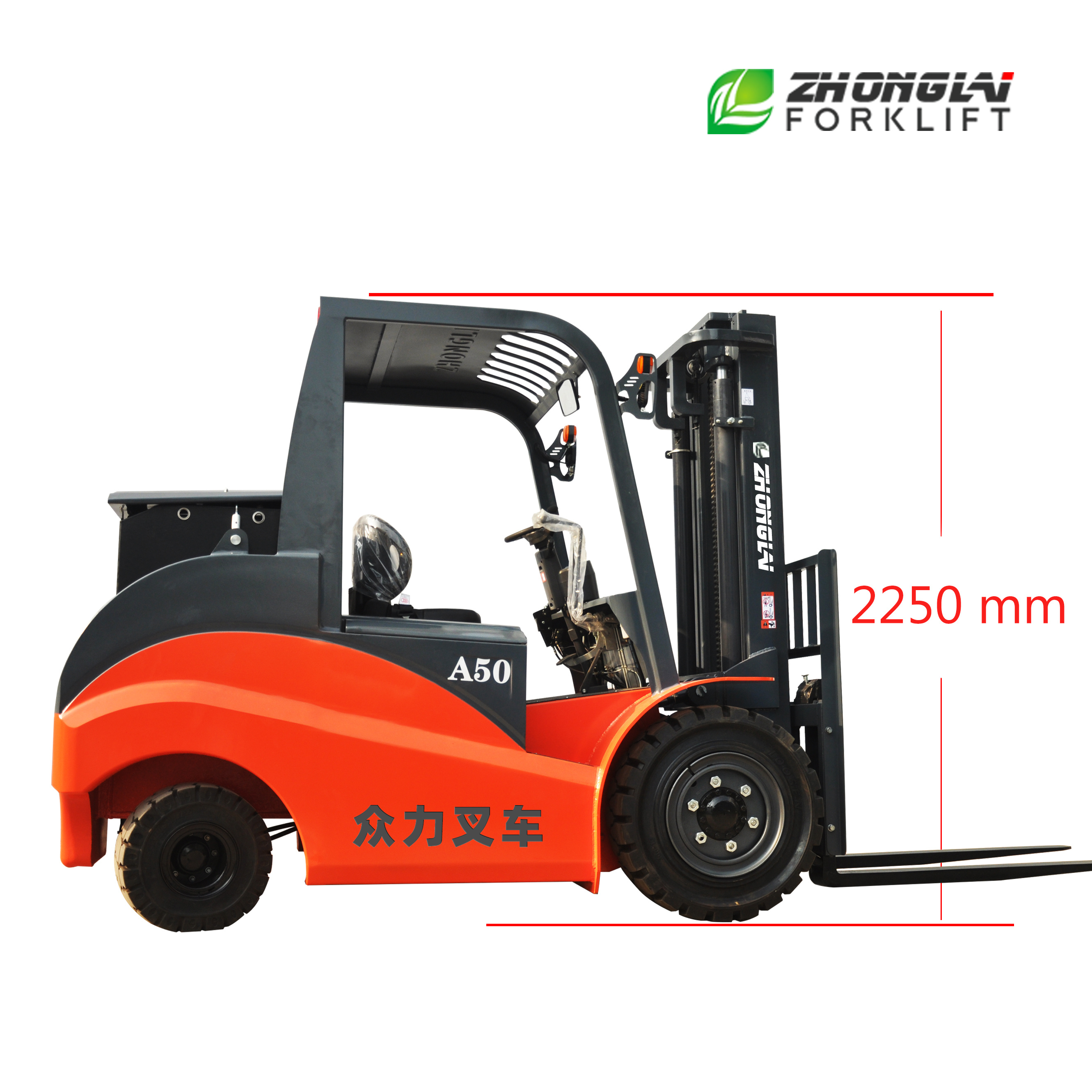
Electric forklifts, particularly the 3-ton models, are becoming increasingly popular in the logistics and warehousing sectors. As industries focus on sustainability and operational efficiency, these forklifts offer several advantages that can significantly enhance productivity and reduce operational costs.
One of the primary benefits of electric 3-ton forklifts is their environmental impact. Unlike their internal combustion counterparts, electric forklifts produce zero emissions during operation. This not only contributes to a healthier workplace environment but also aligns with the growing corporate responsibility towards sustainability. As regulations regarding emissions become more stringent, transitioning to electric forklifts can ensure compliance while promoting a greener image for your business.
In terms of performance, electric 3-ton forklifts are designed to provide powerful lifting capabilities while maintaining energy efficiency. The electric motors ensure a smooth and responsive operation, allowing for precise control, which is essential in busy warehouse settings where space is often limited. Their ability to handle loads effectively while minimizing noise pollution makes them ideal for indoor use, particularly in facilities that prioritize a quieter working environment.
Maintenance is another area where electric forklifts excel. Typically, electric models require less maintenance compared to gasoline or diesel-powered forklifts. They have fewer moving parts, which reduces wear and tear, and consequently, the frequency of repairs. Regular maintenance mainly involves battery checks and ensuring the electrical systems are functioning correctly, making them a cost-effective option in the long run.
Battery technology has advanced significantly, enhancing the performance and reliability of electric forklifts. Many modern electric 3-ton forklifts come equipped with lithium-ion batteries, which offer faster charging times and longer operational durations. This means that businesses can expect higher uptime and efficiency, as these forklifts can be charged during breaks or at night, ready for use the next day without lengthy downtime.
When considering electric 3-ton forklifts, it’s crucial to assess your operational needs. Factors such as load capacity, lift height, and the specific warehouse layout should be evaluated. Additionally, investing in a robust training program for operators can maximize the efficiency of these electric forklifts, ensuring that your team can leverage their capabilities fully.
In conclusion, electric 3-ton forklifts are an excellent investment for businesses in the transportation and warehousing sectors. Their environmental benefits, reduced maintenance costs, and improved operational efficiency make them a compelling choice for modern logistics. By adopting this technology, companies can not only enhance their productivity but also contribute to a more sustainable future.
One of the primary benefits of electric 3-ton forklifts is their environmental impact. Unlike their internal combustion counterparts, electric forklifts produce zero emissions during operation. This not only contributes to a healthier workplace environment but also aligns with the growing corporate responsibility towards sustainability. As regulations regarding emissions become more stringent, transitioning to electric forklifts can ensure compliance while promoting a greener image for your business.
In terms of performance, electric 3-ton forklifts are designed to provide powerful lifting capabilities while maintaining energy efficiency. The electric motors ensure a smooth and responsive operation, allowing for precise control, which is essential in busy warehouse settings where space is often limited. Their ability to handle loads effectively while minimizing noise pollution makes them ideal for indoor use, particularly in facilities that prioritize a quieter working environment.
Maintenance is another area where electric forklifts excel. Typically, electric models require less maintenance compared to gasoline or diesel-powered forklifts. They have fewer moving parts, which reduces wear and tear, and consequently, the frequency of repairs. Regular maintenance mainly involves battery checks and ensuring the electrical systems are functioning correctly, making them a cost-effective option in the long run.
Battery technology has advanced significantly, enhancing the performance and reliability of electric forklifts. Many modern electric 3-ton forklifts come equipped with lithium-ion batteries, which offer faster charging times and longer operational durations. This means that businesses can expect higher uptime and efficiency, as these forklifts can be charged during breaks or at night, ready for use the next day without lengthy downtime.
When considering electric 3-ton forklifts, it’s crucial to assess your operational needs. Factors such as load capacity, lift height, and the specific warehouse layout should be evaluated. Additionally, investing in a robust training program for operators can maximize the efficiency of these electric forklifts, ensuring that your team can leverage their capabilities fully.
In conclusion, electric 3-ton forklifts are an excellent investment for businesses in the transportation and warehousing sectors. Their environmental benefits, reduced maintenance costs, and improved operational efficiency make them a compelling choice for modern logistics. By adopting this technology, companies can not only enhance their productivity but also contribute to a more sustainable future.
Contact Us

Professional forklift manufacturer
Products Hotline:+86-19203299111
WhatsApp:+8613582499666
Email:sales@good-forklift.com
Wechat:+86-19203299111
Mobile website