

Electric Portable Forklifts: Innovative Solutions for Managing Seasonal Demand Fluctuations
Jun 13,2026
Electric Portable Forklifts: Innovative Solutions for Managing Seasonal Demand Fluctuations
In today's fast-paced retail and logistics environment, businesses face the constant challenge of adapting to seasonal demand fluctuations. This unpredictability can lead to inefficiencies in the supply chain, resulting in lost revenue and customer dissatisfaction. One effective solution to combat these challenges is the adoption of electric portable forklifts. These versatile machines are not only efficient but also environmentally friendly, making them an ideal choice for businesses looking to optimize their operations. In this article, we will explore the numerous benefits and features of electric portable forklifts, how they address seasonal demand fluctuations, and the practical applications they offer in logistics and warehousing.
Understanding Seasonal Demand Fluctuations in Logistics
Seasonal demand fluctuations refer to the variations in consumer demand for products at different times of the year. For instance, retailers often experience increased demand during the holiday season, while agricultural businesses may see peaks during harvest time. These fluctuations can create significant challenges for businesses in terms of inventory management, labor allocation, and warehousing space.
The Impact of Seasonal Demand on Warehousing Operations
When faced with seasonal demand fluctuations, warehouses must adapt quickly to ensure they can meet customer needs. This often requires increased labor, additional storage space, and efficient material handling equipment. Failing to manage these changes can result in delays, increased costs, and ultimately, a negative impact on customer satisfaction.
Challenges Faced by Traditional Forklifts During Seasonal Peaks
Traditional forklifts may struggle to meet the high demands of fluctuating seasons due to limited maneuverability, higher energy consumption, and maintenance challenges. Furthermore, many conventional forklifts are not designed for quick adaptation to changing workloads, making them less efficient during peak seasons.
What are Electric Portable Forklifts?
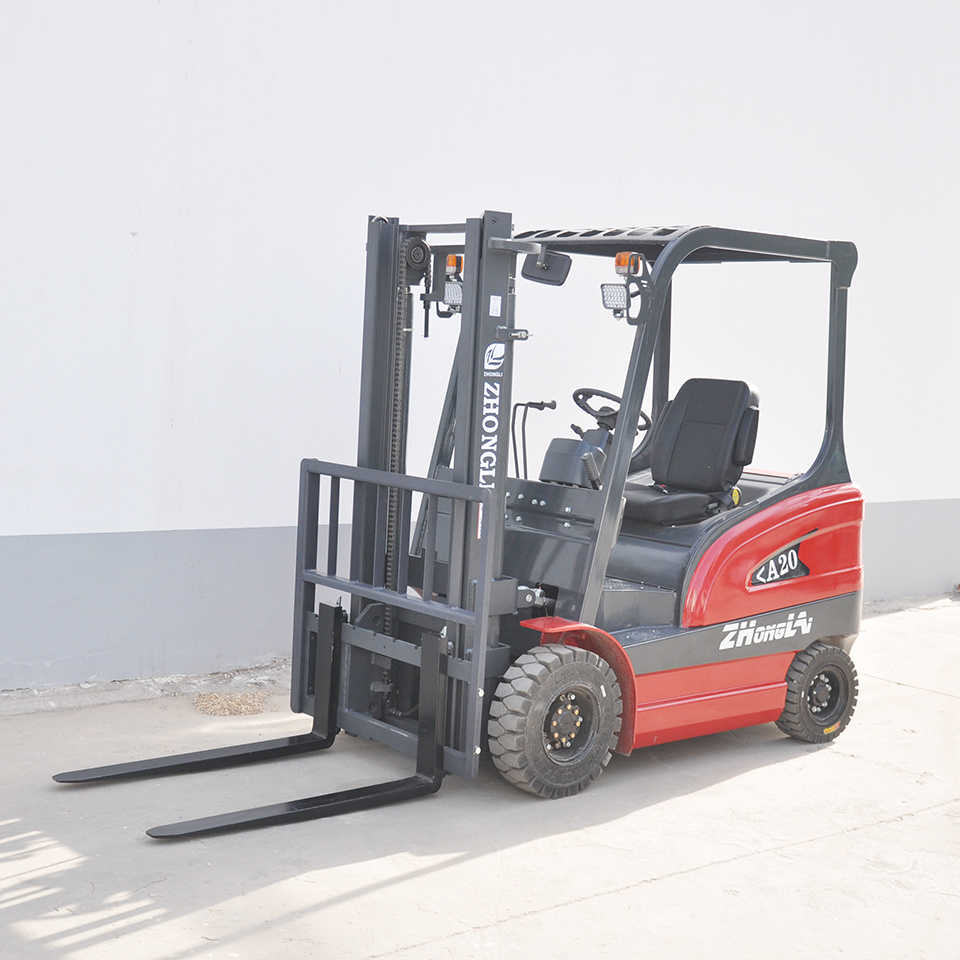
Electric portable forklifts are battery-powered material handling machines designed for ease of use and versatility. Unlike traditional forklifts, these electric models are compact, lightweight, and capable of navigating tight spaces. These features make them ideal for warehouses and distribution centers that require flexibility and efficiency.
Key Features of Electric Portable Forklifts
- Compact Design: Their smaller footprint allows them to operate in confined spaces, making them perfect for urban warehouses.
- High Maneuverability: Electric portable forklifts are designed to turn on a dime, enhancing productivity in busy environments.
- Environmentally Friendly: Being battery-operated, they produce zero emissions, making them a sustainable choice for eco-conscious businesses.
- Lower Operating Costs: With fewer moving parts and no need for fossil fuels, electric forklifts often have lower maintenance and operational costs.
- Quiet Operation: Their silent operation reduces noise pollution, creating a more pleasant working environment.
Benefits of Electric Portable Forklifts in Handling Seasonal Demand
Electric portable forklifts present a multitude of benefits for businesses dealing with seasonal demand fluctuations. Their design and capabilities uniquely position them to support operations during peak periods. Here are some of the key advantages:
1. Increased Efficiency in Material Handling
Electric portable forklifts facilitate faster loading and unloading processes, allowing warehouses to manage increased product turnover during peak seasons. Their ability to operate in narrow aisles means that more products can be stored and moved efficiently.
2. Flexibility to Scale Operations
During busy periods, businesses may need to recruit temporary staff to handle the increased workload. Electric portable forklifts are user-friendly and can be operated with minimal training, allowing new employees to quickly become productive.
3. Cost-Effectiveness
Businesses can save significantly on fuel and maintenance costs by using electric forklifts. The reduced energy consumption and lower wear-and-tear on equipment make them a financially sound choice, allowing companies to invest savings back into growth initiatives.
4. Enhanced Safety Features
Safety is paramount in any warehouse setting. Electric portable forklifts often come equipped with advanced safety features such as anti-tip technology, improved visibility, and automatic braking systems, significantly reducing the risk of accidents during busy periods.
Practical Applications of Electric Portable Forklifts
Electric portable forklifts are versatile tools that can be used in a variety of settings beyond just traditional warehouses. Here are some practical applications that highlight their effectiveness:
1. Retail Environments
In retail settings, particularly during holiday seasons, electric portable forklifts can assist in restocking shelves and managing inventory more efficiently. Their small size allows them to navigate crowded store aisles with ease.
2. Distribution Centers
Distribution centers can benefit from electric portable forklifts for their quick handling of incoming and outgoing goods. During peak shipping seasons, these forklifts can significantly improve throughput.
3. Manufacturing Facilities
In manufacturing, electric portable forklifts facilitate the movement of materials and finished products. Their flexibility allows them to adapt to changing production demands with minimal downtime.
4. Agricultural Operations
For agricultural businesses, electric portable forklifts are useful during harvest seasons for transporting goods from the field to storage. Their efficiency can help reduce spoilage and improve overall productivity.
Implementing Electric Portable Forklifts in Your Operations
To successfully integrate electric portable forklifts into your business, consider the following steps:
1. Assess Your Needs
Evaluate your current operations and identify areas where electric forklifts can add value. Consider factors such as the layout of your facility, the types of goods you handle, and peak demand periods.
2. Choose the Right Model
Research different models based on your specific requirements. Factors to consider include lifting capacity, battery life, and features like ergonomic controls.
3. Provide Training for Operators
Invest in training programs for your team to ensure they can operate the forklifts safely and effectively. A well-trained workforce is essential for maximizing efficiency and minimizing accidents.
4. Monitor Performance
After implementing electric portable forklifts, regularly monitor their performance and impact on your operations. Gather feedback from operators to make necessary adjustments and improvements.
Frequently Asked Questions (FAQs)
1. What is the difference between electric portable forklifts and traditional forklifts?
Electric portable forklifts are battery-powered, compact, and designed for efficiency in tight spaces, while traditional forklifts are often larger, gas-powered, and less maneuverable.
2. Are electric portable forklifts suitable for outdoor use?
While some electric portable forklifts can be used outdoors, it’s essential to check the manufacturer’s specifications, as many are designed primarily for indoor use.
3. What maintenance is required for electric portable forklifts?
Electric portable forklifts require regular battery maintenance, periodic checks on moving parts, and general cleaning to ensure optimal performance.
4. How long does the battery last on an electric portable forklift?
The battery life can vary significantly based on usage, but most high-quality batteries last between 6 to 8 hours on a single charge.
5. Can electric portable forklifts handle heavy loads?
Yes, electric portable forklifts come in various models capable of lifting different weight capacities, making them suitable for various applications.
Conclusion
Electric portable forklifts represent a powerful solution for businesses navigating the complexities of seasonal demand fluctuations. Their compact design, efficiency, and cost-effectiveness make them invaluable assets in modern warehousing and logistics operations. By investing in electric portable forklifts, companies can enhance their material handling capabilities, adapt more readily to sudden changes in demand, and ultimately provide better service to their customers. As the logistics landscape continues to evolve, adopting innovative machinery like electric portable forklifts will be essential for staying competitive and meeting the challenges of tomorrow.
Contact Us

Professional forklift manufacturer
Products Hotline:+86-19203299111
WhatsApp:+8613582499666
Email:sales@good-forklift.com
Wechat:+86-19203299111
Mobile website