

Understanding Electric Forklifts: The Advantages of a 2.5 Ton Model
Feb 27,2025
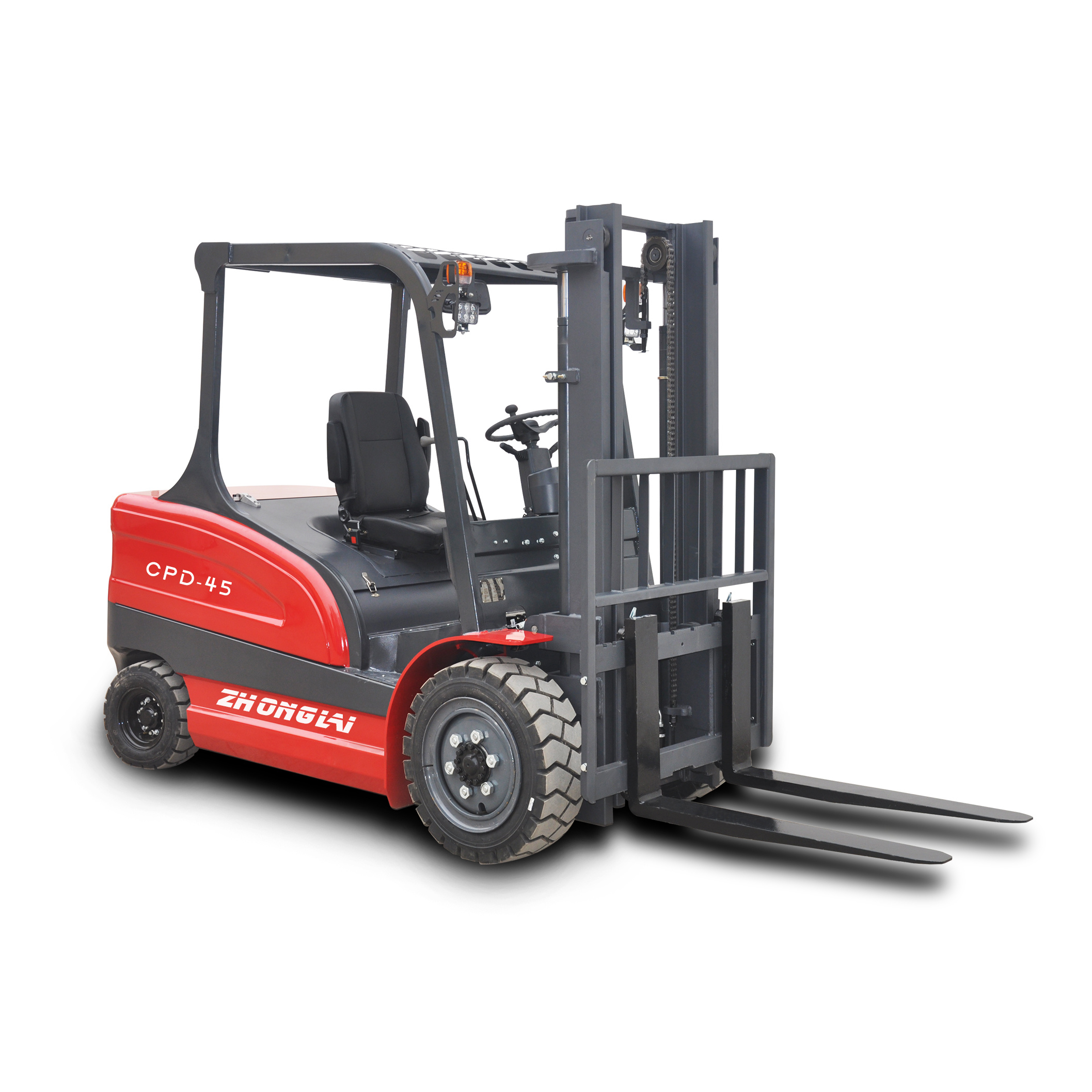
Electric forklifts have become increasingly popular in the transportation and warehousing sectors, primarily due to their efficiency and environmental benefits. Among the various models available, the 2.5 ton electric forklift stands out for its versatility and practicality. This article will discuss the key aspects of these machines, focusing on their operational advantages, cost-effectiveness, and maintenance requirements.
One of the primary benefits of a 2.5 ton electric forklift is its ability to operate in confined spaces. These forklifts are designed to be maneuverable, making them ideal for warehouses with narrow aisles and tight corners. Their compact design does not compromise on power, allowing them to handle heavy loads with ease. This makes electric forklifts suitable for various applications, from loading and unloading goods to transporting materials within a facility.
In addition to their size and maneuverability, 2.5 ton electric forklifts are renowned for their operational efficiency. Electric motors provide instant torque, allowing for smooth acceleration and deceleration. This feature not only enhances productivity but also minimizes the risk of accidents, as operators can control the machine more easily. Furthermore, electric forklifts are quieter than their internal combustion counterparts, contributing to a more pleasant working environment.
Another significant advantage of electric forklifts is their environmental impact. With the growing emphasis on sustainability, using electric forklifts aligns with eco-friendly practices. These machines produce zero exhaust emissions, making them suitable for indoor operations without compromising air quality. Additionally, the use of electric forklifts can contribute to a company’s corporate social responsibility (CSR) goals, as they demonstrate a commitment to reducing carbon footprints.
From a cost perspective, although the initial investment in a 2.5 ton electric forklift may be higher than traditional models, the long-term savings are noteworthy. Electric forklifts require less maintenance due to fewer moving parts and no need for oil changes. Their energy consumption is also lower, particularly when charged during off-peak hours, leading to reduced operational costs. Over time, these savings can significantly offset the initial purchase price.
However, it is essential to consider the charging infrastructure when integrating electric forklifts into your operations. Businesses should assess their facility's layout and operational schedules to ensure that charging stations are conveniently located. Additionally, training operators on proper charging practices can extend the life of the batteries and enhance efficiency.
In conclusion, a 2.5 ton electric forklift presents numerous advantages for businesses in the transportation and warehousing industries. Its operational efficiency, environmental benefits, and cost-effectiveness make it a compelling choice for companies looking to enhance their material handling capabilities. By investing in this technology, businesses can not only improve productivity but also contribute positively to sustainability efforts.
One of the primary benefits of a 2.5 ton electric forklift is its ability to operate in confined spaces. These forklifts are designed to be maneuverable, making them ideal for warehouses with narrow aisles and tight corners. Their compact design does not compromise on power, allowing them to handle heavy loads with ease. This makes electric forklifts suitable for various applications, from loading and unloading goods to transporting materials within a facility.
In addition to their size and maneuverability, 2.5 ton electric forklifts are renowned for their operational efficiency. Electric motors provide instant torque, allowing for smooth acceleration and deceleration. This feature not only enhances productivity but also minimizes the risk of accidents, as operators can control the machine more easily. Furthermore, electric forklifts are quieter than their internal combustion counterparts, contributing to a more pleasant working environment.
Another significant advantage of electric forklifts is their environmental impact. With the growing emphasis on sustainability, using electric forklifts aligns with eco-friendly practices. These machines produce zero exhaust emissions, making them suitable for indoor operations without compromising air quality. Additionally, the use of electric forklifts can contribute to a company’s corporate social responsibility (CSR) goals, as they demonstrate a commitment to reducing carbon footprints.
From a cost perspective, although the initial investment in a 2.5 ton electric forklift may be higher than traditional models, the long-term savings are noteworthy. Electric forklifts require less maintenance due to fewer moving parts and no need for oil changes. Their energy consumption is also lower, particularly when charged during off-peak hours, leading to reduced operational costs. Over time, these savings can significantly offset the initial purchase price.
However, it is essential to consider the charging infrastructure when integrating electric forklifts into your operations. Businesses should assess their facility's layout and operational schedules to ensure that charging stations are conveniently located. Additionally, training operators on proper charging practices can extend the life of the batteries and enhance efficiency.
In conclusion, a 2.5 ton electric forklift presents numerous advantages for businesses in the transportation and warehousing industries. Its operational efficiency, environmental benefits, and cost-effectiveness make it a compelling choice for companies looking to enhance their material handling capabilities. By investing in this technology, businesses can not only improve productivity but also contribute positively to sustainability efforts.
Contact Us

Professional forklift manufacturer
Products Hotline:+86-19203299111
WhatsApp:+8613582499666
Email:sales@good-forklift.com
Wechat:+86-19203299111
Mobile website