

How Electric Forklifts Are Revolutionizing Urban Logistics: A Comprehensive Analysis
Feb 26,2025
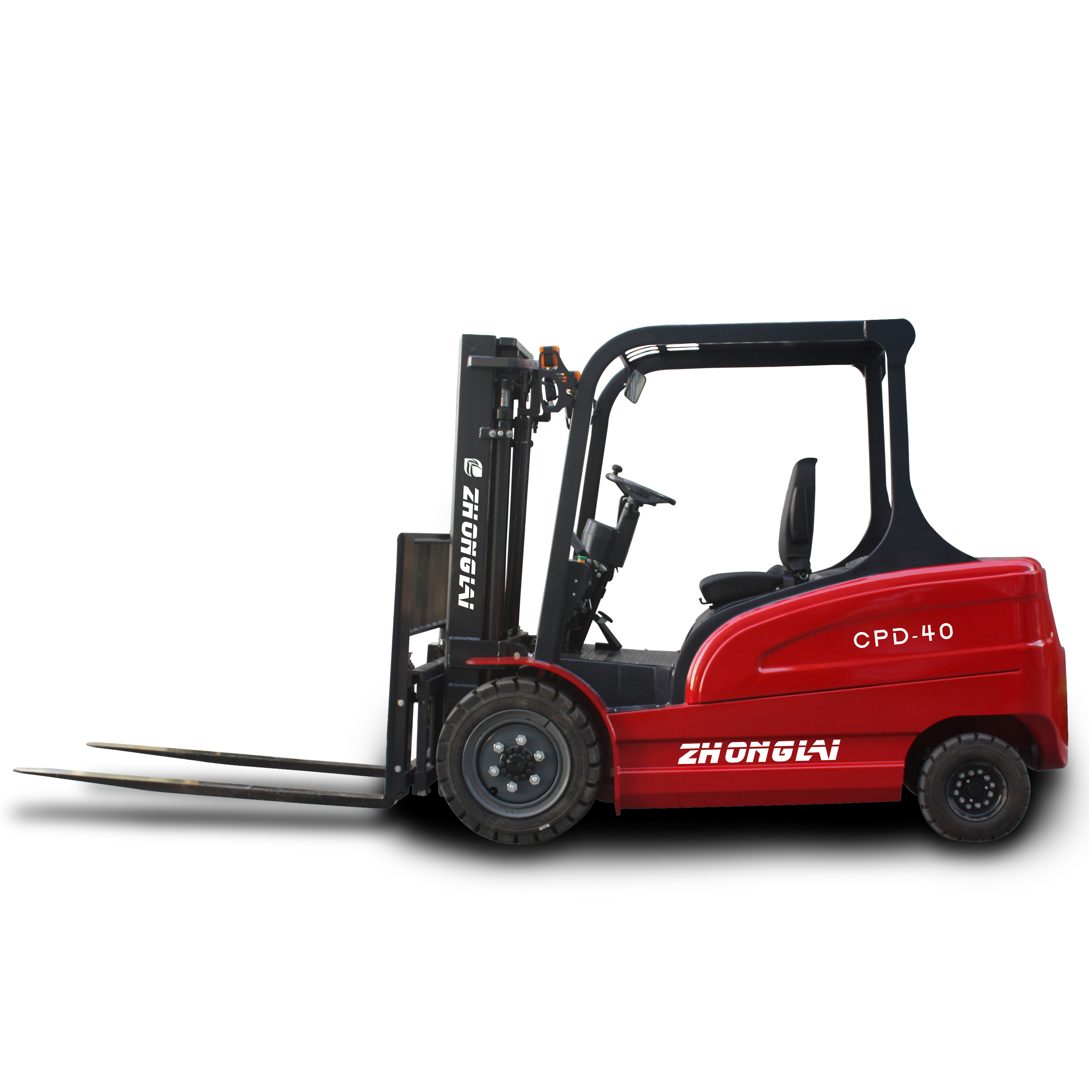
How Electric Forklifts Are Impacting Urban Logistics
Table of Contents
1. Introduction to Electric Forklifts in Urban Settings
2. The Role of Electric Forklifts in Urban Logistics
2.1. Efficiency Gains Through Automation
2.2. Environmental Benefits of Electric Forklifts
3. Key Features of Electric Forklifts
3.1. Power and Performance
3.2. Safety Features and Ergonomics
4. Case Studies: Successful Implementation of Electric Forklifts
4.1. Urban Warehousing Solutions
4.2. Last-Mile Delivery Innovations
5. Challenges and Considerations for Urban Logistics
5.1. Infrastructure Adaptations
5.2. Cost vs. Benefits Analysis
6. Future Trends in Electric Forklift Technology
7. Conclusion
8. FAQs
1. Introduction to Electric Forklifts in Urban Settings
Electric forklifts are becoming a pivotal component in the realm of urban logistics. These modern machines not only offer operational efficiency but also align with the growing need for sustainable practices in densely populated areas. As urban centers grapple with congestion and environmental concerns, the adoption of electric forklifts presents a practical solution that promises to reshape the logistics landscape.
2. The Role of Electric Forklifts in Urban Logistics
Electric forklifts seamlessly integrate into urban logistics by enhancing operational workflows and addressing environmental challenges. Their impact can be analyzed through several lenses.
2.1. Efficiency Gains Through Automation
Efficiency is paramount in urban logistics, where time constraints and space limitations are ever-present. Electric forklifts contribute to this efficiency by optimizing warehouse operations. With features like advanced battery management systems and regenerative braking, these forklifts require less downtime compared to their internal combustion counterparts. This translates to more productivity, allowing businesses to meet the rising demand for quick order fulfillment.
2.2. Environmental Benefits of Electric Forklifts
Sustainability is a critical concern in urban environments, where air quality is often compromised by emissions from traditional vehicles. Electric forklifts produce zero tailpipe emissions, significantly reducing the carbon footprint of logistics operations. Their use in warehouses and during last-mile deliveries contributes to cleaner air and supports compliance with environmental regulations, making them an attractive option for eco-conscious businesses.
3. Key Features of Electric Forklifts
Understanding the features of electric forklifts is essential to appreciate their role in urban logistics fully.
3.1. Power and Performance
Electric forklifts are equipped with powerful electric motors that offer comparable performance to diesel or LPG forklifts. Their ability to provide consistent torque ensures smooth operation, even in challenging urban environments. Additionally, the advancements in battery technology have enabled longer operational hours, minimizing the need for frequent recharging.
3.2. Safety Features and Ergonomics
Safety is paramount in any logistics operation. Modern electric forklifts come with advanced safety features, including stability control systems, automatic braking, and ergonomic designs that enhance operator comfort. These features reduce the risk of accidents, improving overall workplace safety. In urban settings where space is limited, the compact design of electric forklifts allows for maneuverability in tight spots.
4. Case Studies: Successful Implementation of Electric Forklifts
Several companies have successfully integrated electric forklifts into their urban logistics operations, showcasing the practical benefits of these machines.
4.1. Urban Warehousing Solutions
One notable example is a large retail chain that transitioned its urban warehouse fleet to electric forklifts. This change not only reduced operational costs but also resulted in a 30% decrease in emissions. The enhanced efficiency led to quicker loading and unloading times, which optimized the supply chain and improved customer satisfaction.
4.2. Last-Mile Delivery Innovations
Another successful case involved a logistics provider specializing in last-mile deliveries. By incorporating electric forklifts into their delivery fleet, they reduced their reliance on conventional delivery trucks, which helped mitigate congestion in city centers. This shift not only improved delivery times but also positively impacted the company’s public image as a green logistics provider.
5. Challenges and Considerations for Urban Logistics
Despite their numerous advantages, the integration of electric forklifts into urban logistics is not without its challenges.
5.1. Infrastructure Adaptations
Urban environments often lack the necessary infrastructure to support electric forklifts fully. This includes adequate charging stations and maintenance facilities. Companies must invest in this infrastructure to maximize the benefits of electric forklifts, which can present a significant initial cost.
5.2. Cost vs. Benefits Analysis
While electric forklifts can lead to savings in fuel and maintenance costs, the upfront investment can be a barrier for some businesses. Conducting a thorough cost-benefit analysis is crucial for companies to understand the long-term savings associated with reduced operational costs and increased efficiency.
6. Future Trends in Electric Forklift Technology
The future of electric forklifts in urban logistics is promising, with several trends emerging. Continued advancements in battery technology, such as solid-state batteries, promise longer operational times and shorter charging periods. Additionally, the integration of IoT technology is likely to enhance fleet management and operational oversight.
As cities continue to prioritize sustainability, the demand for electric forklifts is expected to increase. Businesses that invest now will position themselves as leaders in the evolving logistics landscape.
7. Conclusion
Electric forklifts are more than just a trend; they represent a fundamental shift in how urban logistics operates. By enhancing efficiency, reducing emissions, and promoting safety, these machines are well-equipped to meet the demands of modern cities. As we continue to face urbanization challenges, electric forklifts will play a crucial role in shaping sustainable logistics solutions.
8. FAQs
FAQ 1: What are the main advantages of electric forklifts in urban logistics?
Electric forklifts offer several advantages, including zero emissions, lower operational costs, and enhanced efficiency in warehouse operations.
FAQ 2: How do electric forklifts compare to traditional forklifts in terms of performance?
Electric forklifts provide comparable performance to traditional forklifts, with the added benefit of quieter operation and lower maintenance requirements.
FAQ 3: What challenges do companies face when implementing electric forklifts?
Challenges include the need for specialized infrastructure such as charging stations, initial investment costs, and the potential for limited range depending on battery technology.
FAQ 4: Are there any safety benefits associated with electric forklifts?
Yes, electric forklifts often come equipped with advanced safety features, including stability controls and ergonomic designs, which enhance operator safety.
FAQ 5: What is the future of electric forklift technology?
Future developments are expected to focus on advancements in battery technology and the integration of IoT for improved fleet management, making electric forklifts even more efficient and user-friendly.
Contact Us

Professional forklift manufacturer
Products Hotline:+86-19203299111
WhatsApp:+8613582499666
Email:sales@good-forklift.com
Wechat:+86-19203299111
Mobile website