

Enhancing Efficiency: Understanding Portable Electric Forklifts
Feb 06,2025
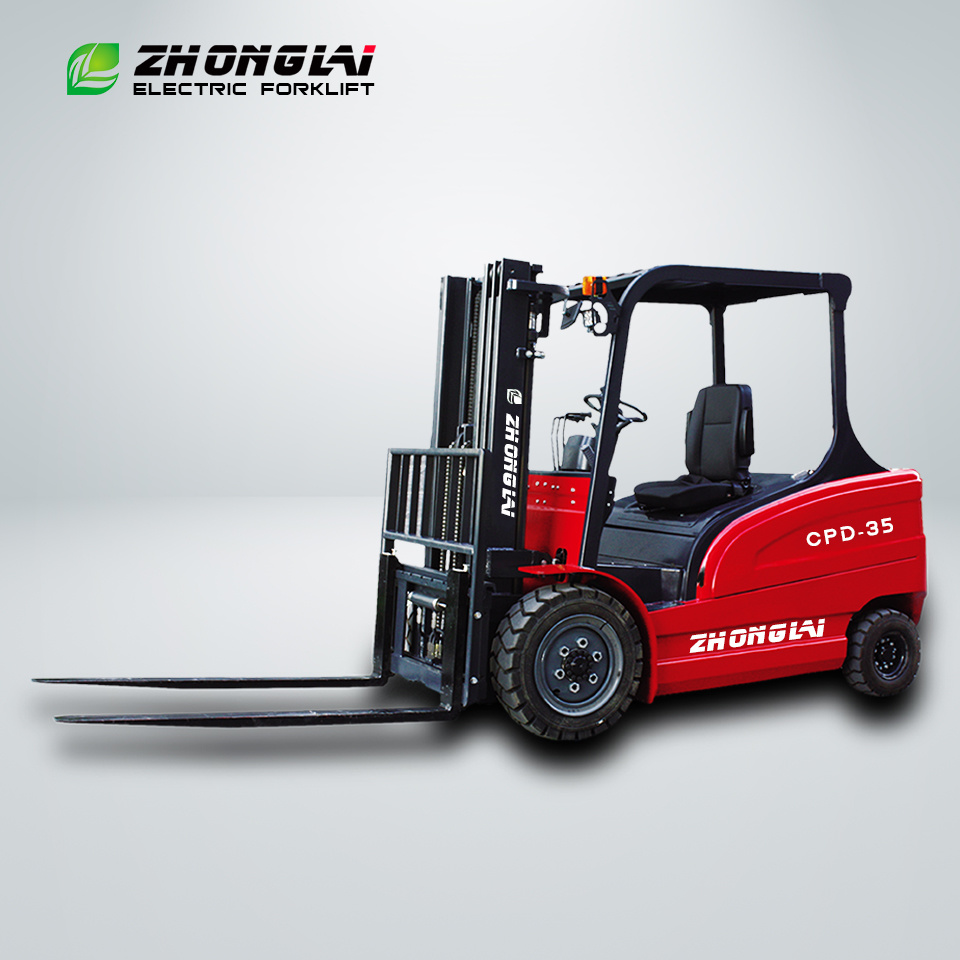
Portable electric forklifts have gained immense popularity in the logistics and warehousing industries due to their practicality and efficiency in moving goods. These compact, battery-operated machines are designed for versatility, making them suitable for various environments, including tight spaces and indoor areas where traditional forklifts may struggle.
One of the primary advantages of portable electric forklifts is their environmentally friendly nature. Unlike their gasoline or diesel counterparts, electric forklifts produce zero emissions during operation, making them a cleaner option for indoor usage. This feature not only contributes to a healthier workspace but also aligns with the growing emphasis on sustainability in business practices.
In terms of performance, portable electric forklifts are equipped with advanced technologies that enhance their operational capabilities. They typically feature easy maneuverability, allowing operators to navigate through narrow aisles and congested areas efficiently. Their compact size does not compromise their ability to lift substantial loads, making them an ideal choice for warehouses with limited space.
Another significant benefit of these forklifts is their low noise levels. Operating quietly is crucial, particularly in environments like retail stores and warehouses where noise pollution can impact both workers and customers. The silent operation of electric forklifts allows for a more pleasant working atmosphere, promoting productivity and employee satisfaction.
Battery life is a critical consideration for any electric forklift. Most portable electric forklifts come with rechargeable batteries that provide sufficient power for an entire work shift. Additionally, advancements in battery technology have led to faster charging times and longer-lasting performance, ensuring that these machines can be relied upon throughout the day.
Maintenance of portable electric forklifts is also generally simpler compared to traditional forklifts. Electric forklifts have fewer moving parts, which reduces the likelihood of mechanical failure. Moreover, maintenance tasks are often less frequent and less complex, resulting in lower overall operating costs for businesses.
In conclusion, portable electric forklifts offer a range of benefits that make them an attractive option for businesses in the transportation and warehousing sectors. Their environmentally friendly operation, ease of maneuverability, and low maintenance requirements contribute to improved efficiency and productivity. As industries continue to evolve, adopting these innovative machines can provide a competitive edge in material handling and logistics operations.
One of the primary advantages of portable electric forklifts is their environmentally friendly nature. Unlike their gasoline or diesel counterparts, electric forklifts produce zero emissions during operation, making them a cleaner option for indoor usage. This feature not only contributes to a healthier workspace but also aligns with the growing emphasis on sustainability in business practices.
In terms of performance, portable electric forklifts are equipped with advanced technologies that enhance their operational capabilities. They typically feature easy maneuverability, allowing operators to navigate through narrow aisles and congested areas efficiently. Their compact size does not compromise their ability to lift substantial loads, making them an ideal choice for warehouses with limited space.
Another significant benefit of these forklifts is their low noise levels. Operating quietly is crucial, particularly in environments like retail stores and warehouses where noise pollution can impact both workers and customers. The silent operation of electric forklifts allows for a more pleasant working atmosphere, promoting productivity and employee satisfaction.
Battery life is a critical consideration for any electric forklift. Most portable electric forklifts come with rechargeable batteries that provide sufficient power for an entire work shift. Additionally, advancements in battery technology have led to faster charging times and longer-lasting performance, ensuring that these machines can be relied upon throughout the day.
Maintenance of portable electric forklifts is also generally simpler compared to traditional forklifts. Electric forklifts have fewer moving parts, which reduces the likelihood of mechanical failure. Moreover, maintenance tasks are often less frequent and less complex, resulting in lower overall operating costs for businesses.
In conclusion, portable electric forklifts offer a range of benefits that make them an attractive option for businesses in the transportation and warehousing sectors. Their environmentally friendly operation, ease of maneuverability, and low maintenance requirements contribute to improved efficiency and productivity. As industries continue to evolve, adopting these innovative machines can provide a competitive edge in material handling and logistics operations.
PREVIOUS:
Contact Us

Professional forklift manufacturer
Products Hotline:+86-19203299111
WhatsApp:+8613582499666
Email:sales@good-forklift.com
Wechat:+86-19203299111
Mobile website