

Unleashing Efficiency: The Comprehensive Advantages of Portable Electric Forklifts
Feb 05,2025
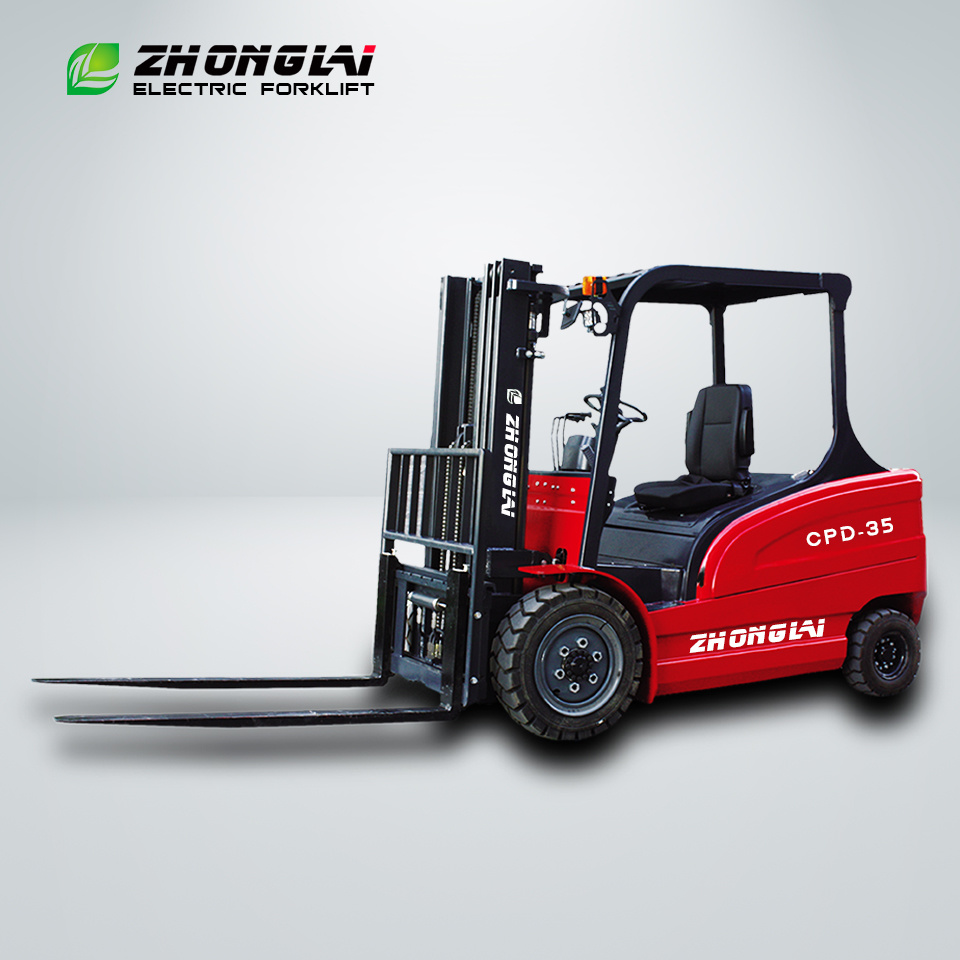
Unleashing Efficiency: The Comprehensive Advantages of Portable Electric Forklifts
In the fast-paced world of logistics and warehousing, efficiency is paramount. One of the key players in this domain is the portable electric forklift. These innovative machines are not just tools; they are crucial assets that can significantly enhance productivity, reduce costs, and promote a sustainable work environment. In this article, we explore the myriad advantages of portable electric forklifts and how they can transform your material handling operations.
Table of Contents
- 1. Introduction to Portable Electric Forklifts
- 2. How Portable Electric Forklifts Work
- 3. Key Advantages of Portable Electric Forklifts
- 3.1 Cost-Effectiveness
- 3.2 Environmental Sustainability
- 3.3 Space Efficiency
- 3.4 Low Noise Operation
- 3.5 Enhanced Maneuverability
- 4. Applications of Portable Electric Forklifts
- 5. Maintenance and Safety of Portable Electric Forklifts
- 6. The Future of Portable Electric Forklifts
- 7. Conclusion
1. Introduction to Portable Electric Forklifts
Portable electric forklifts are compact, electrically powered material handling machines designed to lift and transport heavy goods within warehouses, factories, and other industrial settings. Unlike traditional forklifts, these portable versions offer enhanced versatility, allowing operators to navigate tight spaces and handle various loads with ease. Their design incorporates advanced technology, making them an ideal choice for businesses seeking to boost their operational efficiency.
2. How Portable Electric Forklifts Work
At the heart of portable electric forklifts lies their electric powertrain, which drives the hydraulic systems necessary for lifting and lowering loads. Powered by rechargeable batteries, these machines eliminate the need for fossil fuels, significantly reducing operational costs. The intuitive controls provide operators with precise maneuverability, enabling safe and efficient handling of goods in congested environments.
3. Key Advantages of Portable Electric Forklifts
3.1 Cost-Effectiveness
One of the most compelling reasons to invest in portable electric forklifts is their cost-effectiveness. While the initial purchase price may be higher than that of traditional forklifts, the total cost of ownership tends to be lower. With fewer moving parts and less maintenance required, businesses can save considerably on repair and upkeep expenses. Additionally, the reliance on electricity rather than gasoline or diesel results in lower energy costs.
3.2 Environmental Sustainability
In an age where sustainability is crucial, portable electric forklifts stand out as eco-friendly alternatives. These forklifts produce zero emissions, contributing to cleaner air quality in warehouses and reducing the overall carbon footprint of logistics operations. Many companies are now prioritizing sustainability as part of their corporate responsibility, and adopting electric forklifts aligns perfectly with these goals.
3.3 Space Efficiency
Space is often at a premium in warehouses, and the compact design of portable electric forklifts allows for efficient use of available space. With smaller turning radii and the ability to maneuver in tight spots, these forklifts can operate effectively in narrow aisles or confined areas. This efficiency can lead to better space utilization, enabling businesses to store more products without the need for extensive expansions.
3.4 Low Noise Operation
Another significant advantage of portable electric forklifts is their low noise operation. Unlike traditional forklifts, which can be quite loud, electric models operate quietly, creating a more pleasant work environment. This reduced noise level can lead to higher employee satisfaction and productivity, making it easier for staff to communicate and focus on their tasks.
3.5 Enhanced Maneuverability
Portable electric forklifts excel in maneuverability, allowing operators to navigate through tight spaces with ease. Their design typically features a smaller footprint, which is beneficial in environments with limited space. Whether it’s moving through narrow aisles or maneuvering around obstacles, these forklifts can efficiently handle various tasks without compromising safety or stability.
4. Applications of Portable Electric Forklifts
Portable electric forklifts find applications across a multitude of industries. From retail warehouses to manufacturing facilities, these machines are versatile enough to handle various tasks:
- Warehousing and Distribution: Ideal for loading and unloading trucks and organizing inventory.
- Manufacturing: Useful for moving raw materials and finished products on the production floor.
- Construction: Effective in transporting materials to and from job sites.
- Retail: Streamlining stock replenishment and managing inventory in stores.
5. Maintenance and Safety of Portable Electric Forklifts
To ensure longevity and optimal performance, regular maintenance of portable electric forklifts is essential. Here are key maintenance tips:
- Battery Care: Regularly check battery levels and clean terminals to ensure efficient operation.
- Tire Inspection: Inspect tires for wear and tear, replacing them as necessary.
- Routine Checks: Conduct daily inspections to ensure all components are functioning correctly.
Safety is paramount when operating forklifts. Training for operators and adherence to safety guidelines can help prevent accidents and injuries. Key safety measures include:
- Providing thorough training for all operators.
- Implementing proper load handling techniques.
- Regularly reviewing safety protocols and compliance.
6. The Future of Portable Electric Forklifts
The future of portable electric forklifts looks promising, with advancements in technology driving innovation in this field. Features such as automated controls, improved battery technology, and telematics for tracking performance are becoming increasingly prevalent. As businesses continue to prioritize efficiency and sustainability, the demand for portable electric forklifts is expected to grow, creating more opportunities for manufacturers and users alike.
7. Conclusion
Portable electric forklifts are revolutionizing the material handling industry, offering a myriad of advantages that can lead to enhanced efficiency and cost savings. Their eco-friendly operation, maneuverability, and low maintenance needs make them an attractive choice for businesses aiming to optimize their logistics processes. As we move forward, embracing technology and innovation in material handling will be crucial, and portable electric forklifts are set to play a vital role in this transformation.
FAQs
1. What are the primary benefits of using portable electric forklifts?
Portable electric forklifts offer several benefits, including cost-effectiveness, environmental sustainability, low noise operation, and enhanced maneuverability, making them ideal for various applications.
2. How long do the batteries of portable electric forklifts last?
The lifespan of forklift batteries can vary, but with proper maintenance, they typically last between 5 to 7 years. Regular charging and care can further extend their life.
3. Can portable electric forklifts be used outdoors?
While portable electric forklifts are designed primarily for indoor use, some models are engineered for outdoor applications. It's essential to check the specifications to ensure suitability for outdoor conditions.
4. How do portable electric forklifts compare to traditional gas-powered forklifts?
Portable electric forklifts are generally quieter, more energy-efficient, and require less maintenance than traditional gas-powered forklifts. However, gas-powered models may have advantages in outdoor settings or heavier load capacities.
5. What safety features should I look for in portable electric forklifts?
When selecting portable electric forklifts, consider features such as stability controls, automatic shut-off systems, safety alarms, and ergonomic design to enhance operator safety and comfort.
Contact Us

Professional forklift manufacturer
Products Hotline:+86-19203299111
WhatsApp:+8613582499666
Email:sales@good-forklift.com
Wechat:+86-19203299111
Mobile website