

Streamlining Storage Solutions: Discover the Transformative Benefits of Electric Stackers in Material Handling
Oct 21,2024
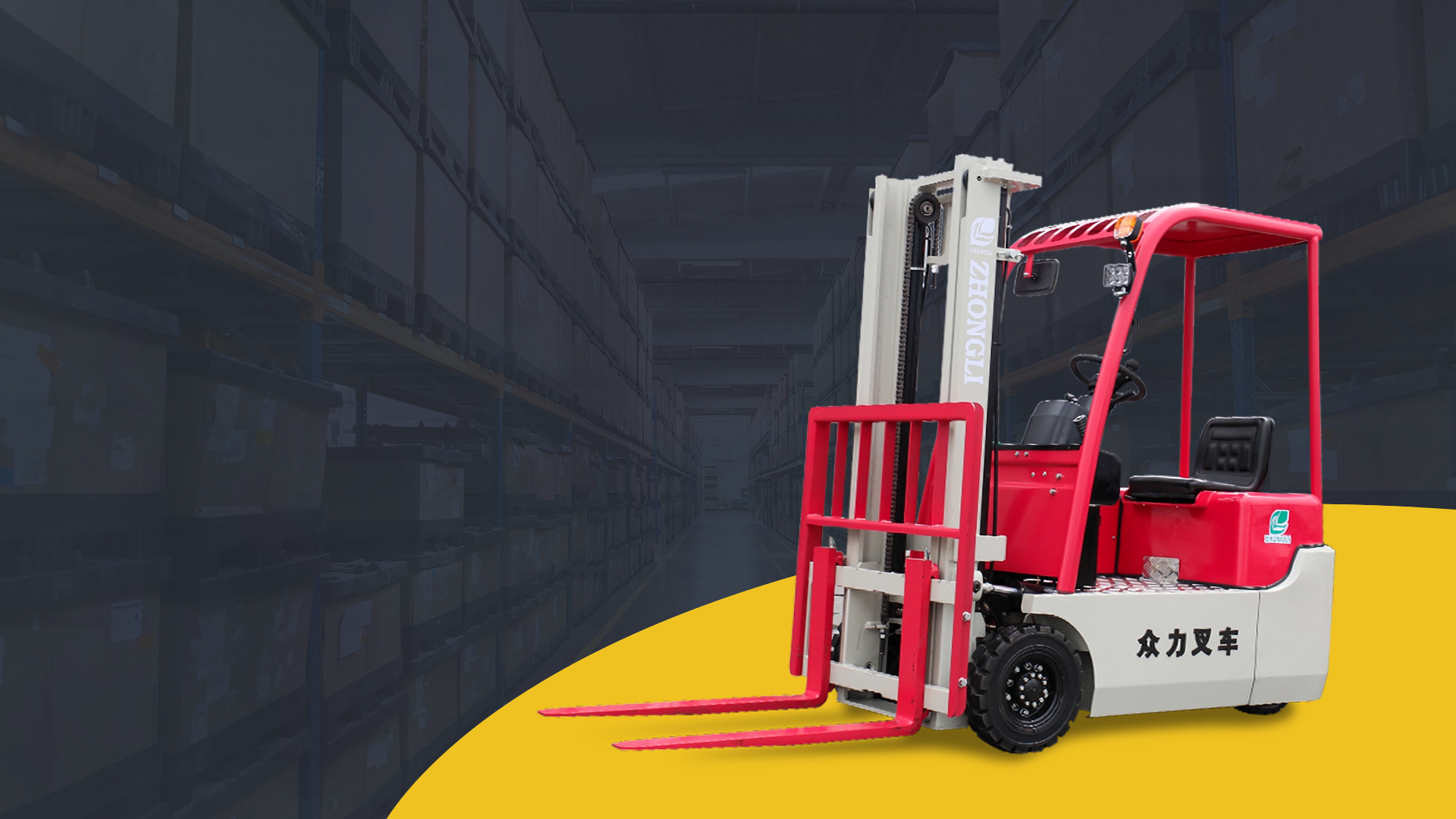
Streamlining Storage Solutions: The Benefits of Electric Stackers in Material Handling
Introduction to Material Handling and Storage Solutions
In today's fast-paced logistics and transportation industry, effective material handling is vital for operational success. Warehouses and storage facilities are constantly under pressure to optimize processes, minimize costs, and enhance safety. Electric stackers have emerged as a game-changing solution in this landscape, offering a range of benefits that streamline operations and improve overall efficiency.
Understanding Electric Stackers and Their Functionality
Electric stackers are versatile material handling equipment designed to lift, move, and stack goods efficiently. Unlike traditional forklifts, electric stackers are powered by electricity and are generally more compact, making them ideal for tight spaces in warehouses. Their design allows operators to easily maneuver through narrow aisles and congested areas, performing tasks that would otherwise require multiple manual efforts.
The Components of Electric Stackers
Electric stackers consist of several key components that contribute to their efficiency and effectiveness:
- **Mast**: The vertical assembly that lifts and lowers the load.
- **Forks**: Attachments that hold and stabilize the load while lifting.
- **Chassis**: The base that supports the stacker and houses the drive system.
- **Control System**: The interface used by operators to control the stacker's movements.
Types of Electric Stackers
Electric stackers come in various types to accommodate different operational needs:
- **Walkie Stackers**: These require the operator to walk beside the equipment, making them suitable for smaller spaces.
- **Ride-On Stackers**: These allow operators to ride on the stacker, providing greater efficiency for larger tasks.
- **Semi-automated Stackers**: These incorporate advanced technology to enhance ease of use and reduce physical strain on operators.
The Benefits of Electric Stackers in Material Handling
1. Increased Productivity and Efficiency
Electric stackers dramatically enhance productivity in material handling operations. Their compact design allows for quick maneuverability, enabling operators to complete tasks faster. Additionally, electric stackers can lift heavier loads with minimal effort, which reduces bottlenecks and speeds up the movement of goods within a facility.
2. Cost Savings Through Energy Efficiency
Utilizing electric stackers can lead to significant cost savings for businesses. These machines are more energy-efficient compared to their gas or diesel counterparts. Electric stackers require less maintenance and have lower operational costs, as electricity is often cheaper than fuel. By investing in electric stackers, companies can reduce their overall operational expenses and improve their bottom line.
3. Enhanced Safety Features
Safety is a critical concern in any material handling environment. Electric stackers come equipped with various safety features designed to protect operators and other personnel. These include:
- **Lower Noise Levels**: Electric stackers operate more quietly than traditional forklifts, reducing noise pollution in the workplace.
- **Automatic Braking Systems**: Many electric stackers include features that automatically engage brakes when the operator releases the controls, minimizing the risk of accidents.
- **Improved Visibility**: The design of electric stackers often provides better visibility for operators, allowing for safer navigation and reduced risk of collisions.
4. Environmentally Friendly Solution
As businesses increasingly focus on sustainability, electric stackers provide an eco-friendly alternative to traditional forklifts. They produce zero emissions during operation and reduce the carbon footprint of material handling activities. By adopting electric stackers, companies can align with environmentally responsible practices and contribute to a healthier planet.
5. Versatility Across Various Industries
Electric stackers are highly versatile and can be utilized across a wide range of industries, including logistics, retail, manufacturing, and food service. Their adaptability makes them suitable for various tasks, from stacking goods on shelves to loading and unloading trucks.
Applications of Electric Stackers in Material Handling
1. Warehousing and Distribution Centers
In warehousing and distribution centers, electric stackers play a crucial role in inventory management and Order Fulfillment processes. They can efficiently navigate narrow aisles and handle a variety of load sizes, making them ideal for storing and retrieving products.
2. Retail Environments
Electric stackers are increasingly being used in retail environments where goods need to be moved quickly and efficiently. Their compact size allows them to operate in limited spaces, ensuring that stock is always accessible to meet customer demands.
3. Manufacturing Facilities
In manufacturing facilities, electric stackers streamline the movement of raw materials and finished products. They help maintain an organized workflow, allowing for quicker production cycles and improved overall efficiency.
4. Cold Storage Facilities
Electric stackers, especially those designed for low temperatures, are essential in cold storage facilities. They help maintain the integrity of temperature-sensitive products while providing the necessary lifting capabilities to manage inventory effectively.
Key Considerations When Choosing Electric Stackers
1. Load Capacity Requirements
Before investing in electric stackers, it is essential to assess the load capacity requirements of your operations. Different models come with varying weight limits, so choosing a stacker that can handle your specific workload is critical.
2. Battery Life and Charging Options
The battery life of electric stackers is a significant factor in their performance. Ensure that the model you choose has sufficient battery life to meet your operational demands. Additionally, consider the charging options available to minimize downtime during operations.
3. Ergonomics and Operator Comfort
Ergonomics should be a priority when selecting electric stackers. Evaluate the design of the controls, the operator's position, and other ergonomic features that contribute to operator comfort and safety.
4. Maintenance and Support Services
Investing in electric stackers also requires consideration of ongoing maintenance. Choose a supplier that offers reliable support services and maintenance plans to ensure your equipment remains in optimal working condition.
FAQs About Electric Stackers
1. What are electric stackers, and how do they work?
Electric stackers are powered material handling equipment designed to lift and move goods with ease. They operate using electric motors that provide the necessary power for lifting loads.
2. Are electric stackers suitable for outdoor use?
While electric stackers are primarily designed for indoor use, some models are rugged enough to handle outdoor applications. It's important to verify specifications before using them outside.
3. How do electric stackers compare to traditional forklifts?
Electric stackers are generally more compact, energy-efficient, and quieter than traditional forklifts. They are also easier to maneuver in tight spaces, making them ideal for indoor operations.
4. What is the average lifespan of an electric stacker?
The lifespan of an electric stacker can vary based on usage and maintenance, but with proper care, they can last anywhere from 5 to 15 years.
5. Can electric stackers be customized for specific tasks?
Yes, many manufacturers offer customizable options for electric stackers, allowing businesses to tailor the equipment to their unique operational needs.
Conclusion
Electric stackers have revolutionized the material handling industry by providing efficient, safe, and environmentally friendly solutions for businesses. Their numerous advantages—ranging from enhanced productivity and cost savings to versatility and safety—make them an essential investment for modern warehouses and storage facilities. By understanding the benefits and applications of electric stackers, businesses can make informed decisions that lead to streamlined operations and improved overall performance. Embracing this technology not only helps in meeting current demands but also prepares organizations for future growth and sustainability in the ever-evolving logistics landscape.
Contact Us

Professional forklift manufacturer
Products Hotline:+86-19203299111
WhatsApp:+8613582499666
Email:sales@good-forklift.com
Wechat:+86-19203299111
Mobile website