

Understanding Electric Stacker Forklift Trucks: Efficiency in Material Handling
Oct 20,2024
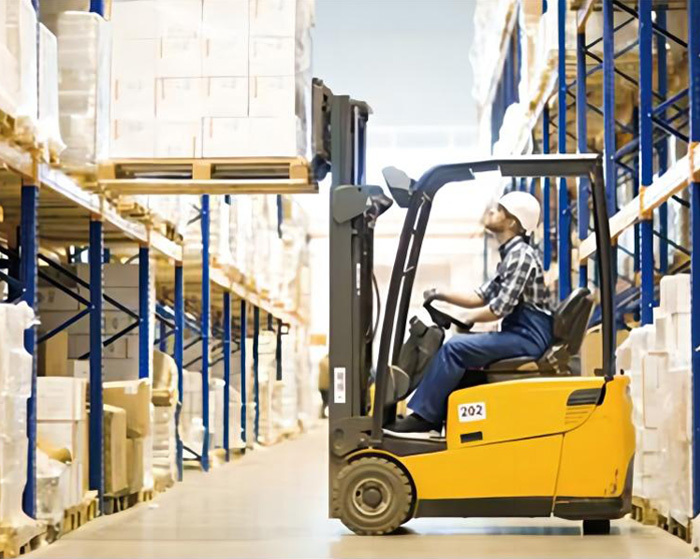
Electric stacker forklift trucks have emerged as versatile solutions for material handling in warehouses and distribution centers. These electric-powered machines are designed to lift, stack, and transport goods, making them an integral part of modern logistics operations. With advancements in technology, electric stacker forklifts have gained popularity due to their efficiency, ease of use, and environmental benefits.
One of the primary advantages of electric stacker forklift trucks is their operational efficiency. Unlike their internal combustion counterparts, electric models produce zero emissions during operation, making them suitable for indoor environments where air quality is a concern. Additionally, these forklifts are quieter, which enhances the working atmosphere for employees.
Electric stackers are equipped with advanced battery systems that allow for longer operational times and quicker charging intervals. This feature minimizes downtime and increases productivity, as businesses can rely on these machines for extended periods without frequent recharging. Many models also come with regenerative braking systems, which help conserve energy and extend battery life, further enhancing their efficiency.
The design of electric stacker forklift trucks is optimized for maneuverability in tight spaces. Their compact size allows operators to navigate narrow aisles and crowded areas safely, making them ideal for warehouses with high-density storage. The ability to lift loads to significant heights while maintaining stability is another key feature that distinguishes electric stackers from other material handling equipment.
Safety is a critical aspect of using electric stacker forklift trucks. Many models are equipped with advanced safety features, such as automatic braking systems, anti-tip mechanisms, and ergonomic controls that help reduce operator fatigue. Training users on proper operating procedures is essential to ensure a safe working environment.
In terms of maintenance, electric stacker forklift trucks require less frequent servicing compared to traditional gas-powered forklifts. The absence of complex engines leads to lower maintenance costs and fewer mechanical failures. Regular battery maintenance, such as checking fluid levels and connections, is vital to prolonging the life of the forklift.
Furthermore, the versatility of electric stackers extends beyond simple lifting tasks. They can be used for various applications, including order picking, inventory management, and transportation of goods across different warehouse zones. This flexibility makes them a valuable asset for businesses looking to streamline their operations and improve efficiency.
In conclusion, the adoption of electric stacker forklift trucks presents numerous benefits for companies involved in transportation and warehousing. Their efficiency, safety features, and low environmental impact make them an ideal choice for modern material handling solutions. By investing in electric stackers, businesses can enhance productivity, ensure a safer work environment, and contribute to sustainability efforts in the logistics industry.
One of the primary advantages of electric stacker forklift trucks is their operational efficiency. Unlike their internal combustion counterparts, electric models produce zero emissions during operation, making them suitable for indoor environments where air quality is a concern. Additionally, these forklifts are quieter, which enhances the working atmosphere for employees.
Electric stackers are equipped with advanced battery systems that allow for longer operational times and quicker charging intervals. This feature minimizes downtime and increases productivity, as businesses can rely on these machines for extended periods without frequent recharging. Many models also come with regenerative braking systems, which help conserve energy and extend battery life, further enhancing their efficiency.
The design of electric stacker forklift trucks is optimized for maneuverability in tight spaces. Their compact size allows operators to navigate narrow aisles and crowded areas safely, making them ideal for warehouses with high-density storage. The ability to lift loads to significant heights while maintaining stability is another key feature that distinguishes electric stackers from other material handling equipment.
Safety is a critical aspect of using electric stacker forklift trucks. Many models are equipped with advanced safety features, such as automatic braking systems, anti-tip mechanisms, and ergonomic controls that help reduce operator fatigue. Training users on proper operating procedures is essential to ensure a safe working environment.
In terms of maintenance, electric stacker forklift trucks require less frequent servicing compared to traditional gas-powered forklifts. The absence of complex engines leads to lower maintenance costs and fewer mechanical failures. Regular battery maintenance, such as checking fluid levels and connections, is vital to prolonging the life of the forklift.
Furthermore, the versatility of electric stackers extends beyond simple lifting tasks. They can be used for various applications, including order picking, inventory management, and transportation of goods across different warehouse zones. This flexibility makes them a valuable asset for businesses looking to streamline their operations and improve efficiency.
In conclusion, the adoption of electric stacker forklift trucks presents numerous benefits for companies involved in transportation and warehousing. Their efficiency, safety features, and low environmental impact make them an ideal choice for modern material handling solutions. By investing in electric stackers, businesses can enhance productivity, ensure a safer work environment, and contribute to sustainability efforts in the logistics industry.
Contact Us

Professional forklift manufacturer
Products Hotline:+86-19203299111
WhatsApp:+8613582499666
Email:sales@good-forklift.com
Wechat:+86-19203299111
Mobile website