

Common Misconceptions About Electric Forklift Stackers Debunked: A Comprehensive Guide
Sep 18,2026
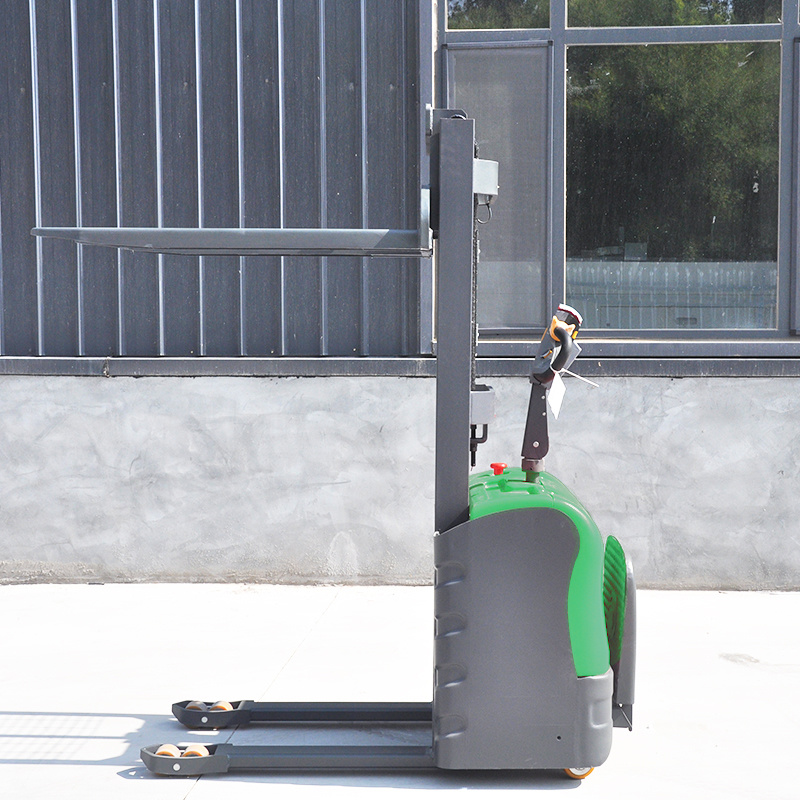
Common Misconceptions About Electric Forklift Stackers Debunked: A Comprehensive Guide
Table of Contents
- 1. Introduction to Electric Forklift Stackers
- 2. Common Misconceptions and Myths
- 2.1 Myth 1: Electric Forklift Stackers Are Less Powerful
- 2.2 Myth 2: They Have Shorter Lifespans
- 2.3 Myth 3: Charging Takes Too Long
- 2.4 Myth 4: Electric Forklift Stackers Are Not Suitable for Outdoor Use
- 2.5 Myth 5: Higher Maintenance Costs
- 3. Advantages of Electric Forklift Stackers
- 4. Applications in Various Industries
- 5. Safety Considerations
- 6. The Future of Electric Forklift Stackers
- 7. Conclusion
- 8. Frequently Asked Questions
1. Introduction to Electric Forklift Stackers
Electric forklift stackers have revolutionized the materials handling industry by providing efficient, eco-friendly, and versatile solutions for warehousing and logistics. As businesses strive to enhance productivity and sustainability, electric stackers have emerged as a preferred choice due to their numerous advantages over traditional internal combustion forklifts. However, despite their growing popularity, several **common misconceptions** persist that can cloud judgment and decision-making.
In this detailed guide, we aim to debunk prevalent myths about electric forklift stackers, shedding light on their true capabilities, advantages, and applications in various industries.
2. Common Misconceptions and Myths
While electric forklift stackers offer numerous benefits, several misconceptions hinder their acceptance and adoption in the industry. Let's explore these myths in detail.
2.1 Myth 1: Electric Forklift Stackers Are Less Powerful
One of the most widespread misconceptions is that electric forklift stackers lack the power necessary for heavy lifting and demanding applications. However, modern electric stackers are equipped with advanced electric drive systems that deliver impressive torque and lifting capacities, often matching or exceeding those of their internal combustion counterparts.
In fact, electric stackers are designed to handle loads ranging from 1,500 to 5,000 pounds, making them suitable for various tasks in warehouses and distribution centers. The precision control offered by electric systems enables operators to handle loads with exceptional accuracy, even in tight spaces.
2.2 Myth 2: They Have Shorter Lifespans
Another common belief is that electric forklift stackers have a shorter lifespan compared to traditional forklifts. This perception stems from outdated information regarding battery technology and overall durability.
Contemporary electric stackers are built with robust materials and feature advanced battery management systems that optimize performance and longevity. With proper maintenance and care, electric stackers can easily last 10,000 hours or more, similar to internal combustion forklifts. Moreover, advancements in lithium-ion battery technology are further enhancing lifespan and efficiency.
2.3 Myth 3: Charging Takes Too Long
Many potential users are deterred by the notion that charging electric forklift stackers is a time-consuming process. While it's true that traditional lead-acid batteries may require longer charging times, advancements in charging technology have significantly reduced downtime.
Fast-charging options and opportunity charging allow businesses to charge their stackers during breaks or shifts without interrupting workflow. Furthermore, lithium-ion batteries charge quickly, often reaching 80% capacity in just an hour. This flexibility ensures that electric stackers remain operational when needed.
2.4 Myth 4: Electric Forklift Stackers Are Not Suitable for Outdoor Use
Many believe electric stackers are only viable for indoor use due to concerns about battery performance and exposure to the elements. However, several electric forklift stackers are specifically designed for outdoor applications, featuring enhanced durability and weather resistance.
Models equipped with sealed components and protective coverings can withstand rain, dust, and other outdoor conditions without compromising performance. Businesses operating in logistics, construction, or any outdoor environment can benefit from the versatility of electric stackers.
2.5 Myth 5: Higher Maintenance Costs
The belief that electric forklift stackers incur higher maintenance costs compared to internal combustion forklifts is another misconception. In reality, electric stackers generally have fewer moving parts, resulting in lower maintenance requirements overall.
While battery maintenance is essential, the costs associated with electric stackers often pale in comparison to the fuel, oil changes, and more complex mechanical maintenance required for gas-powered forklifts. Additionally, the long-term savings from energy efficiency and lower operational costs contribute to the overall cost-effectiveness of electric stackers.
3. Advantages of Electric Forklift Stackers
Understanding the misconceptions surrounding electric forklift stackers allows us to appreciate their numerous advantages. Here are some key benefits that make them an attractive choice:
3.1 Eco-Friendly Operation
Electric forklift stackers produce zero emissions, making them a sustainable option for environmentally conscious businesses. By using electric stackers, companies can reduce their carbon footprint while contributing to a cleaner environment.
3.2 Cost Efficiency
Although the initial investment may be slightly higher, electric stackers often lead to significant savings in operational costs. They are cheaper to run than gas-powered forklifts, with lower energy costs and reduced maintenance requirements.
3.3 Noise Reduction
Electric stackers operate quietly, which is particularly advantageous in settings where noise levels should be kept to a minimum. This feature enhances the working environment, benefiting both employees and nearby operations.
3.4 Enhanced Maneuverability
Electric stackers offer superior maneuverability, making them ideal for tight spaces and narrow aisles. Their compact design allows for efficient operation in crowded warehouses and distribution centers.
4. Applications in Various Industries
Electric forklift stackers are versatile machines used across various industries, including:
4.1 Warehousing and Distribution
In warehouses, electric stackers facilitate the efficient movement of goods, optimizing storage space and enhancing order fulfillment speed.
4.2 Retail Environments
Retailers often utilize electric stackers for inventory management, allowing employees to restock shelves and organize products with ease.
4.3 Manufacturing
In manufacturing settings, electric stackers assist in transporting materials to and from production lines, streamlining operations and reducing manual labor.
4.4 Food and Beverage
Electric stackers are commonly used in the food and beverage industry for handling perishable goods, ensuring compliance with hygiene standards due to their clean operation.
5. Safety Considerations
When operating electric forklift stackers, safety should always be a priority. Here are several considerations to keep in mind:
5.1 Operator Training
Proper training is vital for all operators to ensure safe and effective use of electric stackers. Companies should provide comprehensive training programs that cover safety protocols and operational guidelines.
5.2 Regular Inspections
Conducting regular inspections of electric stackers helps identify potential issues before they become significant problems. Routine maintenance ensures that equipment remains in optimal working condition.
5.3 Safety Features
Many electric stackers come equipped with safety features, such as sensors, automatic brakes, and stability controls. Familiarizing operators with these features can enhance workplace safety.
6. The Future of Electric Forklift Stackers
The future of electric forklift stackers is bright, with continued advancements in technology leading to improvements in performance, efficiency, and sustainability. As businesses increasingly prioritize eco-friendly practices, the demand for electric stackers is likely to rise.
Innovations in battery technology, such as solid-state batteries and wireless charging, promise to enhance the efficiency and usability of electric forklift stackers further. As manufacturers continue to invest in research and development, we can expect electric stackers to become an even more integral part of modern logistics and warehousing.
7. Conclusion
Electric forklift stackers represent a significant advancement in materials handling technology, providing reliable, efficient, and environmentally friendly solutions for a range of applications. By debunking the common misconceptions surrounding electric stackers, we can better appreciate their advantages and encourage their adoption across various industries.
As businesses strive for greater efficiency and sustainability, electric forklift stackers will undoubtedly play a crucial role in shaping the future of logistics and warehousing.
8. Frequently Asked Questions
8.1 What is the average lifespan of an electric forklift stacker?
The average lifespan of an electric forklift stacker can range from 10,000 to 15,000 hours, depending on usage, maintenance, and care.
8.2 Are electric forklift stackers suitable for outdoor use?
Yes, many electric forklift stackers are designed for outdoor use with weather-resistant features, making them suitable for various environments.
8.3 How long does it take to charge an electric forklift stacker?
Charging times vary depending on the battery type. Lithium-ion batteries can charge to 80% in about an hour, while lead-acid batteries may take several hours.
8.4 What maintenance is required for electric forklift stackers?
Regular maintenance for electric stackers includes battery checks, inspections of moving parts, and ensuring all safety features are functioning correctly.
8.5 Can electric forklift stackers operate in cold temperatures?
Yes, electric forklift stackers can operate in cold temperatures, but it’s essential to ensure the batteries are appropriately maintained to prevent performance issues in extreme conditions.
Contact Us

Professional forklift manufacturer
Products Hotline:+86-19203299111
WhatsApp:+8613582499666
Email:sales@good-forklift.com
Wechat:+86-19203299111
Mobile website