

The Role of Electric Forklift Stackers in Automation Strategies: Revolutionizing Material Handling
Aug 13,2026
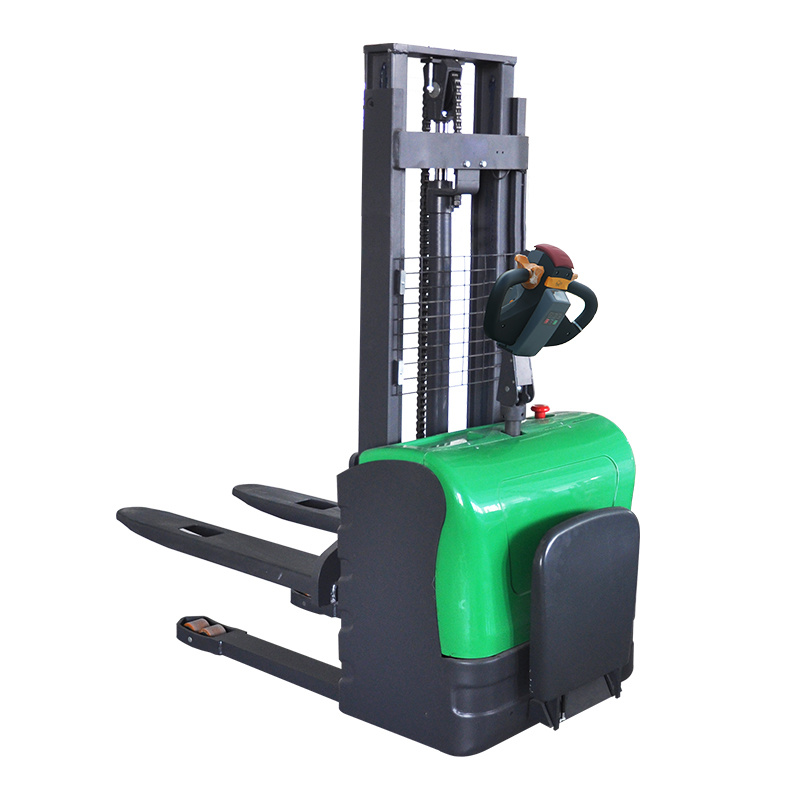
The Role of Electric Forklift Stackers in Automation Strategies
Table of Contents
- 1. Introduction to Electric Forklift Stackers
- 2. Understanding Automation in Material Handling
- 3. The Importance of Electric Forklift Stackers in Automation
- 4. Benefits of Electric Forklift Stackers in Automated Environments
- 5. Applications of Electric Forklift Stackers in Various Industries
- 6. Future Trends in Electric Forklift Stackers and Automation
- 7. Challenges in Implementing Electric Forklift Stackers
- 8. Conclusion
- 9. FAQs
1. Introduction to Electric Forklift Stackers
Electric forklift stackers represent a significant advancement in material handling technology. Designed to lift, move, and stack goods efficiently, these machines play a crucial role in modern logistics and warehouse management. With the shift toward automation, electric forklift stackers are becoming indispensable assets in optimizing warehouse operations.
In recent years, the demand for automation in industries has surged. Companies are increasingly adopting innovative technologies to enhance operational efficiency. Electric forklift stackers are at the forefront of this transformation, facilitating seamless material handling processes.
2. Understanding Automation in Material Handling
Automation refers to the use of technology to perform tasks with minimal human intervention. In material handling, automation encompasses a range of technologies, from automated guided vehicles (AGVs) to robotic arms. Electric forklift stackers fit within this ecosystem by offering a combination of manual operation support and automated functionalities.
Automation in material handling improves accuracy, reduces labor costs, and enhances safety. With the rise of e-commerce and globalization, the need for efficient warehousing solutions has never been greater. Electric forklift stackers help meet this demand by streamlining processes and supporting automated workflows.
3. The Importance of Electric Forklift Stackers in Automation
Electric forklift stackers are vital components of automated material handling strategies. Their ability to operate in tight spaces, handle heavy loads, and integrate with various technologies makes them indispensable. By incorporating electric stackers into their operations, businesses can realize numerous benefits.
Key reasons for the importance of electric forklift stackers in automation include:
- **Versatility**: Electric stackers can navigate confined areas and handle diverse types of materials.
- **Integration**: They can seamlessly integrate with warehouse management systems (WMS) and other automated solutions.
- **Sustainability**: Electric stackers produce fewer emissions compared to their gas or diesel counterparts, aligning with sustainability goals.
4. Benefits of Electric Forklift Stackers in Automated Environments
Electric forklift stackers offer a myriad of advantages that contribute to the overall optimization of automated logistics. Let's explore these benefits in more detail.
4.1 Efficiency and Productivity
One of the primary benefits of electric forklift stackers is their ability to enhance efficiency and productivity. These machines can operate at high speeds while accurately lifting and moving loads. With features such as automatic height adjustment and advanced navigation systems, electric stackers significantly reduce the time spent on material handling tasks.
Additionally, electric stackers offer ergonomic designs that minimize operator fatigue, leading to improved productivity levels. By integrating electric stackers into automated systems, businesses can maintain a steady flow of operations, reducing downtime and increasing throughput.
4.2 Enhanced Safety Features
Safety is paramount in any warehouse environment, and electric forklift stackers are designed with various safety features. These include:
- **Stability Control Systems**: To prevent tipping during operation.
- **Advanced Sensors**: To detect obstacles and prevent collisions.
- **Operator Assistance Technologies**: Such as automatic braking and speed regulation.
These features not only protect the operators but also safeguard the goods being handled. By minimizing accidents and injuries, electric fork stackers contribute to a safer workplace.
4.3 Cost-Effectiveness
Investing in electric forklift stackers can lead to significant cost savings over time. Although the initial purchase price may be higher than traditional forklifts, the long-term benefits outweigh the costs. Electric stackers require less maintenance, have lower operating costs, and consume less energy, resulting in substantial savings for businesses.
Moreover, the increased efficiency and productivity translate to higher output, allowing companies to maximize their return on investment (ROI). In an era where cost management is critical, electric forklift stackers provide a viable solution.
5. Applications of Electric Forklift Stackers in Various Industries
Electric forklift stackers are versatile machines used across various industries. Their adaptability makes them suitable for numerous applications. Here are some key industries benefiting from electric stackers:
- **Retail and E-commerce**: Electric stackers streamline inventory management and order fulfillment processes, ensuring quick delivery times.
- **Manufacturing**: Used in assembly lines and warehouses, electric stackers facilitate efficient material movement and storage, improving production flow.
- **Food and Beverage**: Electric stackers assist in handling perishable goods while adhering to safety standards and protocols.
- **Pharmaceuticals**: In this highly regulated industry, electric stackers help maintain the integrity of products during transport and storage.
Each of these applications illustrates the vital role electric forklift stackers play in enhancing automation strategies across various sectors.
6. Future Trends in Electric Forklift Stackers and Automation
The future of electric forklift stackers is closely intertwined with advancements in automation technologies. Several trends are emerging that will shape the landscape of material handling:
- **IoT Integration**: With the Internet of Things (IoT), electric stackers will become smarter, enabling better data tracking and management.
- **Increased Autonomy**: The development of fully autonomous electric stackers will further minimize human intervention, enhancing efficiency.
- **Advanced Battery Technologies**: Innovations in battery technologies will lead to longer-lasting and faster-charging electric stackers, improving their operational capabilities.
- **Sustainability Initiatives**: As businesses strive to reduce their carbon footprint, electric stackers will play a crucial role in achieving sustainability goals.
These trends highlight the ongoing evolution of electric forklift stackers and their growing importance in automation strategies.
7. Challenges in Implementing Electric Forklift Stackers
While electric forklift stackers offer numerous benefits, some challenges exist when integrating them into existing operations. These challenges include:
- **Initial Investment**: The upfront cost of purchasing electric stackers may deter some businesses.
- **Training Requirements**: Operators may need additional training to adapt to new technology and systems.
- **Compatibility with Existing Systems**: Ensuring that electric stackers can seamlessly integrate with current warehouse management systems may require additional investments.
Addressing these challenges is essential for maximizing the benefits of electric forklift stackers and ensuring successful automation strategies.
8. Conclusion
Electric forklift stackers are revolutionizing material handling and playing a pivotal role in the automation strategies of various industries. Their efficiency, safety features, and cost-effectiveness make them invaluable assets in modern warehouses and logistics operations. As businesses continue to embrace automation, electric stackers will remain at the forefront of this transformation, driving productivity and operational excellence.
By understanding the role of electric forklift stackers in automation, companies can make informed decisions that enhance their logistics processes and contribute to long-term success.
9. FAQs
What is an electric forklift stacker?
Electric forklift stackers are machines used for lifting, moving, and stacking goods in warehouses and logistics environments. They are powered by electricity, making them more environmentally friendly compared to traditional gas or diesel forklifts.
How do electric forklift stackers improve automation?
Electric forklift stackers enhance automation by integrating with warehouse management systems, improving efficiency, and minimizing manual labor. They can operate autonomously or semi-autonomously, streamlining material handling processes.
Are electric forklift stackers safe to use?
Yes, electric forklift stackers come equipped with various safety features, such as stability control systems and advanced sensors, to prevent accidents and ensure operator safety.
What industries benefit from electric forklift stackers?
Industries such as retail, manufacturing, food and beverage, and pharmaceuticals benefit significantly from electric forklift stackers due to their versatility and efficiency in material handling.
What are the future trends for electric forklift stackers?
Future trends include IoT integration, increased autonomy, advancements in battery technology, and a focus on sustainability initiatives. These trends will shape the evolution of electric forklift stackers in automation strategies.
By recognizing the transformative power of electric forklift stackers, businesses can leverage their capabilities to enhance overall efficiency, reduce costs, and remain competitive in an increasingly automated world.
Contact Us

Professional forklift manufacturer
Products Hotline:+86-19203299111
WhatsApp:+8613582499666
Email:sales@good-forklift.com
Wechat:+86-19203299111
Mobile website