

Electric Portable Forklifts: The Essential Tool for Modern Distribution Centers
Aug 07,2026
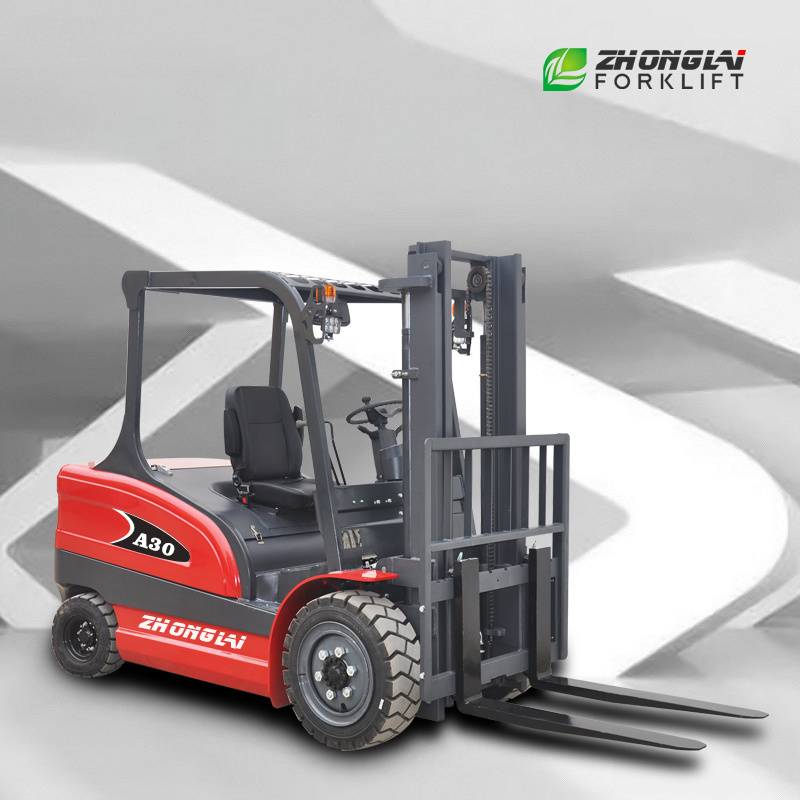
Electric Portable Forklifts: Understanding Their Role in Distribution Centers
Table of Contents
- Introduction to Electric Portable Forklifts
- Advantages of Electric Portable Forklifts in Distribution Centers
- Enhancing Operational Efficiency with Electric Forklifts
- Safety Features of Electric Portable Forklifts
- The Environmental Impact of Electric Forklifts
- Cost-Effectiveness of Electric Portable Forklifts
- Future Trends in Electric Forklift Technology
- Conclusion: The Future of Distribution Centers
- Frequently Asked Questions
Introduction to Electric Portable Forklifts
In today's fast-paced logistics landscape, **electric portable forklifts** play a crucial role in streamlining operations within distribution centers. These forklifts are designed to enhance productivity while minimizing environmental impact, making them essential for modern businesses. With their compact size and flexibility, electric portable forklifts can navigate tight spaces and transport goods efficiently.
As we delve deeper into the functionalities and advantages of these forklifts, it becomes evident how they can transform distribution center operations and contribute to overall business success.
Advantages of Electric Portable Forklifts in Distribution Centers
Electric portable forklifts offer several advantages that make them increasingly popular in distribution centers.
1. Enhanced Maneuverability
Due to their compact design, electric portable forklifts can easily navigate narrow aisles and tight corners, making them ideal for warehouses with limited space. This agility allows for better utilization of storage areas, maximizing available space.
2. Reduced Noise Pollution
Unlike their gas-powered counterparts, electric forklifts operate quietly, which is beneficial in environments where noise reduction is essential. This characteristic not only improves working conditions for employees but also allows for operations in noise-sensitive areas.
3. Lower Emissions and Environmental Impact
Electric forklifts produce zero emissions during operation, contributing to a cleaner working environment. This eco-friendly aspect aligns with sustainable business practices, making them an attractive option for companies aiming to reduce their carbon footprint.
4. Versatility
Electric portable forklifts are versatile machines capable of performing various tasks, from lifting heavy pallets to transporting materials across the warehouse. Their adaptability makes them suitable for a range of applications within distribution centers.
Enhancing Operational Efficiency with Electric Forklifts
Operational efficiency is paramount in distribution centers, and electric portable forklifts contribute significantly to this goal.
1. Quick Charging Capabilities
Modern electric forklifts come equipped with advanced battery technology, allowing for quick charging. This feature ensures that forklifts are available for use when needed, reducing downtime and enhancing productivity.
2. Advanced Technology Integration
Many electric forklifts are now integrated with advanced technologies such as telematics and GPS tracking. These systems provide real-time data on forklift performance, allowing managers to make informed decisions regarding fleet management and operational strategies.
3. Reduced Maintenance Costs
Electric forklifts generally require less maintenance compared to internal combustion forklifts. This reduction in maintenance needs translates to lower operational costs, freeing up resources for other areas of the business.
Safety Features of Electric Portable Forklifts
Safety is a critical consideration in any distribution center, and electric portable forklifts come equipped with various safety features to protect operators and goods.
1. Stability Control Systems
Many electric forklifts are designed with stability control systems that help prevent tipping during operations. These systems enhance operator confidence and reduce the likelihood of accidents.
2. Operator Training and Ergonomics
Electric forklifts are often designed with ergonomic features that ensure operators can work comfortably and efficiently. Moreover, providing adequate training for operators is essential to maximizing safety and operational effectiveness.
3. Safety Sensors and Alarms
Electric forklifts are often fitted with safety sensors and alarms that alert operators to potential hazards. These systems serve as a proactive measure to prevent accidents and ensure a safer working environment.
The Environmental Impact of Electric Forklifts
The push for sustainability in the logistics sector has made the environmental impact of equipment more critical than ever.
1. Energy Efficiency
Electric forklifts are generally more energy-efficient than their fossil fuel counterparts. They consume less energy for equivalent workloads, contributing to lower operational costs and a reduced environmental footprint.
2. Renewable Energy Compatibility
As businesses shift towards renewable energy sources, electric forklifts are compatible with solar and wind energy systems. This compatibility allows companies to further reduce their dependence on conventional energy sources and enhance sustainability efforts.
Cost-Effectiveness of Electric Portable Forklifts
Investing in electric portable forklifts can lead to significant cost savings over time.
1. Lower Fuel Costs
Operating electric forklifts typically incurs lower fueling costs compared to gas or diesel options. The price stability of electricity can make budgeting for operational expenses more predictable.
2. Tax Incentives and Rebates
Many regions offer tax incentives and rebates for businesses that invest in environmentally friendly equipment, including electric forklifts. These financial benefits can offset initial purchase costs, making them more attractive to businesses.
3. Increased Productivity
The operational efficiencies provided by electric forklifts translate into increased workforce productivity. As tasks are completed more quickly and efficiently, businesses can improve their bottom line.
Future Trends in Electric Forklift Technology
The future of electric portable forklifts is bright, with several trends shaping their evolution.
1. Advances in Battery Technology
Ongoing research and development in battery technology promise to enhance the range and efficiency of electric forklifts. Innovations such as solid-state batteries may soon offer faster charging times and longer operational durations.
2. Automation and Robotics Integration
As automation becomes more prevalent in distribution centers, electric forklifts will likely be integrated with robotics. This integration can streamline operations, further enhancing efficiency and reducing labor costs.
3. Enhanced Connectivity
The Internet of Things (IoT) is set to play a significant role in the future of electric forklifts. Enhanced connectivity will allow for better fleet management, predictive maintenance, and improved overall operational efficiency.
Conclusion: The Future of Distribution Centers
Electric portable forklifts represent a significant advancement in the logistics industry, particularly within distribution centers. Their efficiency, safety features, environmental benefits, and cost-effectiveness make them indispensable for modern operations. As technology continues to evolve, we anticipate even greater innovations that will further enhance the role of electric forklifts in distribution centers. Investing in these machines today not only prepares businesses for future challenges but also positions them as leaders in sustainable and efficient logistics.
Frequently Asked Questions
1. What are the main benefits of electric portable forklifts?
Electric portable forklifts offer advantages such as reduced noise, zero emissions, enhanced maneuverability, and lower operational costs compared to traditional forklifts.
2. How does the charging of electric forklifts work?
Electric forklifts typically feature advanced batteries that can be charged quickly, allowing for minimal downtime during operations. Many facilities implement charging stations to facilitate efficient recharging.
3. Are electric forklifts safe to operate?
Yes, electric forklifts are designed with numerous safety features, including stability control, operator training programs, and safety sensors to minimize risks during operation.
4. How do electric forklifts contribute to sustainability?
By producing zero emissions and being compatible with renewable energy sources, electric forklifts help companies reduce their environmental impact and align with sustainable practices.
5. What is the future of electric forklift technology?
The future of electric forklifts includes advancements in battery technology, increased automation, and enhanced connectivity, all aimed at improving efficiency and reducing costs in distribution centers.
Contact Us

Professional forklift manufacturer
Products Hotline:+86-19203299111
WhatsApp:+8613582499666
Email:sales@good-forklift.com
Wechat:+86-19203299111
Mobile website