

Common Mistakes to Avoid When Using Small Electric Pallet Trucks for Efficient Warehousing
Jul 14,2026
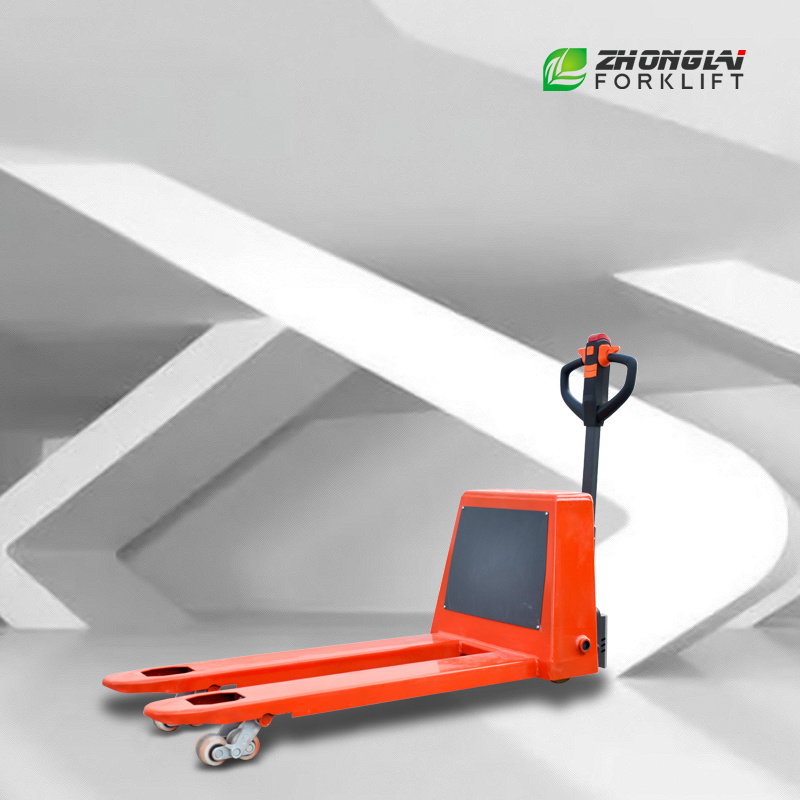
Common Mistakes to Avoid When Using Small Electric Pallet Trucks for Efficient Warehousing
Table of Contents
- 1. Introduction to Small Electric Pallet Trucks
- 2. Mistake #1: Neglecting Operator Training
- 3. Mistake #2: Overloading the Pallet Truck
- 4. Mistake #3: Improper Use on Slopes and Ramps
- 5. Mistake #4: Ignoring Maintenance and Inspections
- 6. Mistake #5: Failing to Use Safety Features
- 7. Mistake #6: Not Adapting to Different Load Types
- 8. Mistake #7: Inadequate Space Management in Warehouses
- 9. Frequently Asked Questions (FAQs)
- 10. Conclusion
1. Introduction to Small Electric Pallet Trucks
Small electric pallet trucks have transformed the way warehouses and distribution centers operate. These versatile machines are designed for transporting and lifting heavy loads with ease, significantly improving efficiency in logistics and warehousing environments. However, improper usage can lead to safety hazards, equipment damage, and operational inefficiencies. Understanding the **common mistakes** made while using these trucks can help organizations enhance productivity and ensure a safer working environment.
2. Mistake #1: Neglecting Operator Training
One of the most critical mistakes in operating small electric pallet trucks is neglecting proper operator training. **Inadequate training** can lead to improper handling, increased risk of accidents, and damage to the equipment. Here are several aspects of operator training that are often overlooked:
Understanding the Equipment
Operators need to be familiar with the specific features and functionalities of the pallet truck they are using. This includes knowledge about weight limits, controls, and safety features. Providing comprehensive training can significantly reduce operational errors.
Safety Protocols
Training should emphasize safety measures, such as proper lifting techniques and awareness of surroundings. Employees should be taught how to recognize potential hazards and respond appropriately in an emergency.
Regular Refreshers
Periodic retraining ensures that operators remain aware of best practices and any updates in equipment technology or warehouse protocols.
3. Mistake #2: Overloading the Pallet Truck
Overloading small electric pallet trucks is a frequent issue that can have serious consequences. Each pallet truck has a **maximum weight capacity** that should not be exceeded. Here’s why adhering to weight limits is crucial:
Safety Risks
Overloading increases the risk of tipping over, which can cause injuries to operators and bystanders. It can also lead to loss of control while maneuvering.
Equipment Damage
Exceeding weight limits can damage the pallet truck’s motors and structural components, leading to costly repairs and reduced lifespan of the equipment.
Operational Efficiency
Operating within capacity ensures smoother operations and reduces the likelihood of breakdowns, contributing to overall efficiency in the warehouse.
4. Mistake #3: Improper Use on Slopes and Ramps
Navigating slopes and ramps with electric pallet trucks requires particular attention. Improper handling can lead to accidents and damage. Here are essential tips for safe operation:
Assessing the Gradient
Before attempting to navigate a slope, operators should assess the gradient and determine whether the pallet truck can safely handle the incline.
Using the Right Techniques
When moving uphill, operators should face the slope and drive straight up. When descending, it’s crucial to control the speed and maintain a steady footing to prevent loss of control.
Load Distribution
Ensure that loads are evenly distributed on the pallet to maintain stability while traversing slopes and ramps.
5. Mistake #4: Ignoring Maintenance and Inspections
Regular maintenance of small electric pallet trucks is vital for their performance and safety. Here’s why neglecting maintenance is a mistake:
Scheduled Inspections
Establish a routine inspection schedule to identify and address any potential issues before they escalate. This includes checking battery levels, brakes, and tires.
Preventative Maintenance
Implementing a preventative maintenance program can significantly reduce the likelihood of unexpected breakdowns and prolong the equipment's lifespan.
Documentation
Keeping detailed maintenance records can help track the condition of the pallet truck and facilitate better decision-making regarding repairs or replacements.
6. Mistake #5: Failing to Use Safety Features
Small electric pallet trucks are equipped with various safety features designed to protect operators and bystanders. Failing to utilize these features can lead to accidents.
Built-in Safety Mechanisms
Familiarize operators with features such as emergency stop buttons, horns, and lights. These features are critical for safe operation in busy warehouse environments.
Using Personal Protective Equipment (PPE)
Encourage operators to wear appropriate PPE, including safety shoes and gloves, to minimize the risk of injuries.
Regular Safety Drills
Conducting regular safety drills can reinforce the importance of using safety features and responding effectively in emergencies.
7. Mistake #6: Not Adapting to Different Load Types
Different types of loads require different handling techniques. Many operators make the mistake of using the same approach for every load.
Understanding Load Characteristics
Educate operators about the unique characteristics of various load types, including weight distribution, stability, and fragility. This knowledge will help them make informed decisions on how to handle each load safely.
Adjusting Techniques Accordingly
Operators should adjust their handling techniques based on the load type. For example, handling fragile items may require slower speeds and more cautious movements.
Effective Communication
Ensure that team members communicate about load types and any special handling instructions to avoid misunderstandings.
8. Mistake #7: Inadequate Space Management in Warehouses
Poor space management in warehouses can lead to accidents and inefficiencies when using small electric pallet trucks. Here’s how to avoid this common mistake:
Organized Layout
Designing a well-organized warehouse layout can facilitate smoother operations. Clearly marked pathways and designated loading zones can help prevent collisions and bottlenecks.
Proactive Space Monitoring
Regularly monitor space usage to identify areas for improvement. This might include rearranging storage or increasing available space for pallets.
Training on Space Awareness
Train operators on spatial awareness to minimize accidents and optimize the use of available space.
9. Frequently Asked Questions (FAQs)
What are small electric pallet trucks typically used for?
Small electric pallet trucks are commonly used in warehouses and distribution centers to move heavy pallets and loads over short distances. They improve efficiency by reducing manual labor and enhancing safety.
How can I ensure the safety of operators using electric pallet trucks?
Implementing comprehensive training programs, conducting regular inspections, and promoting the use of safety features will ensure operator safety while using electric pallet trucks.
What maintenance does an electric pallet truck require?
Electric pallet trucks require routine inspections, battery maintenance, tire checks, and overall cleaning to ensure optimal performance and extend their lifespan.
Can electric pallet trucks be used on uneven surfaces?
While they can be used on uneven surfaces, caution should be exercised. Operators should be trained to navigate such terrains safely and adjust techniques accordingly.
How do I know if my electric pallet truck is overloaded?
Each truck has a specified weight capacity, usually indicated in the operator's manual. If loads appear unstable or the truck struggles to move, it may be overloaded.
10. Conclusion
Avoiding common mistakes when using small electric pallet trucks is crucial for enhancing efficiency, ensuring safety, and prolonging the lifespan of the equipment. By investing in proper training, adhering to weight limits, regularly maintaining equipment, and understanding the specific handling requirements for different loads, organizations can significantly improve their warehousing operations. Emphasizing safety and effective space management will lead to a safer working environment and ultimately boost productivity. Taking proactive steps today can yield significant benefits for the future.
Contact Us

Professional forklift manufacturer
Products Hotline:+86-19203299111
WhatsApp:+8613582499666
Email:sales@good-forklift.com
Wechat:+86-19203299111
Mobile website