

How Electric Forklift Stackers Can Enhance Safety in the Workplace
Jul 08,2026
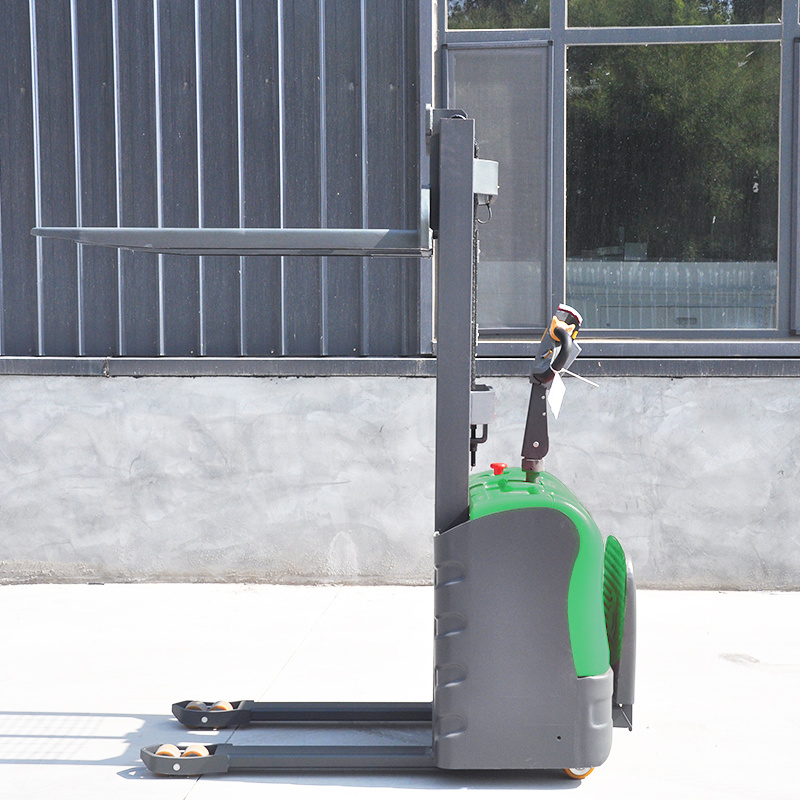
Introduction to Electric Forklift Stackers and Safety
In the ever-evolving landscape of industrial operations, workplace safety remains a paramount concern for businesses across sectors. Electric forklift stackers have emerged as a pivotal tool in enhancing safety standards, particularly in materials handling and warehousing environments. By integrating advanced technology and ergonomic designs, these machines significantly reduce the risk of accidents and injuries in the workplace.
What Are Electric Forklift Stackers?
Electric forklift stackers are specialized material handling vehicles designed to lift and transport goods efficiently. Unlike traditional forklifts, these stackers operate on electric power, offering a quieter, cleaner, and more energy-efficient solution. Their compact design allows them to maneuver easily in narrow aisles and tight spaces, making them ideal for warehouses and distribution centers where space is at a premium.
The Importance of Workplace Safety
Safety is not just a regulatory requirement; it is a fundamental component of a productive work environment. Workplace accidents can lead to serious injuries, increased insurance costs, and significant downtimes. Electric forklift stackers contribute to a safer workplace by reducing manual handling, minimizing human error, and employing advanced safety features that protect both operators and bystanders.
Key Features of Electric Forklift Stackers That Promote Safety
Electric forklift stackers are equipped with various safety features designed to minimize risks and enhance operational efficiency.
- **Lower Center of Gravity**: This design enhances stability, reducing the likelihood of tip-overs.
- **Automatic Braking Systems**: Many electric stackers come with advanced braking systems that engage automatically, preventing accidents.
- **Collision Avoidance Technology**: Some models are equipped with sensors and cameras that detect obstacles in the vicinity, alerting the operator in real-time.
- **Ergonomic Controls and Displays**: User-friendly controls and informative displays help operators maintain focus on their surroundings, ensuring safer navigation.
How Electric Forklift Stackers Reduce Workplace Accidents
The implementation of electric forklift stackers can lead to a significant decrease in workplace accidents. Here's how these machines contribute to a safer working environment:
1. Reduced Manual Handling
Manual handling of heavy loads poses a high risk of injury. Electric stackers automate the lifting and transporting processes, allowing operators to focus on maneuvering without the physical strain of lifting. This automation reduces the chances of musculoskeletal injuries, which are prevalent in physically demanding jobs.
2. Increased Visibility and Awareness
Electric stackers are designed to provide operators with better visibility of their surroundings. Features such as low-profile masts and adjustable forks enhance sightlines, enabling operators to navigate tight spaces with confidence. Additionally, many stackers are equipped with mirrors and cameras that further improve awareness.
3. Enhanced Operator Training
With the introduction of electric forklift stackers, training programs can be tailored to focus on the specific functionalities and safety features of these machines. Comprehensive training ensures that operators are well-versed in best practices, thereby reducing the risk of accidents caused by human error.
4. Improved Workplace Design
The compact nature of electric stackers allows for better warehouse layouts. By optimizing space utilization, businesses can create safer working environments with wider aisles and designated pedestrian pathways. This proactive design minimizes the risk of collisions between workers and machinery.
Best Practices for Electric Forklift Stacker Safety
To maximize safety when using electric forklift stackers, organizations should adhere to best practices that prioritize both operator and workplace safety.
Regular Maintenance and Inspections
Conducting routine maintenance and inspections is critical for ensuring the safe operation of electric stackers. Regular checks should include:
- Battery performance and charging systems
- Tire conditions and wear
- Mechanical components such as brakes and steering
- Safety systems like alarms and lights
Implementing Proper Training Programs
Investing in comprehensive training programs is essential for ensuring that operators understand how to use electric stackers safely and effectively. Training should cover:
- Operating procedures and safety protocols
- Emergency response tactics
- The significance of personal protective equipment (PPE)
Encouraging a Culture of Safety
Creating a culture of safety within the workplace involves encouraging employees to prioritize safety in all operations. This includes:
- Reporting near misses and hazards
- Regular safety meetings and workshops
- Recognition and rewards for safe practices
Common Misconceptions About Electric Forklift Stackers
Despite their advantages, several misconceptions about electric forklift stackers can hinder their adoption in the workplace.
1. Electric Stackers Lack Power
Many individuals believe that electric stackers are less powerful than their gasoline or diesel counterparts. However, modern electric stackers are equipped with robust motors and advanced battery technology, providing ample power for most applications.
2. Higher Operational Costs
While the initial investment in electric stackers may be higher, they often lead to lower operational costs over time. Electric stackers have reduced maintenance needs, and their efficiency can lead to lower energy costs.
3. Limited Usability in Outdoor Settings
Some believe electric stackers are not suitable for outdoor use. In reality, many electric models are designed for outdoor operations, especially those with weather-resistant features, making them versatile for various environments.
FAQs About Electric Forklift Stackers and Workplace Safety
1. What are the advantages of using electric forklift stackers over traditional forklifts?
Electric forklift stackers are quieter, produce zero emissions, and have lower operational costs due to reduced fuel and maintenance expenses. Their compact design also allows for better maneuverability in tight spaces.
2. How can I ensure the safety of my operators when using electric stackers?
Implement comprehensive training programs, conduct regular maintenance checks, and encourage a culture of safety to ensure operators are well-prepared and aware of safety protocols.
3. Are electric forklift stackers suitable for all types of warehouses?
Yes, electric stackers can be used in various warehouse settings, including those with narrow aisles and limited space, thanks to their compact design and maneuverability.
4. What types of safety features should I look for in an electric stacker?
Look for features such as automatic braking systems, collision avoidance technology, ergonomic controls, and enhanced visibility options.
5. How often should electric forklift stackers be serviced?
Electric stackers should undergo regular maintenance checks at least once a month, with more frequent checks for heavily used machines.
Conclusion
Electric forklift stackers are revolutionizing workplace safety in the materials handling industry. With their advanced technology, ergonomic design, and safety features, these machines not only improve operational efficiency but also significantly reduce the risk of accidents. By implementing best practices and fostering a culture of safety, organizations can create a work environment that prioritizes the well-being of all employees. Embracing electric stackers isn't just a smart business decision—it's a commitment to a safer, more productive workplace.
Contact Us

Professional forklift manufacturer
Products Hotline:+86-19203299111
WhatsApp:+8613582499666
Email:sales@good-forklift.com
Wechat:+86-19203299111
Mobile website