

The Evolution of Electric Portable Forklifts in Modern Warehousing
Jul 02,2026
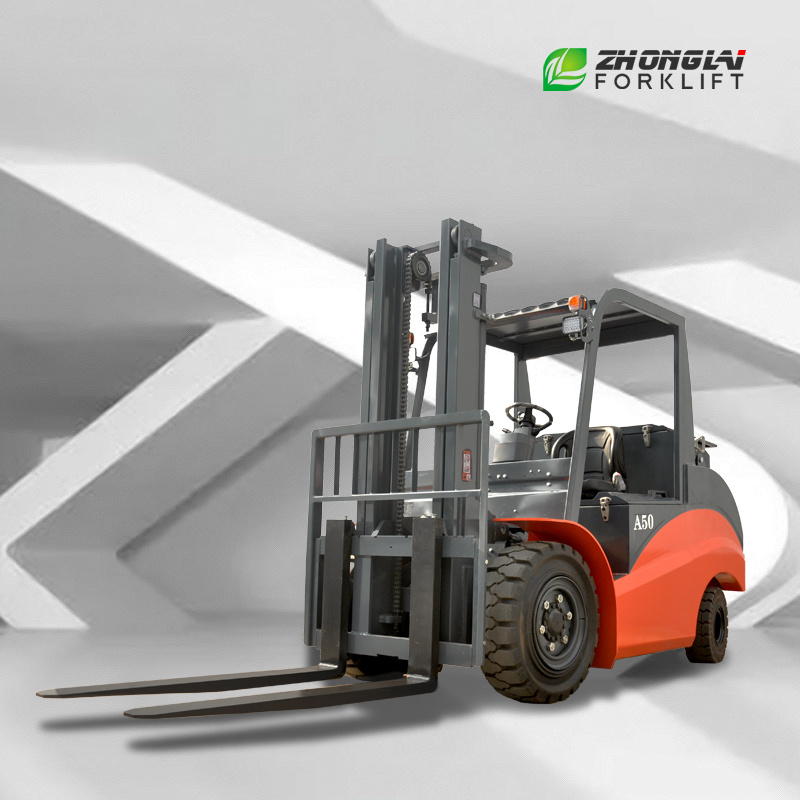
The Evolution of Electric Portable Forklifts in Modern Warehousing
In the fast-paced world of logistics and warehousing, efficiency and sustainability are paramount. Electric portable forklifts have emerged as a transformative force in this industry, reshaping how businesses handle materials and optimize their workspace. This article delves into the evolution of electric portable forklifts, their technological advancements, benefits, and their future role in modern warehousing.
Table of Contents
- 1. Introduction to Electric Portable Forklifts
- 2. A Brief History of Forklift Technology
- 3. Electric Forklifts vs. Internal Combustion Forklifts
- 4. Key Features of Modern Electric Portable Forklifts
- 5. Advantages of Using Electric Portable Forklifts
- 6. The Environmental Impact of Electric Forklifts
- 7. Case Studies: Success Stories in Warehousing
- 8. The Future of Electric Portable Forklifts in Warehousing
- 9. Frequently Asked Questions
- 10. Conclusion
1. Introduction to Electric Portable Forklifts
Electric portable forklifts represent a significant shift in how warehouses operate. Unlike traditional forklifts, which rely on internal combustion engines, electric models are powered by batteries, offering several advantages including lower operating costs, reduced maintenance, and a smaller carbon footprint. This transition aligns with the growing demand for sustainability in logistics, as businesses strive to meet regulatory requirements and consumer expectations for environmentally-friendly practices.
2. A Brief History of Forklift Technology
The forklift has a rich history dating back to the early 20th century. Originally designed for industrial applications, these machines have evolved significantly over the decades. The introduction of electric models in the 1960s marked the beginning of a new era. Manufacturers recognized the need for quieter and more efficient alternatives to gas-powered forklifts, paving the way for innovations in battery technology and design.
3. Electric Forklifts vs. Internal Combustion Forklifts
Electric portable forklifts offer several advantages over their internal combustion counterparts:
3.1 Performance
Electric forklifts provide instant torque, allowing for smoother acceleration and more precise handling. This performance is particularly beneficial in tight warehouse spaces where maneuverability is crucial.
3.2 Operating Costs
Electric models typically have lower operating costs due to reduced fuel expenses and minimal maintenance requirements. Battery-powered forklifts can also operate indoors without the risk of harmful emissions, making them a safer choice for enclosed warehouse environments.
3.3 Noise Levels
With their quieter operation, electric forklifts create a more pleasant working environment. This is especially important in multi-use facilities where noise can disrupt other operations.
4. Key Features of Modern Electric Portable Forklifts
Modern electric portable forklifts come equipped with a variety of features designed to enhance safety and efficiency:
4.1 Advanced Battery Technology
Lithium-ion batteries are becoming the industry standard, offering faster charging times, longer lifespans, and better overall performance compared to traditional lead-acid batteries.
4.2 Ergonomic Design
These forklifts feature ergonomic controls and adjustable seating to reduce operator fatigue, ensuring that the team can work efficiently over extended periods.
4.3 Smart Technology
Many electric forklifts now incorporate smart technology, allowing for real-time data tracking and diagnostics. This information helps businesses monitor usage patterns, optimize fleet management, and predict maintenance needs.
5. Advantages of Using Electric Portable Forklifts
The advantages of electric portable forklifts extend beyond operational efficiency:
5.1 Sustainability
By utilizing electric power, businesses significantly reduce their carbon footprint. This shift not only adheres to environmental regulations but also enhances corporate responsibility, appealing to eco-conscious consumers.
5.2 Versatility
Electric forklifts can be used in a wide range of applications, from warehouses to retail operations and even in food and beverage industries where hygiene is critical.
5.3 Low Emissions
With no fuel combustion, electric portable forklifts emit zero direct emissions, contributing to improved air quality in and around warehouse environments.
6. The Environmental Impact of Electric Forklifts
As industries worldwide push towards sustainability, the environmental impact of machinery like forklifts cannot be ignored. Electric forklifts contribute positively in several ways:
6.1 Energy Efficiency
Electric forklifts are generally more energy-efficient than their gas counterparts, consuming less energy to perform the same tasks.
6.2 Reduction of Greenhouse Gases
By minimizing greenhouse gas emissions, electric forklifts help companies comply with environmental regulations and contribute to global efforts to combat climate change.
6.3 Noise Pollution Reduction
The quieter operation of electric forklifts helps reduce noise pollution, benefiting both workers and surrounding communities.
7. Case Studies: Success Stories in Warehousing
Several companies have successfully integrated electric portable forklifts into their operations, reaping significant benefits.
7.1 Company A: A Major Retailer
A leading retailer transitioned to electric forklifts in their distribution centers, resulting in a 30% reduction in energy costs and a substantial decrease in carbon emissions. Their commitment to sustainability not only improved their bottom line but also enhanced their brand image.
7.2 Company B: Food and Beverage Industry
A food and beverage distributor replaced their gas forklifts with electric models, improving air quality in their facilities. They reported a 15% increase in operational efficiency, showcasing how electric forklifts can enhance productivity while ensuring compliance with health regulations.
8. The Future of Electric Portable Forklifts in Warehousing
The future of electric portable forklifts looks promising, with ongoing advancements in technology:
8.1 Automation and Robotics
As automation becomes more prevalent in warehouses, electric forklifts are likely to integrate with robotic systems, enhancing efficiency and reducing the need for human intervention.
8.2 Enhanced Battery Technologies
With continued research into battery technologies, we can expect even longer-lasting batteries with shorter charging times, further improving the viability of electric forklifts.
8.3 Greater Acceptance
As more companies witness the advantages of electric forklifts, we anticipate a broader acceptance and adoption across various industries, solidifying their role in modern warehousing.
9. Frequently Asked Questions
9.1 What is the lifespan of an electric forklift battery?
The lifespan of an electric forklift battery can vary, but lithium-ion batteries typically last between 3 to 5 years with proper care and maintenance.
9.2 Are electric forklifts suitable for outdoor use?
While electric forklifts excel in indoor environments, specific models are designed for outdoor use. These come with enhanced durability and weather resistance.
9.3 How do I maintain an electric forklift?
Regular maintenance includes checking battery levels, inspecting tires, and ensuring all electrical components are functioning correctly. Schedule professional servicing annually to extend the lifespan of your forklift.
9.4 Can electric forklifts lift heavy loads?
Yes, many electric forklifts can lift heavy loads, with capacities comparable to traditional internal combustion models. Always consult manufacturer specifications to ensure safe operation.
9.5 What are the charging costs associated with electric forklifts?
Charging costs depend on local electricity rates and usage patterns. However, they are generally lower than fuel costs for gas-powered forklifts, making electric models more cost-effective in the long run.
10. Conclusion
Electric portable forklifts are at the forefront of a paradigm shift in warehousing operations, offering a blend of efficiency, sustainability, and technological innovation. As businesses seek to optimize their logistics and reduce their environmental impact, the adoption of electric forklifts will continue to rise, shaping the future of the industry. By understanding their evolution and advantages, companies can make informed decisions that not only enhance their operational capabilities but also contribute positively to the planet. As we look ahead, the role of electric portable forklifts will undoubtedly become even more integral to the modern warehouse landscape.
Contact Us

Professional forklift manufacturer
Products Hotline:+86-19203299111
WhatsApp:+8613582499666
Email:sales@good-forklift.com
Wechat:+86-19203299111
Mobile website