

Electric Forklift Stackers: Redefining Efficiency in Material Handling
Jun 01,2026
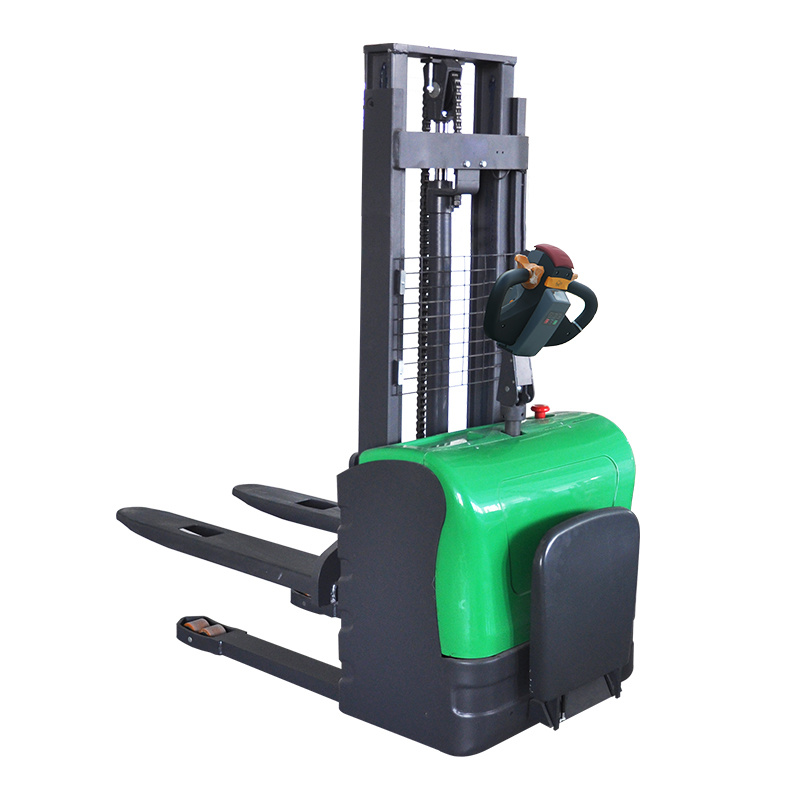
Electric Forklift Stackers: Redefining Efficiency in Material Handling
Table of Contents
- 1. Introduction to Electric Forklift Stackers
- 2. Benefits of Electric Forklift Stackers
- 3. Key Features of Electric Forklift Stackers
- 4. Different Types of Electric Forklift Stackers
- 5. How to Choose the Right Electric Forklift Stacker
- 6. Maintenance Tips for Electric Forklift Stackers
- 7. Applications of Electric Forklift Stackers in Various Industries
- 8. The Future of Electric Forklift Stackers in Material Handling
- 9. Frequently Asked Questions
- 10. Conclusion
1. Introduction to Electric Forklift Stackers
Electric forklift stackers are revolutionizing the material handling industry by providing an efficient and sustainable solution for lifting and transporting goods. Unlike traditional forklifts that often rely on internal combustion engines, electric stackers are powered by rechargeable batteries, making them quieter, cleaner, and more energy-efficient. As businesses increasingly prioritize sustainability and operational efficiency, these modern stackers are becoming indispensable tools in warehouses, distribution centers, and manufacturing facilities.
In this comprehensive guide, we will explore the myriad benefits, key features, various types, and future prospects of electric forklift stackers. Understanding these elements will empower you to make informed decisions that optimize your material handling operations.
2. Benefits of Electric Forklift Stackers
Electric forklift stackers come with a range of advantages that enhance efficiency and productivity in material handling. Let's delve into some of the most significant benefits:
2.1 Enhanced Operational Efficiency
Electric stackers excel in providing high performance while consuming less energy. They can operate for extended periods without frequent recharging, which allows for uninterrupted workflows and higher throughput rates.
2.2 Lower Operating Costs
The cost savings associated with electric stackers are substantial. They require less maintenance compared to their gas-powered counterparts and have lower energy costs. Additionally, many electric stackers are eligible for government incentives related to sustainable practices.
2.3 Improved Workplace Safety
With features like automatic braking, enhanced visibility, and reduced noise levels, electric stackers contribute to a safer working environment. Their precise maneuverability reduces the risk of accidents, ensuring the safety of operators and other personnel.
2.4 Environmental Sustainability
As businesses become more environmentally conscious, electric forklift stackers provide a greener alternative. They produce zero emissions during operation, promoting a healthier indoor air quality and significantly reducing the carbon footprint of material handling processes.
2.5 User-Friendly Operation
Electric stackers are designed with ergonomics in mind. They often feature intuitive controls, adjustable seating, and improved visibility, which make them easy to operate for workers of various skill levels. This ease of use enhances productivity and minimizes the likelihood of operator fatigue.
3. Key Features of Electric Forklift Stackers
Understanding the key features of electric forklift stackers can help businesses select the best equipment for their material handling needs. Here are some important features to consider:
3.1 Battery Technology
Most electric stackers utilize advanced lithium-ion or lead-acid batteries, which provide long-lasting power and efficiency. Lithium-ion batteries, in particular, offer rapid charging capabilities and longer lifespans, making them an attractive option for high-demand environments.
3.2 Load Capacity
Electric stackers come in various load capacities, allowing businesses to choose the right model based on the weight of the materials they handle. Whether moving lightweight pallets or heavier goods, there's an electric stacker suitable for every task.
3.3 Lift Height
Different models offer various lift heights, influencing how they can be used in warehouse racking systems. Understanding the specific lift height requirements for your operations is critical to selecting the right electric stacker.
3.4 Maneuverability
Electric stackers are designed to operate in tight spaces and narrow aisles. Features such as compact designs and tight turning radii make them ideal for crowded warehouses and retail environments.
3.5 Safety Features
Many electric stackers come equipped with safety features such as automatic shutoff, operator presence sensors, and stability controls. Assessing the safety features of a stacker is crucial for maintaining a safe working environment.
4. Different Types of Electric Forklift Stackers
Electric forklift stackers come in various types, each suited for specific applications within material handling. Here are some of the most common types:
4.1 Walkie Electric Stackers
Walkie electric stackers are designed for operators to walk alongside while controlling the stacker. They are excellent for short-distance transporting and are ideal for environments where space is limited.
4.2 Rider Electric Stackers
Rider electric stackers allow operators to sit while maneuvering the equipment. These stackers are suited for longer distances and provide greater comfort for operators during extended shifts.
4.4 High-Lift Electric Stackers
High-lift electric stackers are engineered for working with taller racking systems. These stackers can lift loads to significant vertical heights, making them ideal for warehouses with high storage requirements.
4.5 Reach Electric Stackers
Reach electric stackers are specialized for accessing high storage locations. They have extendable arms that allow operators to reach deeper into rack systems without needing to move the entire stacker.
5. How to Choose the Right Electric Forklift Stacker
Selecting the right electric forklift stacker requires careful consideration of various factors. Here’s a step-by-step guide to making the best choice:
5.1 Assess Your Material Handling Needs
Evaluate the types of materials you'll be handling, including their weight, dimensions, and the frequency of movement. This assessment helps determine the required load capacity and lift height.
5.2 Consider Your Warehouse Layout
Understanding the layout of your warehouse is crucial. Measure aisle widths and available space to ensure that the stacker can operate efficiently without hindrance.
5.3 Evaluate Operator Comfort
Choose a stacker that prioritizes operator comfort with ergonomic design features. A comfortable operator is more productive and less prone to fatigue-related accidents.
5.4 Review Safety Features
Prioritize stackers equipped with essential safety features. Ensure operators are well trained in safety protocols to maximize the benefits of these features in everyday operations.
5.5 Compare Brands and Models
Research various brands and models, comparing specifications, customer reviews, and warranty options. A well-researched choice can lead to better long-term satisfaction and value.
6. Maintenance Tips for Electric Forklift Stackers
Regular maintenance is essential to prolonging the life of electric forklift stackers and ensuring optimal performance. Here are some maintenance tips:
6.1 Daily Inspections
Conduct daily pre-operation inspections to check for any signs of wear, battery levels, and fluid levels. Address any issues immediately to prevent larger problems down the line.
6.2 Battery Maintenance
Follow manufacturer recommendations for battery maintenance, including regular charging and cleaning. Monitor battery health to ensure peak performance and longevity.
6.3 Scheduled Professional Maintenance
Engage a qualified technician for regular servicing based on the manufacturer's guidelines. Scheduled maintenance can catch potential issues early, avoiding costly repairs and downtime.
6.4 Training Operators
Ensure that operators are trained on proper usage and safety protocols. Well-trained operators are less likely to misuse the equipment, reducing the risk of accidents and damage.
6.5 Keeping Records
Maintain detailed records of all maintenance activities, inspections, and repairs. This documentation is valuable for future reference and can aid in warranty claims or resale value.
7. Applications of Electric Forklift Stackers in Various Industries
Electric forklift stackers are versatile and can be utilized across multiple industries. Here are some key applications:
7.1 Warehousing and Distribution
In warehousing and distribution centers, electric stackers are vital for moving goods efficiently, organizing inventory, and optimizing storage space.
7.2 Manufacturing
In manufacturing settings, electric stackers facilitate the transport of raw materials and finished products, contributing to streamlined production processes.
7.3 Retail
Retail environments benefit from electric stackers for restocking shelves and handling shipments, allowing staff to efficiently manage inventory levels.
7.4 Food and Beverage
In the food and beverage industry, electric stackers are ideal for moving pallets of products safely and efficiently while adhering to stringent hygiene and safety standards.
7.5 Pharmaceuticals
Pharmaceutical companies rely on electric stackers to manage sensitive materials, ensuring careful handling and compliance with regulatory requirements.
8. The Future of Electric Forklift Stackers in Material Handling
The future of electric forklift stackers looks promising, with advancements in technology driving efficiency and sustainability. Innovations such as AI integration, automation, and connectivity are expected to enhance the capabilities of electric stackers, leading to smarter and more efficient material handling processes.
As industries continue to adapt to changing demands and environmental considerations, electric forklift stackers are poised to play an increasingly critical role in shaping the future of logistics and supply chain management.
9. Frequently Asked Questions
9.1 What is the average lifespan of an electric forklift stacker?
The average lifespan of an electric forklift stacker ranges from 5 to 10 years, depending on usage, maintenance, and the specific model.
9.2 Are electric forklift stackers suitable for outdoor use?
While some electric stackers are designed for outdoor use, most are best suited for indoor applications due to limited weather resistance. Always check the manufacturer's specifications.
9.3 How often do I need to charge an electric forklift stacker?
Charging frequency depends on the stacker's usage. Generally, batteries should be charged after each shift or when the battery level is low.
9.4 Can electric forklift stackers lift heavy loads?
Yes, electric stackers are available in various load capacities, with some models capable of lifting up to 5,000 pounds or more.
9.5 What type of battery is best for electric forklift stackers?
Lithium-ion batteries are becoming increasingly popular due to their longer lifespan, shorter charging times, and lower maintenance requirements compared to traditional lead-acid batteries.
10. Conclusion
Electric forklift stackers are redefining efficiency in material handling by offering numerous benefits, advanced features, and applications across various industries. As businesses look to optimize their operations and embrace sustainable practices, investing in electric stackers is a wise choice that promises long-term returns. By understanding the different types of stackers, evaluating their benefits, and adhering to maintenance best practices, businesses can significantly enhance their material handling processes while ensuring safety and productivity in their workplaces. The future of electric forklift stackers looks bright, and their role in transforming logistics and material handling will only continue to grow.
Contact Us

Professional forklift manufacturer
Products Hotline:+86-19203299111
WhatsApp:+8613582499666
Email:sales@good-forklift.com
Wechat:+86-19203299111
Mobile website