

A Deep Dive into Electric Portable Forklift Battery Technology: Revolutionizing Material Handling
May 26,2026
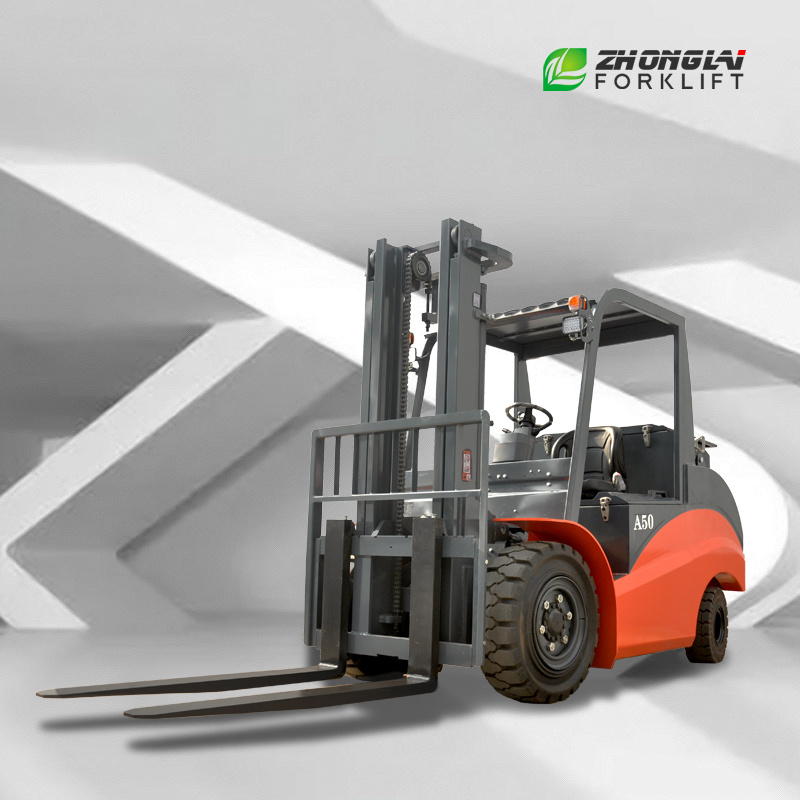
A Deep Dive into Electric Portable Forklift Battery Technology
As the demand for efficient material handling solutions increases, electric portable forklift technology has emerged as a game-changer in the logistics and warehousing sector. At the heart of this evolution lies battery technology, which not only powers these machines but also enhances their performance, reliability, and sustainability. In this article, we will explore the intricacies of electric portable forklift battery technology, examining the various types of batteries, their operational efficiency, and what the future holds for this critical component of material handling equipment.
Table of Contents
- Understanding Electric Portable Forklift Batteries
- Types of Electric Forklift Batteries
- Performance and Efficiency Metrics
- Charging Technologies in Forklift Batteries
- Maintenance of Electric Forklift Batteries
- Sustainability and Environmental Impact
- Future Trends in Battery Technology
- Frequently Asked Questions
Understanding Electric Portable Forklift Batteries
Electric portable forklifts are powered by batteries that provide the necessary energy to lift and transport materials efficiently. Unlike traditional forklifts that rely on internal combustion engines, electric models offer a quieter, more environmentally friendly alternative. The choice of battery is crucial, as it influences not only the forklift's operational capabilities but also its overall cost of ownership.
Electric batteries operate on the principle of electrochemical energy conversion. When charged, chemical energy stored in the battery is converted into electrical energy, which powers the forklift. This energy must be managed effectively to ensure optimal performance, longevity, and minimal downtime.
Types of Electric Forklift Batteries
There are several types of batteries commonly used in electric portable forklifts, each with its own advantages and disadvantages:
Lead-Acid Batteries
Lead-acid batteries have been the traditional choice for electric forklifts for decades. They are affordable and have a proven track record. However, they require regular maintenance, including watering and equalization charges, and their performance can degrade over time.
Lithium-Ion Batteries
Lithium-ion batteries are becoming increasingly popular due to their superior energy density, lighter weight, and longer lifespan compared to lead-acid batteries. They charge faster, require less maintenance, and can operate in a wider temperature range. However, they come at a higher initial cost.
Nickel-Cadmium Batteries
While less common today, nickel-cadmium batteries offer reliable performance in extreme conditions. They are resistant to temperature fluctuations and can handle deep discharges without damage. However, environmental concerns regarding cadmium have led to decreased usage.
Fuel Cells
Fuel cell technology is on the rise, using hydrogen to generate electricity. Fuel cells provide rapid refueling and longer operational times, making them suitable for high-intensity applications. However, infrastructure for hydrogen refueling is still developing.
Performance and Efficiency Metrics
Understanding how battery technology affects performance is essential for optimizing forklift operations. Key performance metrics include:
Run Time
The duration for which a forklift can operate on a single charge is critical. Lithium-ion batteries typically offer longer run times than lead-acid batteries, making them ideal for high-throughput environments.
Charge Time
Quick charging is a significant advantage of lithium-ion batteries, which can charge in as little as one hour. In contrast, lead-acid batteries may take several hours to fully recharge, impacting operational efficiency.
Energy Density
Energy density refers to the amount of energy stored per unit weight. Higher energy density translates to lighter batteries with longer run times. Lithium-ion batteries excel in this area, providing more power without increasing forklift weight.
Lifecycle Cost
Evaluating the total cost of ownership (TCO) is vital. While lithium-ion batteries have a higher upfront cost, their longevity and reduced maintenance can lead to lower TCO over time compared to lead-acid options.
Charging Technologies in Forklift Batteries
Charging technologies have advanced significantly, influencing how efficiently forklifts can operate. Understanding these technologies can help businesses maximize uptime.
Standard Charging
Standard charging methods involve plugging the forklift's battery into a charger, which delivers power at a constant rate. This method is simple but can lead to longer downtime between shifts.
Opportunity Charging
Opportunity charging allows forklifts to recharge during breaks and downtime. This approach is particularly beneficial for lithium-ion batteries, which can handle partial charges without reducing lifespan. It enhances operational efficiency by maximizing run time.
Fast Charging
Fast charging technologies are designed to replenish batteries quickly, enabling forklifts to return to service in minimal time. This method is crucial for high-demand environments, ensuring that battery-powered forklifts remain operational for extended periods.
Maintenance of Electric Forklift Batteries
Proper maintenance is key to extending the life and enhancing the performance of electric forklift batteries. Here are some best practices:
Regular Inspection
Conducting routine inspections for signs of wear, corrosion, or leaks is vital. Early identification of issues can prevent costly repairs and downtime.
Cleaning the Terminals
Battery terminals should be kept clean and free from corrosion. Corroded terminals can hinder electrical flow, reducing battery efficiency.
Fluid Levels (for Lead-Acid Batteries)
For lead-acid batteries, maintaining proper fluid levels is crucial. Distilled water should be added as necessary to ensure optimal performance.
Temperature Management
Storing and operating batteries within the recommended temperature range is essential for performance. Extreme temperatures can negatively impact battery life and efficiency.
Sustainability and Environmental Impact
As industries strive for sustainability, electric forklifts emerge as a greener alternative. Key benefits include:
Reduced Emissions
Electric forklifts produce zero tailpipe emissions, contributing significantly to cleaner air quality in warehouses and distribution centers.
Energy Efficiency
Electric forklifts are generally more energy-efficient than their gas or diesel counterparts. This efficiency results in lower energy consumption and reduced operating costs.
Recyclability of Batteries
Advancements in battery recycling technology have made it easier to recover valuable materials from spent batteries, particularly lithium-ion. Recycling programs help reduce environmental impact while conserving resources.
Future Trends in Battery Technology
The future of electric portable forklift battery technology is poised for exciting developments. Here are some trends to watch:
Solid-State Batteries
Solid-state batteries promise higher energy density and safety compared to traditional lithium-ion batteries. By replacing liquid electrolytes with solid materials, these batteries aim to provide increased performance and lower risks of fire.
Battery-as-a-Service (BaaS)
BaaS is an emerging model allowing businesses to lease batteries instead of purchasing them outright. This approach can reduce upfront costs and simplify maintenance, providing flexibility to companies.
Integration with IoT
The Internet of Things (IoT) will play a crucial role in battery management systems. Smart batteries equipped with sensors can provide real-time data, allowing operators to monitor performance and predict maintenance needs proactively.
Frequently Asked Questions
1. How long do electric forklift batteries last?
The lifespan of electric forklift batteries varies by type. Lead-acid batteries typically last 3-5 years, while lithium-ion batteries can last 5-10 years with proper care.
2. Are lithium-ion batteries worth the investment?
Yes, lithium-ion batteries often yield lower total cost of ownership over time due to their longevity, reduced maintenance requirements, and faster charging capabilities.
3. How often should I charge my electric forklift battery?
It’s best to charge your forklift battery after each shift to maintain optimal performance. However, opportunity charging can be beneficial for maximizing uptime.
4. What maintenance is required for electric forklift batteries?
Regular inspections, cleaning terminals, and monitoring fluid levels (for lead-acid batteries) are essential maintenance tasks. Temperature management is also crucial for battery longevity.
5. What is the environmental impact of electric forklift batteries?
Electric forklift batteries reduce emissions and are more energy-efficient than traditional fuel-powered forklifts. Additionally, recycling programs help mitigate environmental impact.
Conclusion
Electric portable forklift battery technology is at the forefront of transforming material handling solutions. With various battery types, advancements in charging technologies, and an emphasis on sustainability, businesses are better equipped to meet the challenges of modern logistics. As we look to the future, innovations like solid-state batteries and IoT integration promise to enhance efficiency and performance further. By investing in the right battery technology and practices, companies can not only boost their operational efficiency but also contribute to a more sustainable world.
Contact Us

Professional forklift manufacturer
Products Hotline:+86-19203299111
WhatsApp:+8613582499666
Email:sales@good-forklift.com
Wechat:+86-19203299111
Mobile website