

The Environmental Benefits of Switching to Electric Forklift Stackers
May 14,2026
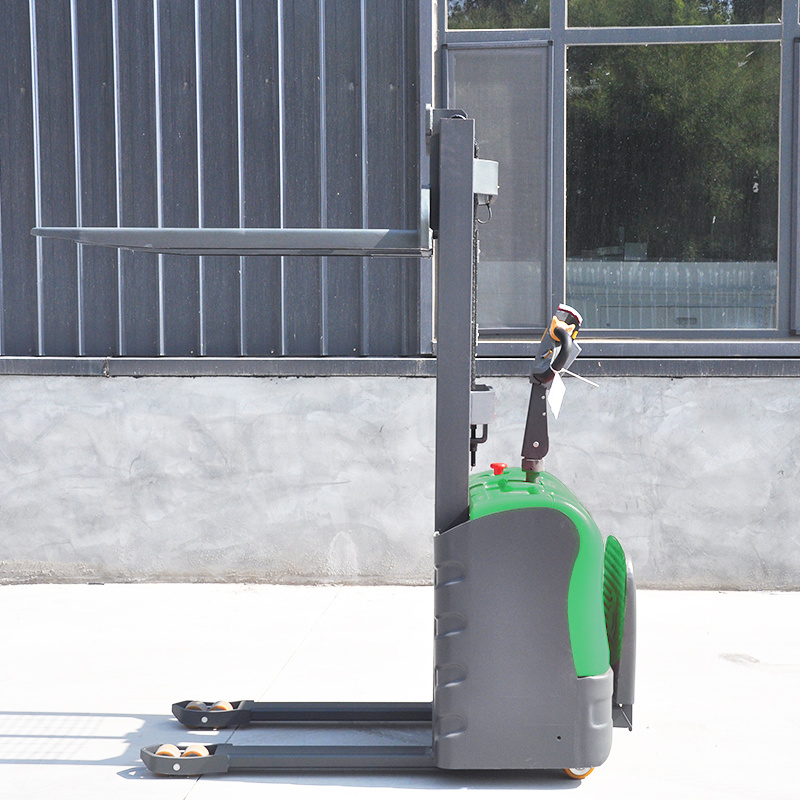
The Environmental Benefits of Switching to Electric Forklift Stackers
Introduction: Embracing Sustainability in Material Handling
In today's world, where environmental sustainability is becoming increasingly crucial, businesses are seeking ways to reduce their carbon footprint and promote greener practices. One significant step towards achieving this goal is by switching to electric forklift stackers. These advanced machines not only offer operational benefits but also contribute to a more sustainable environment. In this comprehensive article, we will explore the numerous environmental advantages of electric forklift stackers, providing detailed insights that can help your business make the switch.
Understanding Electric Forklift Stackers
Electric forklift stackers are material handling machines powered by electric batteries rather than traditional internal combustion engines. They are designed for lifting, stacking, and transporting goods in warehouses, distribution centers, and manufacturing facilities. The shift from diesel or gas-powered forklifts to electric models is gaining momentum in various industries, primarily due to the numerous benefits they provide.
The Carbon Footprint: A Key Environmental Concern
**Carbon emissions** from traditional forklifts contribute significantly to global warming and air pollution. The combustion of fossil fuels releases carbon dioxide and other harmful greenhouse gases (GHGs) into the atmosphere. By switching to electric forklift stackers, businesses can drastically reduce their carbon emissions, thereby playing a pivotal role in combating climate change.
Noise Pollution: An Overlooked Factor
Another environmental concern associated with traditional forklifts is noise pollution. Gas and diesel-powered forklifts are notoriously loud, contributing to a disruptive work environment. Electric forklift stackers operate much more quietly, minimizing noise pollution in warehouses and surrounding areas. This not only benefits the environment but also creates a more pleasant working atmosphere for employees.
Energy Efficiency and Cost Savings
Switching to electric forklift stackers is not only beneficial for the environment but also for your business's bottom line. These machines are designed with energy efficiency in mind, often consuming significantly less energy than their fossil fuel counterparts.
Reduced Energy Consumption
Electric forklifts typically consume about **50% less energy** than internal combustion models. This reduced energy consumption translates into lower operational costs, as businesses can save on fuel expenses and enjoy longer intervals between battery charging.
Lower Maintenance Costs
The maintenance requirements for electric forklift stackers are generally less demanding compared to traditional forklifts. Electric models have fewer moving parts, which means fewer components are subject to wear and tear. This leads to reduced maintenance costs and downtime, allowing businesses to allocate resources more effectively.
Enhanced Performance and Productivity
The benefits of electric forklift stackers extend beyond environmental impact; they also enhance operational performance.
Faster Operation
Electric forklift stackers are known for their quick acceleration and smooth operation, which can lead to increased productivity in material handling tasks. They can efficiently navigate tight spaces, making them ideal for busy warehouses and distribution centers.
Better Stability and Safety
Electric models often come equipped with advanced safety features, such as automatic braking systems and enhanced stability controls. This not only helps reduce the risk of accidents but also promotes safer working conditions for employees.
Long-Term Sustainability and Corporate Responsibility
Transitioning to electric forklift stackers is not just a smart business decision; it is also a commitment to sustainability and corporate responsibility.
Supporting a Circular Economy
By opting for electric forklifts, businesses contribute to a circular economy, where the focus is on sustainability and the responsible use of resources. This includes not only using clean energy sources but also ensuring that the materials used in manufacturing these machines are recyclable or sustainably sourced.
Meeting Regulatory Standards
Governments worldwide are implementing stricter regulations regarding emissions and environmental practices. By switching to electric forklift stackers, businesses can better align with these regulations, reducing the risk of fines and penalties while enhancing their corporate image.
FAQs about Electric Forklift Stackers
1. What is the lifespan of an electric forklift stacker?
Electric forklift stackers typically have a lifespan of **8 to 10 years**, depending on usage and maintenance. Proper care can extend their operational life.
2. How much can I save by switching to electric forklifts?
On average, businesses can save around **30-40%** on operational costs when switching from gas or diesel forklifts to electric models, factoring in energy savings and reduced maintenance.
3. Are electric forklift stackers suitable for outdoor use?
While electric forklifts are primarily designed for indoor use, there are models specifically engineered for outdoor operations, featuring weather-resistant designs.
4. How do I charge an electric forklift stacker?
Charging an electric forklift stacker is similar to charging an electric vehicle. You simply plug it into a charging station, which can be set up in your warehouse or facility.
5. What are the environmental regulations regarding forklift emissions?
Regulations vary by region, but many countries are implementing stricter emissions standards for industrial machinery. Electric forklifts help businesses comply with these regulations.
Implementing the Switch: A Step-by-Step Guide
Making the transition to electric forklift stackers requires careful planning and execution. Here is a step-by-step guide to help you through the process.
1. Assess Your Needs
Evaluate your current material handling operations to determine the specific requirements for electric forklift stackers. Consider factors such as load capacity, lifting height, and operational environment.
2. Research Electric Forklift Models
Investigate various electric forklift models available in the market, focusing on their specifications and performance ratings. Ensure that they align with your operational needs.
3. Calculate Total Cost of Ownership
Analyze the total cost of ownership, including purchase price, operational costs, maintenance, and potential savings from switching to electric models.
4. Develop a Training Program
Implement a training program for your staff to familiarize them with the operation and maintenance of electric forklift stackers. Proper training ensures safety and maximizes productivity.
5. Monitor Performance and Make Adjustments
After the switch, continuously monitor the performance of electric forklifts. Gather feedback from operators and make necessary adjustments to optimize efficiency.
Conclusion: A Greener Future Awaits
Switching to electric forklift stackers is a significant step towards achieving environmental sustainability in material handling. By reducing carbon emissions, minimizing noise pollution, and enhancing operational efficiency, businesses can positively impact the environment while enjoying substantial cost savings. Embracing this technology is not just a choice; it is a commitment to a greener future for generations to come. Whether you are a small business or a large corporation, the transition to electric forklift stackers is a strategic move that aligns with the global shift towards sustainability. Now is the time to act and become a part of this eco-friendly revolution.
Contact Us

Professional forklift manufacturer
Products Hotline:+86-19203299111
WhatsApp:+8613582499666
Email:sales@good-forklift.com
Wechat:+86-19203299111
Mobile website