

Choosing the Best Electric Portable Forklift for Your Application: A Comprehensive Guide
Apr 02,2026
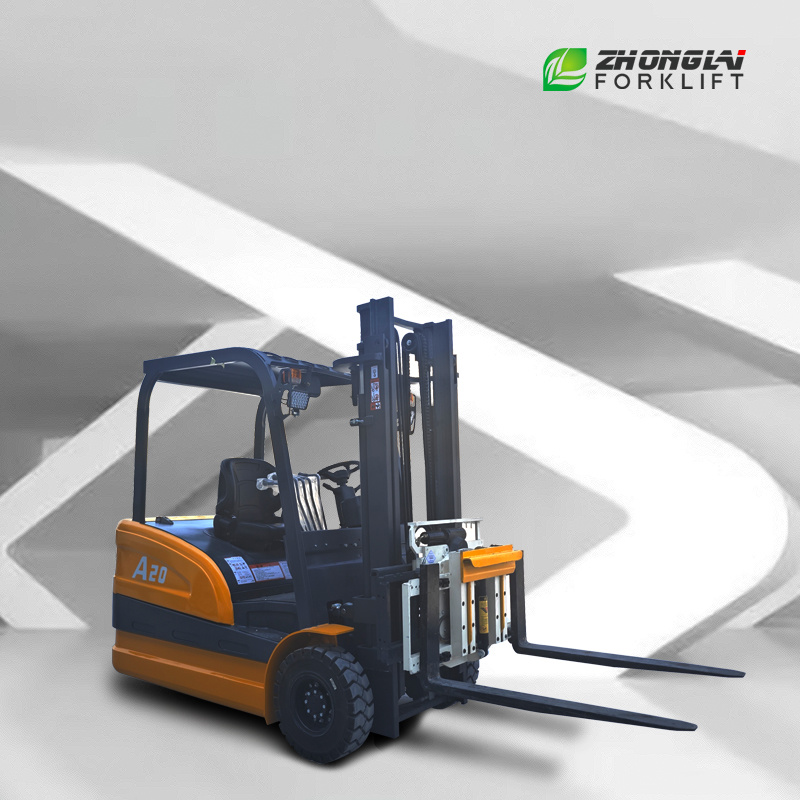
Choosing the Best Electric Portable Forklift for Your Application
Table of Contents
- Understanding Electric Portable Forklifts
- Advantages of Electric Portable Forklifts
- Key Features to Consider
- Capacity and Lifting Height
- Battery Life and Charging
- Maneuverability and Design
- Safety Features in Electric Portable Forklifts
- Maintenance and Support
- Top Electric Portable Forklift Models
- Frequently Asked Questions
- Conclusion
Understanding Electric Portable Forklifts
Electric portable forklifts are essential tools for many industries, ranging from warehousing and logistics to manufacturing and construction. These forklifts are designed to lift and transport heavy materials, providing a compact and efficient solution for moving goods in tight spaces. Unlike traditional gas-powered forklifts, electric models offer a quieter, more environmentally friendly alternative, making them suitable for indoor applications.
What Makes Electric Portable Forklifts Unique?
Electric portable forklifts combine the convenience of portability with powerful lifting capabilities. They typically feature smaller dimensions and lightweight designs, allowing operators to navigate narrow aisles and congested work areas with ease. Furthermore, electric forklifts eliminate harmful emissions, making them a great choice for businesses focused on sustainability.
Advantages of Electric Portable Forklifts
Choosing an electric portable forklift comes with numerous advantages that can significantly enhance your operations.
1. Environmentally Friendly
Electric forklifts produce no carbon emissions, making them an excellent choice for businesses seeking to reduce their ecological footprint. This feature is particularly important for indoor use, where air quality can be a concern.
2. Lower Operating Costs
Electric forklifts generally have lower operating costs compared to their gas-powered counterparts. With fewer moving parts, maintenance requirements are reduced, leading to significant savings over time. Additionally, the cost of electricity is often lower than gasoline, further enhancing cost-effectiveness.
3. Quiet Operation
The quiet operation of electric forklifts is a significant advantage in environments where noise levels need to be minimized. This makes them ideal for use in warehouses, retail spaces, and offices where distractions must be kept to a minimum.
4. Enhanced Safety Features
Electric portable forklifts often come equipped with advanced safety features, such as automatic braking systems and load management technology. These enhancements help prevent accidents and ensure safer operations.
Key Features to Consider
When selecting the best electric portable forklift for your application, several key features must be taken into account. These factors will help you make an informed decision and ensure that your choice meets your unique operational needs.
1. Lifting Capacity
The lifting capacity of a forklift determines how much weight it can safely handle. Assess your typical loads to choose a model with an appropriate capacity. Forklifts are available in various capacities, so consider both the maximum weight and the typical load you will be handling.
2. Lift Height
The required lift height is another critical factor. Ensure that the forklift you select can reach the necessary heights for your application, especially if you will be stacking materials or using racking systems.
3. Battery Type and Life
Battery performance is crucial for electric forklifts. Factors such as battery type, life span, and charging time can all impact your operations. Lithium-ion batteries are becoming increasingly popular due to their longer life and shorter charging times.
4. Size and Maneuverability
Evaluate the workspace where the forklift will be used. If your environment has narrow aisles or limited space, opt for a compact model that offers excellent maneuverability.
Capacity and Lifting Height
Understanding the relationship between capacity and lifting height is fundamental when selecting an electric portable forklift.
The Importance of Capacity
Selecting a forklift with the correct lifting capacity is vital for safety and efficiency. Overloading a forklift can drastically increase the risk of accidents and damage both to goods and the machine itself. Always consult the manufacturer's specifications to ensure you are choosing a model that can handle your typical loads.
Considering Lift Height
Lift height requirements can vary significantly depending on your industry and application. When selecting a forklift, consider the maximum height you need to reach and any potential obstacles in your work environment. Models are available with various lift height options to accommodate different needs.
Battery Life and Charging
Battery life is one of the most critical aspects of electric portable forklifts.
Evaluating Battery Life
A forklift with a longer battery life can provide extended usage throughout the day without the need for frequent recharging. This is especially important in operations with high demands.
Charging Options
Consider the charging options available for the forklift. Some models offer rapid charging capabilities, allowing for a quicker turnaround between shifts. Additionally, consider whether you have access to sufficient electrical infrastructure to support the charging needs of the forklift.
Maneuverability and Design
Maneuverability is a vital feature for any electric portable forklift, especially in restricted or intricate environments.
Compact Designs for Tight Spaces
Many manufacturers offer compact designs tailored for confined spaces. These models typically feature tighter turning radiuses and smaller footprints, allowing operators to navigate through tight aisles and crowded areas with ease.
Ergonomic Considerations
The design should also prioritize operator comfort. Assess the ergonomics of the forklift, including seat design, controls, and visibility. A comfortable operator is more efficient and less prone to fatigue, which enhances overall productivity.
Safety Features in Electric Portable Forklifts
Safety should always be a priority when selecting a forklift.
1. Stability Features
Many electric portable forklifts include stability features such as automatic load leveling, which helps maintain a center of gravity and prevents tipping.
2. Visibility Enhancements
Good visibility is crucial for safety in any warehouse. Forklifts with clear sightlines and safety mirrors can help operators see their surroundings better, reducing the risk of accidents.
3. Alarm Systems
Alarm systems that alert others when a forklift is in motion can enhance safety in busy environments. Look for models that include integrated warning systems to improve overall workplace safety.
Maintenance and Support
Proper maintenance is essential to ensure the longevity and reliability of any forklift.
1. Regular Maintenance Requirements
Electric forklifts require less maintenance than gas models, but they still need regular checks for battery performance, tire condition, and overall functionality. Understanding the recommended maintenance schedule can prevent costly repairs in the future.
2. Manufacturer Support
Choose a manufacturer that provides strong customer support and service. Having access to timely maintenance and parts can significantly affect the operational downtime of your forklift.
Top Electric Portable Forklift Models
Here, we highlight some of the best electric portable forklifts currently available, known for their performance, features, and reliability.
1. Model A: The Compact Powerhouse
This model is designed specifically for tight spaces, offering exceptional maneuverability without sacrificing lifting capacity. It comes equipped with advanced safety features and a long-lasting battery.
2. Model B: The Heavy-Duty Champion
Ideal for heavy loads, Model B boasts a robust lifting capacity and extended battery life. Its ergonomic design ensures operator comfort, making it suitable for long shifts.
3. Model C: The Versatile Workhorse
This model offers a balance of power and portability, making it perfect for various applications. It comes with multiple attachments, enhancing its versatility across different tasks.
Frequently Asked Questions
1. What is the average lifespan of an electric portable forklift?
The average lifespan can vary, but with proper maintenance, electric forklifts typically last between 10 to 15 years.
2. How often should I charge my electric forklift?
It is recommended to charge your electric forklift after each shift or when the battery reaches around 20% capacity to ensure optimal performance and longevity.
3. Can electric forklifts be used outdoors?
While electric forklifts are primarily designed for indoor use, some models are suitable for outdoor use, particularly in dry and flat environments.
4. What safety training is required for operators?
Operators should undergo safety training that covers forklift operation, load handling, and emergency procedures. Training should be compliant with local regulations.
5. Are electric forklifts more cost-effective than gas-powered models?
Yes, electric forklifts generally have lower operational and maintenance costs, making them a more cost-effective choice in the long run.
Conclusion
Choosing the best electric portable forklift for your application is a significant decision that can impact your operational efficiency. By considering factors such as lifting capacity, battery life, maneuverability, and safety features, you can make an informed choice tailored to your specific needs. With a thorough understanding of the advantages and key features of electric portable forklifts, you will be well-equipped to enhance your productivity and ensure a safer working environment. Make the right investment today, and experience the benefits of optimal material handling solutions.
Contact Us

Professional forklift manufacturer
Products Hotline:+86-19203299111
WhatsApp:+8613582499666
Email:sales@good-forklift.com
Wechat:+86-19203299111
Mobile website