

How to Effectively Train Your Team on Electric Forklift Stacker Operations for Maximum Efficiency
Mar 21,2026
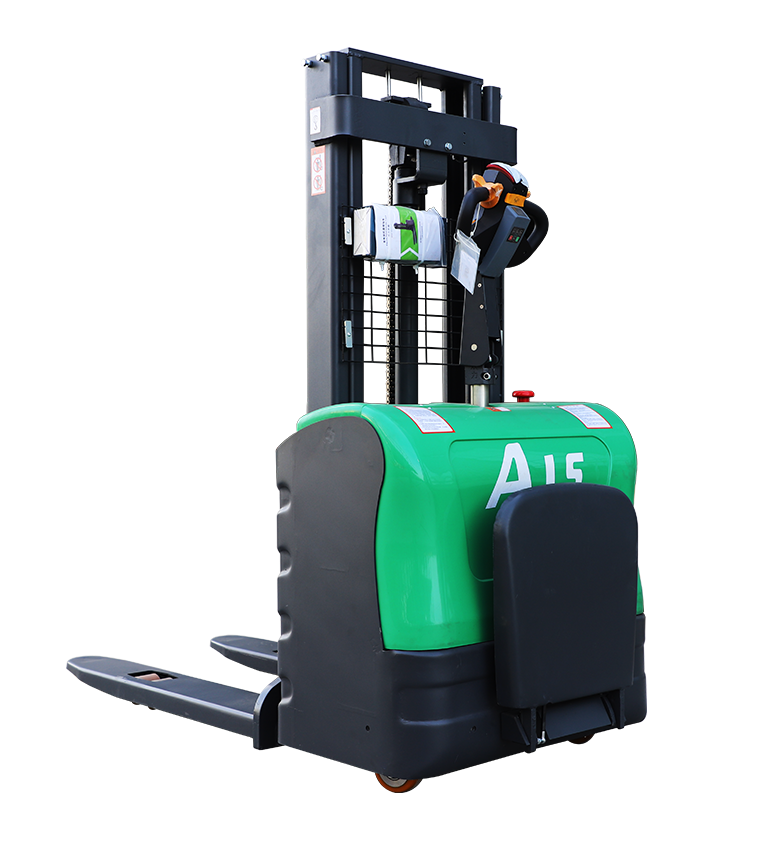
How to Effectively Train Your Team on Electric Forklift Stacker Operations
Table of Contents
- Introduction to Electric Forklift Stackers
- The Importance of Training in Electric Forklift Operations
- Structuring an Effective Training Program
- Understanding Safety Regulations and Compliance
- Hands-On Training Techniques for Electric Forklift Stackers
- Evaluating Employee Performance and Proficiency
- The Need for Ongoing Training and Skill Development
- Conclusion: Elevating Your Team's Proficiency
- FAQs
Introduction to Electric Forklift Stackers
Electric forklift stackers are essential tools in modern warehouse operations, designed to facilitate the efficient movement and stacking of goods. With the rise in demand for automation and efficiency in logistics, understanding how to operate these machines proficiently becomes critical. Training your team on electric forklift stacker operations not only improves productivity but also enhances workplace safety.
In this guide, we will explore effective methods to train your team, ensuring they are skilled in both operation and safety protocols related to electric forklift stackers.
The Importance of Training in Electric Forklift Operations
Efficient operation of electric forklift stackers is crucial for several reasons:
1. Safety First
Operating heavy machinery like electric forklift stackers can pose significant safety risks. Proper training minimizes the likelihood of accidents, injuries, and costly damages. It is essential that every operator understands the importance of safety protocols.
2. Enhanced Productivity
Trained employees can operate machinery more efficiently, leading to faster loading and unloading times. This ultimately helps businesses meet their operational goals and improve service delivery.
3. Compliance with Regulations
Various regulations govern the operation of forklifts. Training your team ensures that your operations remain compliant with local and national safety regulations, thus avoiding penalties.
Structuring an Effective Training Program
Developing a structured training program is vital for ensuring comprehensive learning. Below are the steps to follow:
1. Assess Training Needs
Evaluate the current skill levels of your employees. Identify gaps in knowledge and areas requiring improvement. This assessment will guide the content of your training program.
2. Set Clear Objectives
Establish specific, measurable goals for the training. For instance, ensuring each team member can demonstrate basic operational skills and safety practices after completion.
3. Develop Training Materials
Create or source training materials, including manuals, videos, and checklists. Ensure these resources cover both theoretical knowledge and practical skills.
4. Schedule Training Sessions
Plan the training sessions at convenient times to maximize attendance without disrupting daily operations. Consider splitting sessions into smaller groups for better engagement.
Understanding Safety Regulations and Compliance
Understanding safety regulations is paramount in forklift operations. Workers must be well-versed in the regulations that govern electric forklift stacker usage.
1. OSHA Standards
The Occupational Safety and Health Administration (OSHA) provides guidelines on training requirements for forklift operators. Familiarize your team with these standards to ensure compliance.
2. Manufacturer Guidelines
Each electric forklift stacker model comes with specific operational guidelines provided by the manufacturer. Ensure your training incorporates these guidelines to promote safe usage.
3. Local Regulations
In addition to OSHA, check for any local regulations that may impact forklift operations in your area.
Hands-On Training Techniques for Electric Forklift Stackers
Hands-on training is essential for mastering electric forklift stacker operations. Here are some effective techniques:
1. Simulator Training
Consider using forklifts simulators to provide an initial training experience without the risks associated with real-world operation. This allows operators to become familiar with controls and basic operations in a controlled environment.
2. Shadowing Experienced Operators
Allow new operators to shadow seasoned forklift drivers. This mentorship style offers practical insights and tips that can enhance learning.
3. Practical Assessments
Conduct practical assessments at the end of the training sessions. This will evaluate the proficiency of each operator and help identify areas needing further training.
Evaluating Employee Performance and Proficiency
Monitoring and evaluating performance is crucial in ensuring ongoing safety and efficiency.
1. Regular Assessments
Conduct regular assessments to gauge skills retention. Use both written tests and practical demonstrations to get a comprehensive view of each operator’s capabilities.
2. Feedback Mechanism
Create a feedback mechanism where operators can report difficulties or challenges they encounter during operations. This will help in continuously improving the training program.
3. Certification
Upon successful completion of training and evaluations, consider providing certification. This not only acknowledges their skill but also serves as a motivational tool for operators.
The Need for Ongoing Training and Skill Development
Training should not be a one-time event. Ongoing education is vital for maintaining skill levels and keeping up with industry advancements.
1. Refresher Courses
Implement periodic refresher courses to reinforce knowledge and skills. This is particularly important after changes in regulations or equipment.
2. Keeping Up with Technology
As electric forklift technology evolves, it is essential to keep your team updated. Regularly introduce new training modules that focus on advanced features and operational techniques.
3. Continuous Improvement Programs
Encourage a culture of continuous improvement where operators can learn new skills and share knowledge. Conduct workshops focusing on best practices and innovations in the industry.
Conclusion: Elevating Your Team's Proficiency
Training your team on electric forklift stacker operations is an investment that pays dividends in safety, efficiency, and compliance. By establishing a structured training program, understanding safety regulations, and fostering ongoing education, you can equip your workforce with the necessary skills to excel in their roles. A well-trained team results in improved operations, reduced accidents, and increased productivity, ultimately contributing to the success of your logistics operations.
FAQs
1. What is the duration of electric forklift stacker training?
The duration can vary depending on the training methods used, but typically, comprehensive training spans from a few days to a couple of weeks.
2. Are there certifications required for electric forklift operators?
Yes, operators are often required to obtain certification that complies with OSHA standards and other local regulations.
3. What are common safety hazards associated with electric forklift stackers?
Common hazards include collisions, tip-overs, and injuries from improper lifting techniques. Training emphasizes safe operational practices to mitigate these risks.
4. How often should refresher training be conducted?
Refresher training should be conducted at least annually or whenever there are changes in regulations, equipment, or operational procedures.
5. Can training be conducted in-house, or should it be outsourced?
Training can be conducted in-house if you have qualified instructors. However, outsourcing to professional training providers can ensure comprehensive and up-to-date instruction.
Contact Us

Professional forklift manufacturer
Products Hotline:+86-19203299111
WhatsApp:+8613582499666
Email:sales@good-forklift.com
Wechat:+86-19203299111
Mobile website