

Electric Portable Forklifts: Trends Shaping the Future of Material Handling
Mar 15,2026
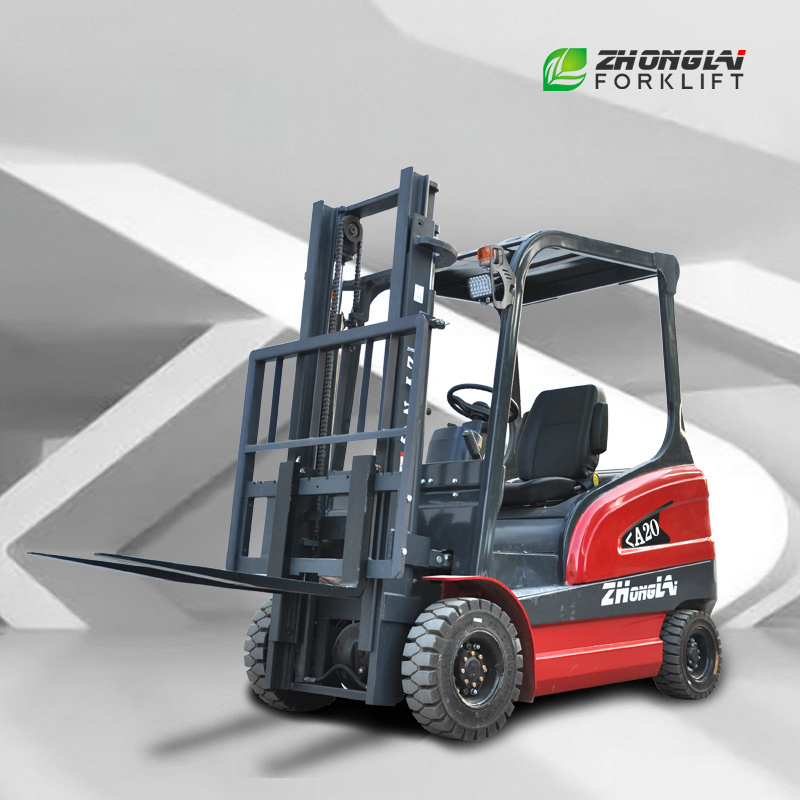
Electric Portable Forklifts: Trends Shaping the Future of Material Handling
The material handling industry is undergoing a significant transformation, driven largely by advancements in technology and a growing emphasis on sustainability. One of the most notable developments in this space is the rise of electric portable forklifts. These innovative machines are not only enhancing productivity but also addressing key operational challenges faced by businesses in various sectors. In this comprehensive article, we will explore the trends shaping the future of electric portable forklifts, their advantages, and how businesses can leverage them for improved efficiency and safety.
Table of Contents
- Understanding Electric Portable Forklifts
- Emerging Trends in Electric Forklifts
- Benefits of Electric Portable Forklifts
- Technological Advancements in Electric Forklifts
- Sustainability and Electric Forklifts
- Regulatory and Safety Considerations
- Future Outlook for Electric Portable Forklifts
- Frequently Asked Questions
Understanding Electric Portable Forklifts
Electric portable forklifts are lightweight, compact, and efficient material handling equipment designed to operate in tight spaces. Unlike traditional forklift models that rely on internal combustion engines, these forklifts run on electric power, making them ideal for indoor operations where air quality and noise levels are concerns. They are equipped with advanced batteries that provide sufficient power for extended usage, delivering excellent performance in loading and unloading tasks.
The Design and Functionality of Electric Portable Forklifts
Designed for versatility, electric portable forklifts come in various configurations to suit diverse operational needs. They can be utilized in warehouses, retail environments, and construction sites. Key features include:
- Compact Size: Ideal for navigating narrow aisles and small spaces.
- Flexible Lifting Capacity: Suitable for various load sizes and weights.
- User-Friendly Controls: Easy to operate, reducing training time for new operators.
Emerging Trends in Electric Forklifts
The electric forklift market is witnessing several trends that indicate a shift towards more efficient and sustainable material handling solutions. Understanding these trends can help businesses stay ahead of the competition.
Automation and Smart Technology
Automation is becoming increasingly prevalent in the material handling industry. Many electric portable forklifts are now equipped with smart technology, including sensors and connectivity features that enable real-time monitoring and data collection. These advancements allow for:
- Improved Operational Efficiency: Automated systems enhance productivity by minimizing human error and optimizing load handling.
- Predictive Maintenance: Data analytics can predict equipment failures before they occur, reducing downtime and maximizing operational efficiency.
Enhanced Battery Technology
Battery technology has advanced significantly, improving the performance and lifespan of electric portable forklifts. New lithium-ion batteries offer faster charging times and longer operational durations, making them a preferred choice for many businesses. These batteries are also lighter than traditional lead-acid batteries, contributing to the forklift's overall efficiency.
Benefits of Electric Portable Forklifts
Electric portable forklifts offer a multitude of benefits, making them an attractive option for businesses looking to enhance their material handling operations.
Cost-Effectiveness
Although the initial investment in electric portable forklifts may be higher than that of traditional models, the long-term savings on fuel, maintenance, and labor costs can make them more cost-effective. Additionally, many electric forklifts qualify for government incentives and tax credits aimed at promoting environmentally friendly solutions.
Improved Safety
Safety is a top priority in material handling operations. Electric forklifts contribute to safer working environments in several ways:
- Lower Noise Levels: Electric forklifts operate quietly, minimizing noise pollution and allowing for better communication on the work floor.
- Reduced Emissions: Eliminating exhaust fumes helps improve air quality, benefiting both workers and the environment.
Flexibility and Maneuverability
The compact design of electric portable forklifts allows them to navigate crowded spaces with ease. This flexibility makes them ideal for urban environments and tight warehouse layouts where space is limited.
Technological Advancements in Electric Forklifts
The evolution of technology is pivotal in the advancement of electric portable forklifts. Innovations in design and functionality are continuously enhancing their capabilities.
Integration with IoT
Internet of Things (IoT) technology allows electric forklifts to connect to the cloud, enabling fleet managers to monitor performance metrics, track usage, and manage maintenance schedules efficiently. The ability to access real-time data aids in making informed decisions that can optimize productivity.
Enhanced Ergonomics
Modern electric forklifts are designed with the operator's comfort in mind. Ergonomic designs reduce operator fatigue and improve overall workplace safety. Features such as adjustable seating, intuitive control systems, and improved visibility contribute to a more comfortable working environment.
Sustainability and Electric Forklifts
With a growing emphasis on sustainability, businesses are increasingly turning to electric forklifts as greener alternatives. The sustainability aspect of electric portable forklifts is multi-faceted:
Reduced Carbon Footprint
Electric forklifts produce zero emissions during operation, significantly contributing to a reduction in the overall carbon footprint of logistics operations. By shifting to electric models, businesses can enhance their corporate social responsibility efforts and appeal to environmentally conscious consumers.
Energy Efficiency
Electric forklifts are more energy-efficient compared to their diesel counterparts. This efficiency not only translates to lower operating costs but also benefits the environment by reducing energy consumption.
Regulatory and Safety Considerations
As the use of electric forklifts becomes more widespread, regulatory compliance and safety standards must be adhered to. Understanding these regulations is essential for safe and efficient operations.
Compliance with OSHA Standards
Electric forklifts must comply with the Occupational Safety and Health Administration (OSHA) regulations. This includes proper training for operators, routine safety inspections, and adherence to maintenance schedules. Staying compliant helps ensure a safe working environment and minimizes the risk of accidents.
Regular Safety Audits
Conducting regular safety audits can help identify potential hazards and ensure that all safety protocols are being followed. Regular training sessions for employees on the safe operation of electric forklifts can further enhance safety awareness on the work floor.
Future Outlook for Electric Portable Forklifts
The future of electric portable forklifts looks promising as technology continues to advance and the demand for sustainable solutions grows. Businesses that adopt electric forklifts will likely enjoy competitive advantages in efficiency and operational costs.
Integration with Robotics
In the coming years, we can expect to see more integration of robotics with electric portable forklifts, further enhancing automation in warehouses. Robotic forklifts will work alongside human operators, optimizing workflow and increasing productivity.
Global Market Trends
The global electric forklift market is projected to grow steadily, driven by the increasing demand for efficient material handling solutions. As more businesses recognize the benefits of electric forklifts, the market is likely to witness rapid advancements and innovations.
Frequently Asked Questions
1. What are the main advantages of electric portable forklifts?
Electric portable forklifts offer numerous advantages, including cost-effectiveness, improved safety, and flexibility in maneuvering within tight spaces.
2. How do electric forklifts compare to traditional diesel forklifts?
Electric forklifts produce zero emissions, operate quieter, and often require lower maintenance compared to diesel forklifts, making them a more sustainable choice.
3. What is the lifespan of an electric forklift battery?
With proper maintenance, lithium-ion batteries can last up to 5-10 years, depending on usage and charging practices.
4. Are electric forklifts suitable for outdoor use?
While electric forklifts are primarily designed for indoor operations, some models are equipped for outdoor use. However, it’s essential to select the right type based on the working environment.
5. What training is required for operating electric forklifts?
Operators must undergo safety training and certification as mandated by OSHA. This training covers safe operation, maintenance, and handling of the equipment.
Conclusion
Electric portable forklifts are not just a trend; they represent the future of material handling. As businesses continue to prioritize efficiency and sustainability, electric forklifts will play a crucial role in transforming logistics operations. By embracing technological advancements and adhering to safety standards, organizations can leverage the benefits of electric forklifts to enhance productivity, reduce costs, and create a safer work environment. Embracing these changes not only positions businesses for success but also contributes positively to the environment, reflecting a commitment to sustainable practices in the material handling industry.
Contact Us

Professional forklift manufacturer
Products Hotline:+86-19203299111
WhatsApp:+8613582499666
Email:sales@good-forklift.com
Wechat:+86-19203299111
Mobile website