

Electric Forklift Stackers: Your Ultimate Guide for Various Warehouse Environments
Mar 03,2026
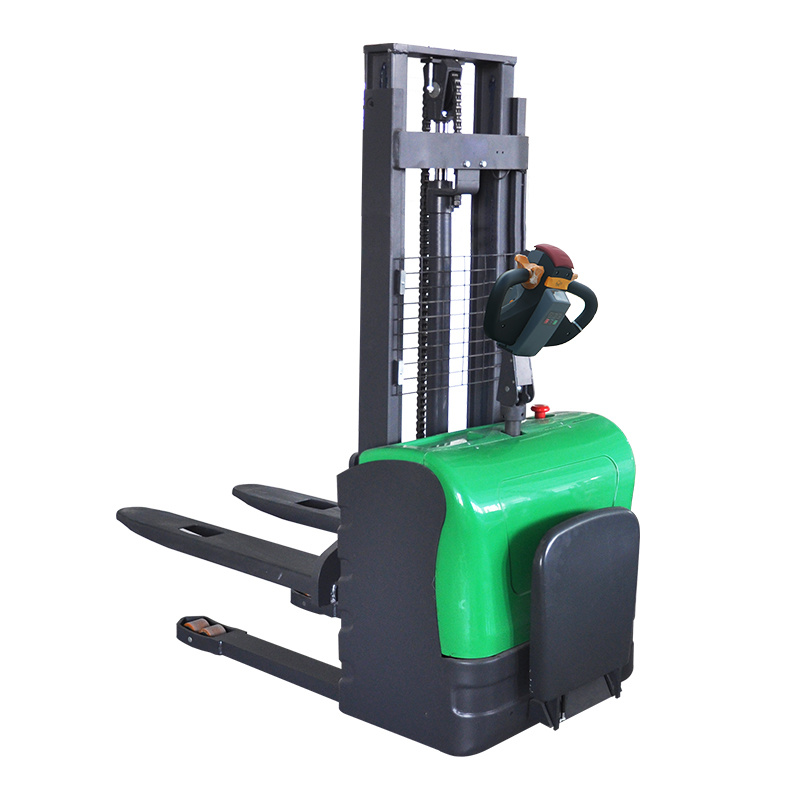
Electric Forklift Stackers for Different Warehouse Environments
Introduction to Electric Forklift Stackers
In today's fast-paced logistics and warehousing sector, **electric forklift stackers** have emerged as indispensable tools. These versatile machines facilitate the movement and storage of goods, enhancing operational efficiency and safety. Whether you're managing a small warehouse or a large distribution center, understanding the different types of electric forklift stackers and their suitability for various environments is crucial.
Understanding Electric Forklift Stackers
Electric forklift stackers are designed for lifting and transporting materials in a warehouse. Unlike traditional forklifts, these stackers operate on battery power, offering several benefits, including reduced emissions, lower noise levels, and lower operational costs. They come in various models and configurations, making them suitable for diverse warehouse needs.
The Importance of Selecting the Right Forklift Stacker
Choosing the right electric forklift stacker can significantly affect your warehouse's efficiency and safety. Consider factors such as:
- **Load capacity**
- **Maneuverability**
- **Height requirements**
- **Environment (indoor/outdoor)**
By understanding these factors, businesses can optimize their operations and ensure safety.
Types of Electric Forklift Stackers
There are several types of electric forklift stackers tailored for specific tasks and environments. Below, we discuss the most common types.
1. Walkie Stackers
Walkie stackers are compact and designed for maneuverability in tight spaces. They are typically used in smaller warehouses or retail environments where operators can walk alongside the stacker. With a load capacity ranging from 1,000 to 3,500 pounds, walkie stackers excel in low to medium-height stacking tasks.
2. Rider Stackers
Rider stackers allow operators to ride on the machine while controlling it, making them more efficient for larger warehouses. They often feature greater load capacities (up to 4,500 pounds) and can reach higher stacking heights. Rider stackers are ideal for medium to large warehouses with extensive racking systems.
3. High-Lift Stackers
High-lift stackers are specifically designed for lifting heavy loads to greater heights, often exceeding 20 feet. These stackers are essential in warehouses with multi-tier racking systems, enabling safe and efficient storage of goods at height.
4. Pallet Stackers
Pallet stackers are designed for transporting and stacking pallets. They are ideal for warehouses with a high turnover of palletized goods, allowing for quick and efficient handling of products.
Warehouse Environments and Their Requirements
Different warehouse environments pose unique challenges that influence the selection of electric forklift stackers. Here, we outline various environments and their specific needs.
1. Cold Storage Warehouses
Cold storage warehouses require specialized electric forklift stackers that can operate efficiently in low-temperature environments. These stackers often feature enhanced insulation and components that withstand extreme temperatures, ensuring reliability and safety.
2. High-Density Storage Facilities
In facilities where maximizing vertical space is critical, high-density storage systems often employ electric forklift stackers with high-lift capabilities. These machines allow for the safe stacking and retrieval of goods at various heights, optimizing storage density.
3. Retail and Distribution Centers
For retail and distribution centers, agility and speed are paramount. Electric forklift stackers in these environments must maneuver quickly through aisles and adapt to frequent inventory changes. Walkie and rider stackers are often preferred in these settings for their versatility and ease of use.
Advantages of Using Electric Forklift Stackers
The adoption of electric forklift stackers offers numerous advantages for warehouse operations:
1. Environmental Impact
Electric forklifts produce zero emissions, making them an eco-friendly choice, especially in enclosed spaces. This contributes to improved air quality and a healthier working environment for employees.
2. Cost Savings
While the initial investment may be higher than traditional forklifts, electric stackers often result in lower total cost of ownership due to reduced maintenance and energy costs.
3. Noise Reduction
Electric stackers operate quietly, minimizing noise pollution in the workplace. This is particularly beneficial in environments where employees work in close proximity to machinery.
Safety Considerations When Using Electric Forklift Stackers
Safety is paramount in warehouse operations. Here are some crucial safety considerations when using electric forklift stackers:
1. Operator Training
Proper training is essential for operators to handle electric stackers safely. Regular training sessions help employees to become familiar with safety protocols and best practices.
2. Regular Maintenance
Keep electric stackers well-maintained to prevent malfunctions. Regular inspections and servicing are vital to ensure all components function correctly.
3. Warehouse Layout
A well-organized warehouse layout enhances safety. Ensure that aisles are clear, and there’s sufficient space for stackers to maneuver without risk.
Choosing the Right Electric Forklift Stacker for Your Warehouse
Selecting the right electric forklift stacker involves careful consideration of various factors. Here’s a step-by-step guide to help you make an informed decision.
1. Assess Your Warehouse Needs
Evaluate the specific needs of your warehouse, including load types, storage heights, and available space. Understanding these requirements will guide you toward the most suitable stacker model.
2. Consider Load Capacity
Determine the maximum weight you will need to lift and transport. Ensure that the electric stacker you choose can safely handle this load without compromising performance.
3. Evaluate Maneuverability
Consider the layout of your warehouse. If you operate in tight spaces, prioritize compact stackers that offer excellent maneuverability.
4. Review Battery Life and Charging Options
Battery life is crucial for uninterrupted operations. Opt for models with extended battery life and convenient charging options to minimize downtime.
FAQs About Electric Forklift Stackers
1. What is the average lifespan of an electric forklift stacker?
The lifespan of an electric forklift stacker typically ranges from 5 to 10 years, depending on usage and maintenance practices.
2. Are electric forklift stackers suitable for outdoor use?
While some electric stackers are designed for outdoor use, they may not perform optimally on rough terrain. Always check manufacturer specifications before deployment.
3. How do I charge an electric forklift stacker?
Most electric forklift stackers come with a standard charging system. Simply plug the charger into a power source, connect it to the stacker, and follow the manufacturer's guidelines.
4. What maintenance is required for electric forklift stackers?
Regular maintenance includes battery checks, tire inspections, and ensuring that all moving parts are lubricated and functioning properly.
5. Can electric forklift stackers be upgraded with additional features?
Many electric stackers can be equipped with additional features such as safety lights, cameras, and load management systems. Consult with your supplier for upgrade options.
Conclusion
Electric forklift stackers have transformed warehouse operations by offering efficiency, safety, and environmental benefits. Understanding the various types of stackers and their suitability for different warehouse environments allows businesses to optimize their logistics processes. By considering factors such as load capacity, maneuverability, and the specific needs of your warehouse, you can select the ideal electric forklift stacker to enhance productivity. Investing in the right equipment, combined with proper training and maintenance, ensures a safe and efficient working environment, leading to long-term success in your operations.
Contact Us

Professional forklift manufacturer
Products Hotline:+86-19203299111
WhatsApp:+8613582499666
Email:sales@good-forklift.com
Wechat:+86-19203299111
Mobile website