

How to Optimize Your Warehouse Operations with Electric Portable Forklifts
Feb 25,2026
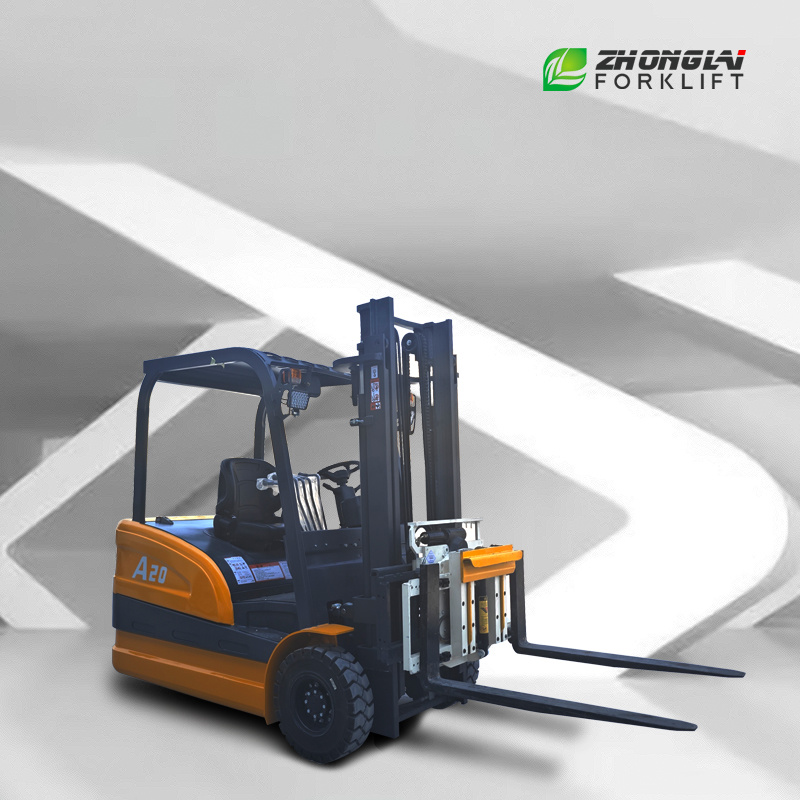
How to Optimize Your Warehouse Operations with Electric Portable Forklifts
In today's fast-paced logistics environment, streamlining warehouse operations is paramount to maintaining a competitive edge. Among the most effective solutions for enhancing operational efficiency are electric portable forklifts. These versatile machines not only reduce the physical strain on workers but also offer a range of benefits that contribute to smoother workflows. In this article, we will explore how to optimize your warehouse operations using electric portable forklifts, providing comprehensive insights and actionable strategies.
Understanding Electric Portable Forklifts
Electric portable forklifts are designed for maneuverability and efficiency in tight spaces. Unlike conventional forklifts, these machines operate on battery power, making them an eco-friendly choice for warehouses. Their lightweight design and compact dimensions enable them to navigate crowded aisles and transport goods quickly and safely. Let's delve deeper into the characteristics that set electric portable forklifts apart.
Features of Electric Portable Forklifts
When considering electric portable forklifts for your warehouse, it's crucial to understand their key features:
- Battery-Powered Operation: Electric forklifts eliminate the need for fuel, reducing operating costs and environmental impact.
- Compact Design: Their smaller size allows for greater maneuverability in tight spaces, enhancing workflow efficiency.
- Reduced Noise Levels: Operating quietly, these forklifts create a more pleasant working environment.
- Low Maintenance Costs: With fewer moving parts than internal combustion engines, electric forklifts typically require less maintenance.
Benefits of Using Electric Portable Forklifts in Warehouse Operations
Electric portable forklifts offer numerous advantages that can directly impact warehouse productivity:
- Increased Efficiency: Their speed and ease of use allow for faster material handling, resulting in shorter wait times and improved workflow.
- Enhanced Safety: These forklifts often come equipped with advanced safety features, reducing the risk of accidents and injuries.
- Environmental Considerations: Choosing electric models supports sustainability efforts by minimizing emissions and energy consumption.
- Cost Savings: Lower energy and maintenance costs lead to significant savings over the lifespan of the equipment.
Strategies to Optimize Warehouse Operations with Electric Portable Forklifts
Integrating electric portable forklifts into your warehouse operations requires a strategic approach. Here are several effective strategies to consider:
1. Conduct a Thorough Needs Assessment
Before introducing electric portable forklifts into your warehouse, conduct a thorough assessment of your operational needs. Analyze factors such as the types of goods you handle, the size of your warehouse, and the frequency of forklift use. This information will guide you in selecting the right models for your specific requirements.
2. Train Your Workforce
Proper training is essential to maximize the benefits of electric portable forklifts. Ensure that all operators receive comprehensive training on how to safely and effectively use the equipment. Training should cover:
- Basic operation and controls
- Safety protocols and best practices
- Battery maintenance and charging procedures
3. Implement Safety Protocols
Safety should always be a priority when using forklifts in a warehouse setting. Establish clear safety protocols that include:
- Regular inspections and maintenance of forklifts
- Identifying and marking pedestrian zones within the warehouse
- Using spotters during high-risk operations
4. Optimize Workflow Layout
Designing an efficient warehouse layout can significantly enhance the performance of electric portable forklifts. Consider the following:
- Creating wide aisles for easy navigation
- Positioning frequently accessed items closer to loading and unloading areas
- Designating specific zones for receiving, storage, and shipping
5. Monitor Performance Metrics
To ensure that your warehouse operations are optimized, regularly monitor key performance metrics. These may include:
- Forklift utilization rates
- Cycle times for loading and unloading
- Worker productivity levels
Utilizing this data can help identify areas for improvement and inform decision-making for future enhancements.
6. Embrace Technology and Automation
Integrating technology into your warehouse operations can lead to significant improvements in efficiency. Consider implementing:
- Warehouse Management Systems (WMS) to track inventory and streamline processes
- Automation solutions for repetitive tasks, allowing electric portable forklifts to focus on more complex operations
Maintaining Your Electric Portable Forklifts
Proper maintenance of electric portable forklifts is essential for ensuring their longevity and optimal performance. Here are key maintenance practices:
Routine Inspections
Regular inspections are vital to identify any issues before they become significant problems. Check for:
- Battery health and charge levels
- Tire condition and pressure
- Wear and tear on forks and other components
Battery Maintenance
Electric forklifts rely on their batteries for power. Implement a robust battery maintenance routine that includes:
- Regular charging schedules to ensure batteries are always ready for use
- Cleaning battery terminals to prevent corrosion
- Conducting annual battery checks to monitor performance
Professional Servicing
Schedule professional servicing at regular intervals to ensure that forklifts operate at peak performance. Trained technicians can identify potential issues and perform necessary repairs efficiently.
Case Studies: Successful Implementation of Electric Portable Forklifts
Several companies have successfully integrated electric portable forklifts into their operations, leading to remarkable improvements in efficiency and safety. Here are two notable examples:
Case Study 1: Retail Warehouse Optimization
A major retail company faced challenges with their manual handling processes, leading to increased labor costs and injury rates. By implementing electric portable forklifts, they achieved a 30% increase in efficiency. The transition not only reduced labor costs but also improved worker safety significantly.
Case Study 2: Food Distribution Center
A food distribution center struggled with the safe transportation of goods within a crowded environment. The introduction of electric portable forklifts allowed them to navigate narrow aisles with ease, reducing product damage and enhancing delivery times. As a result, the center saw a 25% improvement in order fulfillment rates.
FAQs About Electric Portable Forklifts
1. What weight capacity do electric portable forklifts typically have?
Electric portable forklifts generally have a weight capacity ranging from 1,000 to 5,000 pounds, depending on the model and design. It's essential to select a forklift that meets your specific weight handling needs.
2. How long do the batteries last on electric portable forklifts?
Battery life can vary based on usage, but with proper maintenance, electric forklift batteries can last anywhere from 5 to 7 years. Regularly monitoring the charge levels can also extend battery life.
3. Are electric portable forklifts suitable for outdoor use?
While electric portable forklifts are primarily designed for indoor use, some models are equipped for outdoor applications. However, it's crucial to check the manufacturer's specifications regarding outdoor capabilities.
4. How do I choose the right electric portable forklift for my warehouse?
Consider factors such as the weight capacity required, the size of your warehouse, and the specific tasks the forklift will perform. Consulting with a forklift expert can also help you make the best choice for your operations.
5. What are the safety features to look for in electric portable forklifts?
Key safety features to look for include automatic braking systems, load sensors, and stability control. Additionally, models with ergonomic controls can enhance operator safety and comfort.
Conclusion
Optimizing your warehouse operations with electric portable forklifts is not just about improving efficiency; it's about creating a safer and more sustainable work environment. By understanding the benefits, implementing effective strategies, and prioritizing maintenance, organizations can unlock the potential of electric portable forklifts. This transition can lead to significant cost savings, improved safety, and enhanced productivity, positioning your warehouse for success in a competitive marketplace. Embrace the future of warehousing with electric portable forklifts and witness the transformation in your operations.
Contact Us

Professional forklift manufacturer
Products Hotline:+86-19203299111
WhatsApp:+8613582499666
Email:sales@good-forklift.com
Wechat:+86-19203299111
Mobile website