

The Impact of Electric Forklift Stackers on Workforce Productivity
Feb 13,2026
The Impact of Electric Forklift Stackers on Workforce Productivity
Introduction: Transforming Material Handling with Electric Forklift Stackers
In today's fast-paced logistics and warehousing environments, businesses are constantly seeking ways to enhance operational efficiency and boost workforce productivity. One of the most significant advancements in material handling technology is the adoption of electric forklift stackers. These machines not only streamline warehouse operations but also contribute to a healthier work environment for employees. This article delves into the multifaceted impact of electric forklift stackers on workforce productivity, exploring their benefits, features, and overall importance in the transportation and warehousing industry.
1. Understanding Electric Forklift Stackers
1.1 What Are Electric Forklift Stackers?
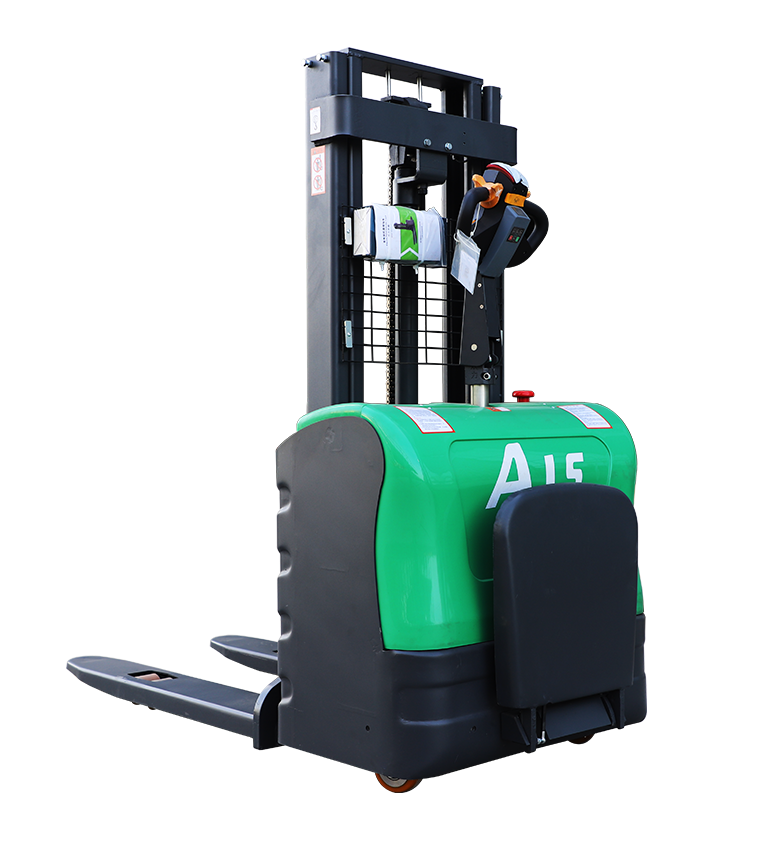
Electric forklift stackers are specialized material handling equipment designed to lift and transport goods within a warehouse or distribution center. Unlike traditional forklifts that require operators to manually lift and stack pallets, electric stackers utilize electric power for both lifting and movement. This innovation allows for smoother operation, reduced noise, and lower emissions, making them a sustainable choice for modern warehouses.
1.2 Key Features of Electric Forklift Stackers
The design of electric forklift stackers incorporates various features that enhance their usability and efficiency:
- **Compact Design**: Electric stackers are generally more compact than their internal combustion counterparts, allowing for better maneuverability in tight spaces.
- **Advanced Control Systems**: Many electric stackers come equipped with sophisticated control systems that enhance precision in lifting and moving loads.
- **Battery Efficiency**: With advancements in battery technology, electric stackers can operate for extended periods, offering significant reductions in downtime compared to traditional forklifts.
- **Operator Comfort and Safety**: Ergonomic designs ensure operator comfort, while safety features like automatic braking and load sensors prevent accidents.
2. The Role of Electric Forklift Stackers in Enhancing Workforce Productivity
2.1 Streamlined Operations
Electric forklift stackers significantly streamline warehouse operations. They enable rapid movement of goods, reducing the time spent on loading and unloading. This efficiency allows employees to focus on more critical tasks, enhancing overall productivity.
2.2 Reduced Physical Strain on Workers
One of the most significant benefits of using electric stackers is the reduction in physical strain on workers. Traditional material handling often involves heavy lifting, leading to fatigue and potential injuries. Electric stackers lessen this burden, allowing employees to handle loads with minimal physical effort.
2.3 Improved Inventory Management
Electric stackers facilitate better inventory management by enabling precise stacking and retrieval of goods. This accuracy helps minimize errors, lowers the risk of stock damage, and ensures that inventory levels are maintained correctly, ultimately leading to increased productivity.
3. Cost-Effectiveness of Electric Forklift Stackers
3.1 Lower Operating Costs
Investing in electric forklift stackers can lead to lower operating costs. These machines are typically more energy-efficient than traditional forklifts, resulting in reduced electricity bills and maintenance costs over time. Furthermore, their reliability means fewer breakdowns and lower repair expenses.
3.2 Increased Return on Investment (ROI)
The initial investment in electric forklift stackers can yield significant returns. By enhancing operational efficiency and reducing labor costs associated with material handling, businesses can achieve a faster ROI. Moreover, the longevity of electric stackers ensures that companies benefit from their usage for many years.
4. Environmental Benefits of Electric Forklift Stackers
4.1 Sustainability and Reduced Emissions
The adoption of electric forklift stackers contributes to a company's sustainability goals. As they operate without fossil fuels, they significantly reduce greenhouse gas emissions and help improve indoor air quality. This aligns with the increasing corporate responsibility towards environmental stewardship.
4.2 Noise Pollution Reduction
Electric stackers operate more quietly compared to gas-powered forklifts, contributing to a more pleasant working environment. This reduction in noise pollution can improve employee morale and productivity, making it easier for workers to communicate and concentrate on their tasks.
5. The Future of Electric Forklift Stackers in the Workforce
5.1 Technological Advancements
As technology continues to evolve, electric forklift stackers are likely to see further enhancements. Innovations such as improved battery technology, automation, and integration with warehouse management systems will enhance their efficiency and productivity.
5.2 Training and Upskilling the Workforce
With the introduction of electric stackers, businesses must also consider employee training. Providing adequate training ensures that workers can fully utilize the capabilities of these machines, further boosting productivity and safety.
6. Case Studies: Real-World Examples of Increased Productivity
6.1 Company A: Enhancing Efficiency Through Electric Stackers
Company A, a mid-sized logistics firm, adopted electric forklift stackers to improve their material handling processes. Within six months, they reported a 30% increase in productivity due to faster loading and unloading times. Additionally, employee satisfaction improved, as workers experienced less physical strain.
6.2 Company B: Driving Sustainability and Productivity
Company B, a prominent retail distributor, integrated electric stackers into their warehouse operations to align with their sustainability goals. They observed a remarkable decrease in energy costs and an impressive boost in worker morale, leading to a more engaged workforce.
7. Frequently Asked Questions (FAQs)
7.1 Are electric forklift stackers suitable for all warehouse environments?
Electric forklift stackers are versatile and can adapt to various warehouse settings, including indoor and some outdoor environments. However, it is essential to consider the specific requirements of your operations.
7.2 How long do electric forklift stackers typically last?
With proper maintenance, electric forklift stackers can last 10 years or more, depending on usage and operating conditions.
7.3 What are the maintenance requirements for electric stackers?
Regular maintenance includes battery checks, inspections of moving parts, and ensuring that safety features are operational. Routine maintenance is crucial for extending the lifespan of the equipment.
7.4 Can electric forklift stackers handle heavy loads?
Yes, electric forklift stackers come in various capacities, enabling them to handle a wide range of load sizes. It's essential to select a stacker that meets your operational needs.
7.5 How does the cost of electric stackers compare to traditional forklifts?
While the upfront cost of electric stackers may be higher, their lower operating costs, reduced maintenance, and longer lifespan often make them a more cost-effective option in the long run.
Conclusion: Revolutionizing Workforce Productivity with Electric Forklift Stackers
The integration of electric forklift stackers into warehouse operations has proven to be a game-changer in enhancing workforce productivity. By streamlining processes, reducing physical strain, and lessening environmental impact, these machines not only contribute to improved operational efficiency but also foster a healthier and more engaged workforce. As industries continue to evolve, the importance of embracing innovative material handling solutions like electric forklift stackers cannot be overstated. Investing in this technology is not merely a step towards modernization; it is a commitment to sustainability, safety, and productivity in the transportation and warehousing sector.
Contact Us

Professional forklift manufacturer
Products Hotline:+86-19203299111
WhatsApp:+8613582499666
Email:sales@good-forklift.com
Wechat:+86-19203299111
Mobile website