

Electric Portable Forklifts: Essential Battery Maintenance Guide for Longevity and Performance
Feb 07,2026
Electric Portable Forklifts: Essential Battery Maintenance Guide for Longevity and Performance
Table of Contents
- 1. Introduction to Electric Portable Forklifts
- 2. Importance of Battery Maintenance for Electric Forklifts
- 3. Understanding Different Battery Types
- 4. Best Practices for Battery Maintenance
- 4.1 Regular Inspections
- 4.2 Proper Charging Techniques
- 4.3 Cleaning the Battery
- 4.4 Monitoring Water and Electrolyte Levels
- 5. Troubleshooting Common Battery Issues
- 6. Tips for Extending Battery Life
- 7. Safety Precautions for Battery Handling
- 8. Conclusion
- 9. Frequently Asked Questions (FAQs)
1. Introduction to Electric Portable Forklifts
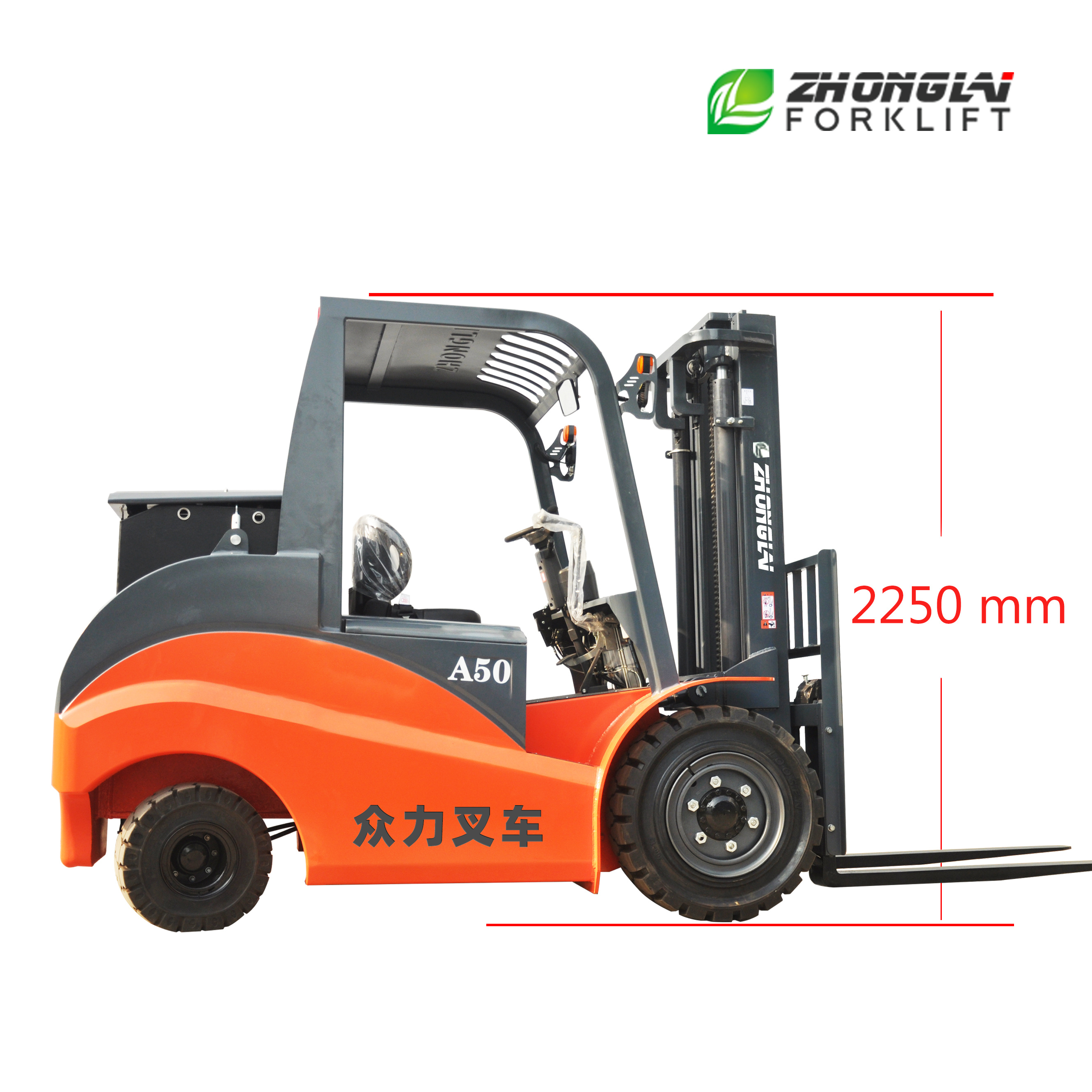
In today's fast-paced industrial environment, **electric portable forklifts** have become essential tools for businesses. Known for their efficiency and eco-friendliness, these forklifts rely heavily on their **battery systems**. Proper management and maintenance of these batteries not only ensure optimal performance but also significantly extend their lifespan. This article provides a detailed guide on battery maintenance for electric portable forklifts, equipping operators with the knowledge needed to enhance productivity and reduce operational costs.
2. Importance of Battery Maintenance for Electric Forklifts
Maintaining the battery of an electric portable forklift is crucial for several reasons:
- **Cost Efficiency**: A well-maintained battery can prevent premature replacements, saving significant costs.
- **Operational Efficiency**: Regular battery maintenance ensures that the forklift operates at peak performance, minimizing downtime.
- **Safety**: Proper maintenance reduces the risk of battery-related accidents, ensuring a safer working environment.
- **Environmental Impact**: Maintaining battery health contributes to reduced waste, aligning with sustainable business practices.
3. Understanding Different Battery Types
Electric portable forklifts typically utilize two main types of batteries:
3.1 Lead-Acid Batteries
Lead-acid batteries are the most common type used in electric forklifts. They are cost-effective and reliable, but they require regular maintenance, including water levels and equalization charging.
3.2 Lithium-Ion Batteries
Lithium-ion batteries are gaining popularity due to their longer lifespan, faster charging capabilities, and reduced maintenance requirements. However, they tend to be more expensive upfront.
4. Best Practices for Battery Maintenance
Implementing best practices in battery maintenance can significantly enhance the longevity and performance of electric portable forklifts.
4.1 Regular Inspections
Conducting routine inspections is vital. Check for signs of wear and damage, ensuring that connections are tight and corrosion-free. Regular visual checks can help identify potential issues before they escalate.
4.2 Proper Charging Techniques
Effective charging practices extend battery life:
- **Avoid Overcharging**: Overcharging can lead to battery overheating and damage.
- **Charge After Use**: Always charge batteries after use to maintain optimal charge levels.
- **Use Compatible Chargers**: Ensure that the charger is compatible with the specific battery type to prevent malfunctions.
4.3 Cleaning the Battery
Keeping the battery clean is essential for optimal performance. Dust and grime can hinder the battery’s efficiency:
- Use a damp cloth to wipe the battery casing regularly.
- Mix a solution of baking soda and water to clean corrosion from terminals.
- Ensure that the battery is disconnected before cleaning to avoid electrical hazards.
4.4 Monitoring Water and Electrolyte Levels
For lead-acid batteries, maintaining the correct water and electrolyte levels is critical:
- Check water levels monthly to ensure they are above the battery plates.
- Use distilled water to top off batteries, as tap water can introduce impurities.
5. Troubleshooting Common Battery Issues
Even with proper maintenance, battery issues can arise. Here are common problems and their solutions:
5.1 Diminished Performance
If the forklift is not lifting loads efficiently, battery performance may be compromised. Check for:
- Low charge levels
- Internal damage to the battery
- Issues with the connections
5.2 Overheating
Overheating can indicate a problem with the battery:
- Ensure proper ventilation during charging.
- Inspect the charger for malfunctions.
- Avoid prolonged heavy usage without breaks.
5.3 Battery Swelling
Swelling in batteries can be a sign of serious issues:
- Disconnect the battery immediately and stop usage.
- Inspect for leaks or damage.
- Consult with a professional for replacement options.
6. Tips for Extending Battery Life
To maximize the lifespan of your electric forklift batteries, consider these strategies:
- **Regular Maintenance**: Stick to a consistent maintenance schedule.
- **Train Operators**: Ensure that all operators are trained in battery care and usage.
- **Temperature Control**: Store batteries in a climate-controlled environment to avoid extreme temperatures.
- **Use Automation**: Implement automated systems for charging and maintenance reminders.
7. Safety Precautions for Battery Handling
Safety is paramount when dealing with batteries. Follow these precautions:
- Always wear appropriate personal protective equipment (PPE).
- Ensure proper ventilation in battery charging areas.
- Never attempt to repair batteries without the appropriate training.
- Store batteries upright and in a designated area away from flammable materials.
8. Conclusion
In conclusion, maintaining the batteries of electric portable forklifts is vital for ensuring efficiency, safety, and cost-effectiveness in operations. By understanding battery types, implementing best practices, troubleshooting issues promptly, and prioritizing safety, businesses can enhance their productivity and minimize downtime. Regular attention to battery maintenance will not only extend the life of the batteries but also contribute to the overall success of your operation.
9. Frequently Asked Questions (FAQs)
What is the average lifespan of an electric forklift battery?
The average lifespan of a lead-acid battery is around 5-7 years, while lithium-ion batteries can last up to 10 years or more with proper maintenance.
How often should I charge my forklift battery?
It’s recommended to charge the battery after each use to maintain optimal performance.
Can I use tap water to refill my battery?
No, it’s best to use distilled water to prevent impurities from affecting the battery’s performance.
What are the signs that my forklift battery needs to be replaced?
Signs include diminished performance, swelling, overheating, and visible signs of corrosion or damage.
Is it safe to clean the battery myself?
Yes, as long as you follow safety precautions, such as wearing PPE and ensuring the battery is disconnected.
What should I do if my battery overheats?
Disconnect the battery, allow it to cool, and inspect for issues. Consult a professional if problems persist.
Contact Us

Professional forklift manufacturer
Products Hotline:+86-19203299111
WhatsApp:+8613582499666
Email:sales@good-forklift.com
Wechat:+86-19203299111
Mobile website