

How to Safely Operate a Small Electric Pallet Truck: Best Practices for Efficient Warehouse Operations
Feb 01,2026
How to Safely Operate a Small Electric Pallet Truck: Best Practices
Table of Contents
- Introduction to Small Electric Pallet Trucks
- The Importance of Safety in Warehouse Operations
- Understanding the Small Electric Pallet Truck
- Pre-Operational Checks: Ensuring Safety First
- Proper Operating Techniques for Small Electric Pallet Trucks
- Navigating the Warehouse Safely
- Maintenance and Care for Longevity
- Frequently Asked Questions
- Conclusion
Introduction to Small Electric Pallet Trucks
Operating a small electric pallet truck is common in warehouses, distribution centers, and retail environments. These machines offer an efficient solution for transporting goods over short distances. However, like any industrial equipment, they require proper handling and awareness of safety protocols. In this guide, we will explore best practices to ensure safe and effective operation of small electric pallet trucks.
The Importance of Safety in Warehouse Operations
Safety is paramount in any warehouse setting. With heavy loads and tight spaces, the risk of accidents can increase significantly without proper safety measures. By adhering to safety protocols, we not only protect ourselves but also our colleagues and the valuable equipment we handle. Accidents not only cause harm but can also lead to costly downtime and damage to goods.
Understanding the Small Electric Pallet Truck
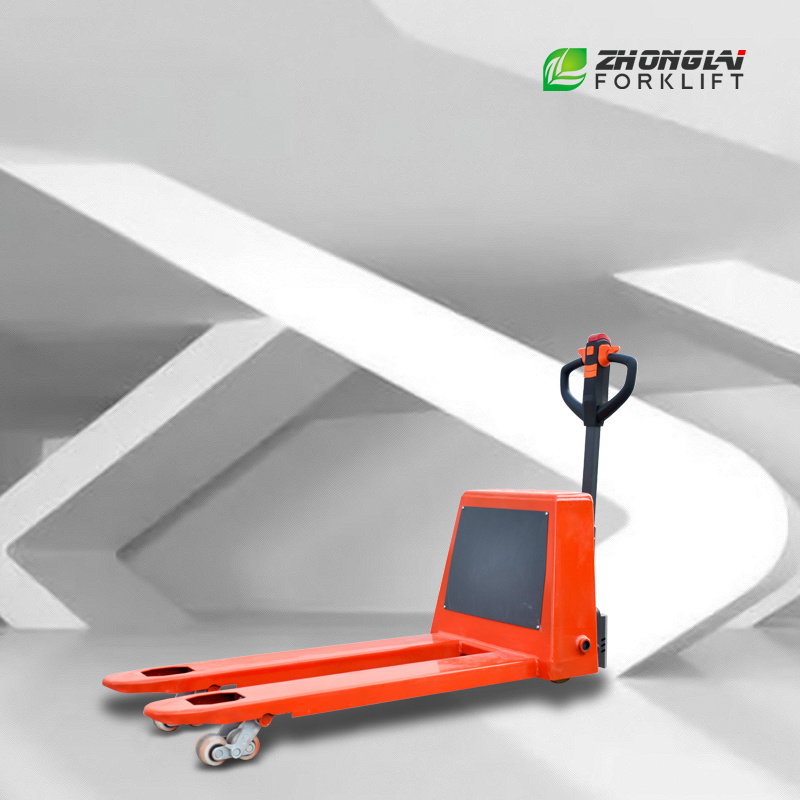
Small electric pallet trucks are designed for ease of use and efficiency. They typically consist of a platform for carrying pallets and a set of forks that lift the pallets off the ground. **Features such as adjustable speed settings, ergonomic controls, and electric power make them ideal for quick maneuvers in busy environments**. It’s crucial to familiarize ourselves with the specific features of the model we are operating, as different models may have unique controls and functionalities.
Key Components of a Small Electric Pallet Truck
Understanding the main components of a small electric pallet truck will enhance our operational efficiency and safety:
- Forks: The metal arms that slide under the pallet to lift it.
- Control Handle: Used to maneuver the truck; typically includes buttons for lifting and lowering forks.
- Battery: Powers the electric motor; regular maintenance is essential for longevity.
- Wheels: Important for maneuverability; different types are suited for various surfaces.
Pre-Operational Checks: Ensuring Safety First
Before operating a small electric pallet truck, conducting thorough pre-operational checks is vital. This practice helps identify any potential issues that could lead to accidents or equipment failure.
Essential Pre-Operational Checks
1. **Visual Inspection**: Check for any visible damage to the truck, including the forks, wheels, and control handle.
2. **Battery Level**: Ensure the battery is adequately charged to prevent unexpected shutdowns during operation.
3. **Fluid Levels**: For models that require hydraulic fluid, check levels to ensure proper function.
4. **Operational Controls**: Test the controls to ensure they respond correctly and smoothly.
5. **Safety Features**: Confirm that all safety features, such as emergency brakes and alarms, are functioning properly.
Proper Operating Techniques for Small Electric Pallet Trucks
Utilizing proper operating techniques is crucial for safety and efficiency. Here are some essential tips:
Body Positioning
Maintain a stable stance with feet shoulder-width apart. This position allows for better balance and control while operating the truck.
Handling Loads
- **Know Your Load Limit**: Every electric pallet truck has a specified weight limit. Exceeding this limit can lead to tipping and loss of control.
- **Center the Load**: Ensure the load is evenly distributed on the forks to maintain stability.
- **Keep the Load Low**: When moving, keep the load as low to the ground as possible to increase stability.
Speed Control
Adjust the speed settings based on the load and environment. Operating at a slower speed in congested areas reduces the risk of accidents.
Turning and Maneuvering
When turning, slow down and signal your intentions. This practice gives other workers a chance to react and avoids collisions.
Navigating the Warehouse Safely
Navigating a warehouse requires awareness of the surroundings and an understanding of traffic flow.
Awareness of Surroundings
Stay alert to pedestrians and other vehicles. Use mirrors or cameras if available to enhance visibility.
Designated Pathways
Utilize marked pathways for pedestrian and vehicle traffic. This organization reduces confusion and enhances safety.
Communication
Use hand signals or radios to communicate with team members when maneuvering in tight spaces.
Maintenance and Care for Longevity
Regular maintenance is essential for the safe operation of electric pallet trucks. Here are key maintenance practices:
Daily Maintenance Checks
- **Battery Inspection**: Check for any signs of corrosion or damage.
- **Tire Condition**: Inspect tires for wear and proper inflation.
- **Cleaning**: Keep the truck clean, removing any debris that could affect its operation.
Scheduled Maintenance
Follow the manufacturer’s maintenance schedule for more in-depth inspections and servicing. This practice ensures the truck operates smoothly and efficiently.
Frequently Asked Questions
1. What is the maximum weight a small electric pallet truck can carry?
The maximum weight varies by model but generally ranges from 2,500 to 5,000 pounds. Always refer to the manufacturer's specifications.
2. How often should I charge the battery of my electric pallet truck?
Charge the battery after every use, or when the battery level indicates it is low. It’s essential to avoid deep discharges.
3. Can I operate an electric pallet truck on uneven surfaces?
While electric pallet trucks are designed for smooth surfaces, some models can handle slight inclines. Always check the manufacturer's recommendations.
4. What should I do if the electric pallet truck stops working during use?
Stay calm and gradually bring the truck to a stop. Inspect for obvious issues, and if you cannot resolve the problem, report it to a supervisor.
5. Are there specific training requirements for operating an electric pallet truck?
Yes, operators should undergo training to understand the operational features, safety protocols, and maintenance requirements.
Conclusion
Operating a small electric pallet truck safely requires a combination of knowledge, skill, and adherence to best practices. By understanding the equipment, conducting pre-operational checks, and following proper operating techniques, we can ensure a safe working environment. Additionally, regular maintenance is key to keeping the trucks in optimal condition. By prioritizing safety and efficiency, we contribute to a more productive warehouse that benefits both employees and the organization as a whole.
Contact Us

Professional forklift manufacturer
Products Hotline:+86-19203299111
WhatsApp:+8613582499666
Email:sales@good-forklift.com
Wechat:+86-19203299111
Mobile website