

Future Trends in Electric Forklift Stackers You Should Watch
Jan 26,2026
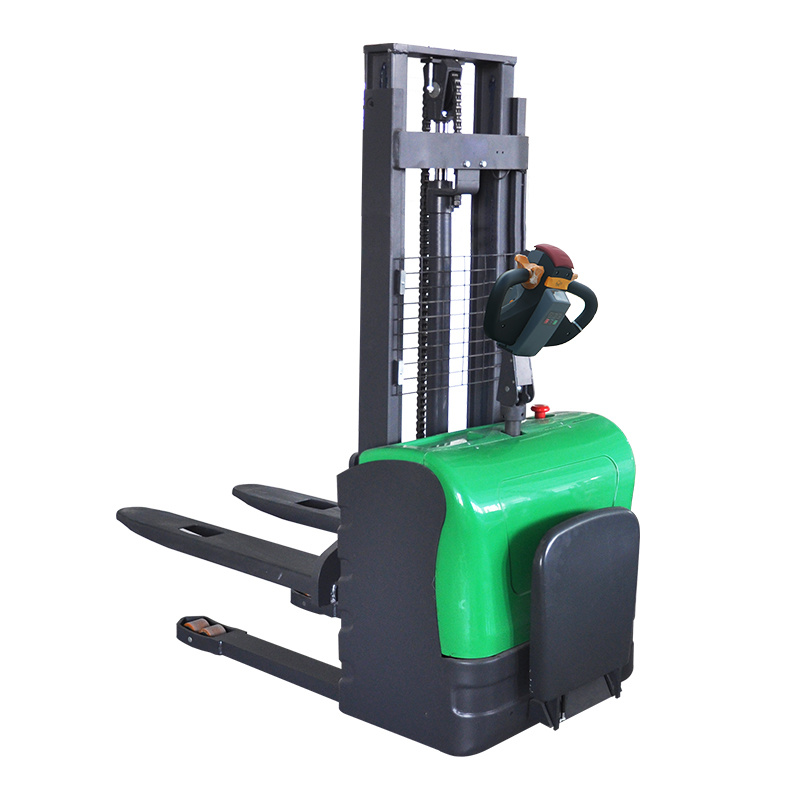
Future Trends in Electric Forklift Stackers You Should Watch
As industries strive for greater efficiency and sustainability, electric forklift stackers are emerging as vital tools within logistics and warehousing operations. This article will explore **future trends** in electric forklift stackers that are significantly impacting the transportation sector, particularly in cargo handling and storage.
Table of Contents
- 1. Introduction to Electric Forklift Stackers
- 2. Current Trends in Electric Forklift Stackers
- 3. Technological Advancements Driving Change
- 4. Sustainability Initiatives in the Industry
- 5. The Role of Automation and AI
- 6. Safety Enhancements for Electric Forklift Stackers
- 7. Market Analysis and Growth Potential
- 8. Future Outlook for Electric Forklift Stackers
- 9. FAQs about Electric Forklift Stackers
- 10. Conclusion
1. Introduction to Electric Forklift Stackers
Electric forklift stackers represent a significant evolution in material handling equipment. Unlike traditional forklifts powered by internal combustion engines, electric stackers utilize **battery-powered** systems, making them cleaner and quieter options for warehouses and distribution centers. With growing demand for efficient and sustainable solutions in the logistics sector, electric forklift stackers are becoming indispensable.
2. Current Trends in Electric Forklift Stackers
Several trends are currently shaping the market for electric forklift stackers. These include:
2.1 Shift Towards Battery Technology
**Lithium-ion batteries** are becoming the preferred choice for electric forklift stackers. They offer longer run times, shorter charging periods, and enhanced energy efficiency compared to traditional lead-acid batteries. This trend is paving the way for more productive operations, allowing businesses to maximize uptime.
2.2 Increased Demand for Compact Designs
As urban logistics and **space optimization** become crucial, manufacturers are focusing on creating compact electric forklift stackers. These designs allow for better maneuverability in tight spaces, making them ideal for urban warehouses and retail environments.
3. Technological Advancements Driving Change
Innovation is at the forefront of the electric forklift stacker industry. Here are some key technological advancements:
3.1 Integration of IoT in Forklift Operations
The Internet of Things (IoT) is revolutionizing the way electric forklift stackers operate. By utilizing connected sensors and real-time data analytics, businesses can monitor performance, track usage patterns, and perform predictive maintenance, drastically reducing downtime and operational costs.
3.2 Enhanced Navigation Systems
With advancements in **autonomous navigation**, electric forklift stackers are becoming increasingly capable of operating independently. Using technologies such as LiDAR and computer vision, these stackers can navigate complex environments while avoiding obstacles, thus improving safety and efficiency.
4. Sustainability Initiatives in the Industry
Sustainability is a core focus for many businesses today, and electric forklift stackers contribute significantly to this goal.
4.1 Energy-Efficient Operations
Electric forklift stackers are inherently more energy-efficient than their diesel counterparts. They produce zero emissions during operation and can be powered by renewable energy sources, reducing the carbon footprint of logistics operations.
4.2 Recycling and Lifecycle Management
As manufacturers move towards **sustainable practices**, there is a growing emphasis on the recyclability of materials used in electric forklift stackers. Companies are now adopting lifecycle management strategies to ensure that equipment can be reused or recycled at the end of its life, further contributing to environmental sustainability.
5. The Role of Automation and AI
Automation and artificial intelligence (AI) are playing crucial roles in transforming warehouse operations.
5.1 Smart Inventory Management
AI-driven inventory management systems can analyze data from electric forklift stackers to optimize stock levels, predict demand, and streamline order fulfillment processes. This integration reduces waste and enhances overall operational efficiency.
5.2 Enhanced Operator Training
With the incorporation of virtual reality (VR) and augmented reality (AR) technologies, training for operators of electric forklift stackers is becoming more effective. These immersive training programs allow operators to experience real-world scenarios without the risks associated with physical training.
6. Safety Enhancements for Electric Forklift Stackers
Safety remains a paramount concern in warehouse settings, and electric forklift stackers are evolving to meet these needs.
6.1 Advanced Safety Features
Modern electric forklift stackers are equipped with advanced safety features such as **collision detection systems**, automatic braking, and pedestrian alert systems. These features significantly reduce the risk of accidents and enhance the overall safety of the work environment.
6.2 Ergonomic Designs for Operator Safety
Manufacturers are focusing on ergonomic designs that prioritize operator safety and comfort. Adjustable seating, intuitive controls, and noise reduction technologies are just a few examples of how electric forklift stackers are evolving to ensure a safer workplace.
7. Market Analysis and Growth Potential
The electric forklift stacker market is poised for significant growth in the coming years.
7.1 Expanding Applications Across Industries
Electric forklift stackers are increasingly being adopted across various industries, including retail, manufacturing, and logistics. Their versatility and efficiency are driving demand, and companies are recognizing the long-term cost savings associated with their use.
7.2 Investment in Research and Development
With technological advancements driving change, there is a surge in investments in research and development (R&D) within the electric forklift stacker industry. This trend is likely to lead to even more innovative solutions and enhanced capabilities for these machines.
8. Future Outlook for Electric Forklift Stackers
As we look to the future, electric forklift stackers will play an increasingly vital role in logistics and warehousing.
8.1 Integration of AI and Robotics
The future will see greater integration of **AI and robotics** in electric forklift stackers, enabling fully automated warehouses that can operate with minimal human intervention. This shift will not only enhance efficiency but also enable a more agile response to changing market demands.
8.2 Continuous Evolution of Battery Technology
As battery technology continues to evolve, we can expect electric forklift stackers to become even more energy-efficient, with longer run times and faster charging capabilities. This will further solidify their position as a preferred choice for material handling.
9. FAQs about Electric Forklift Stackers
9.1 What are the main advantages of electric forklift stackers?
Electric forklift stackers offer numerous advantages, including lower operating costs, reduced emissions, and quieter operation. They are also more efficient for indoor use.
9.2 How long do the batteries in electric forklift stackers last?
The lifespan of batteries in electric forklift stackers varies depending on usage and maintenance but typically ranges from 3 to 5 years for lithium-ion batteries.
9.3 Are electric forklift stackers suitable for outdoor use?
Electric forklift stackers are primarily designed for indoor operations. However, some models can operate in outdoor environments under specific conditions.
9.4 How can companies ensure the safety of electric forklift stackers?
Companies can enhance safety by implementing regular maintenance schedules, providing operator training, and utilizing advanced safety features and technologies.
9.5 What is the future of electric forklift stackers?
The future of electric forklift stackers looks promising, with advancements in automation, AI integration, and battery technology poised to drive innovation and efficiency in the industry.
10. Conclusion
Electric forklift stackers are at the forefront of transforming the logistics and warehousing landscape. Their evolution is driven by technological advancements, sustainability initiatives, and a growing emphasis on safety. As we look to the future, these machines will continue to provide invaluable support to businesses, enhancing efficiency, reducing environmental impact, and improving overall operational effectiveness. By staying informed about these trends, companies can position themselves for success in an increasingly competitive marketplace.
Contact Us

Professional forklift manufacturer
Products Hotline:+86-19203299111
WhatsApp:+8613582499666
Email:sales@good-forklift.com
Wechat:+86-19203299111
Mobile website