

Understanding the Environmental Impact of Electric Portable Forklifts: A Comprehensive Analysis
Jan 20,2026
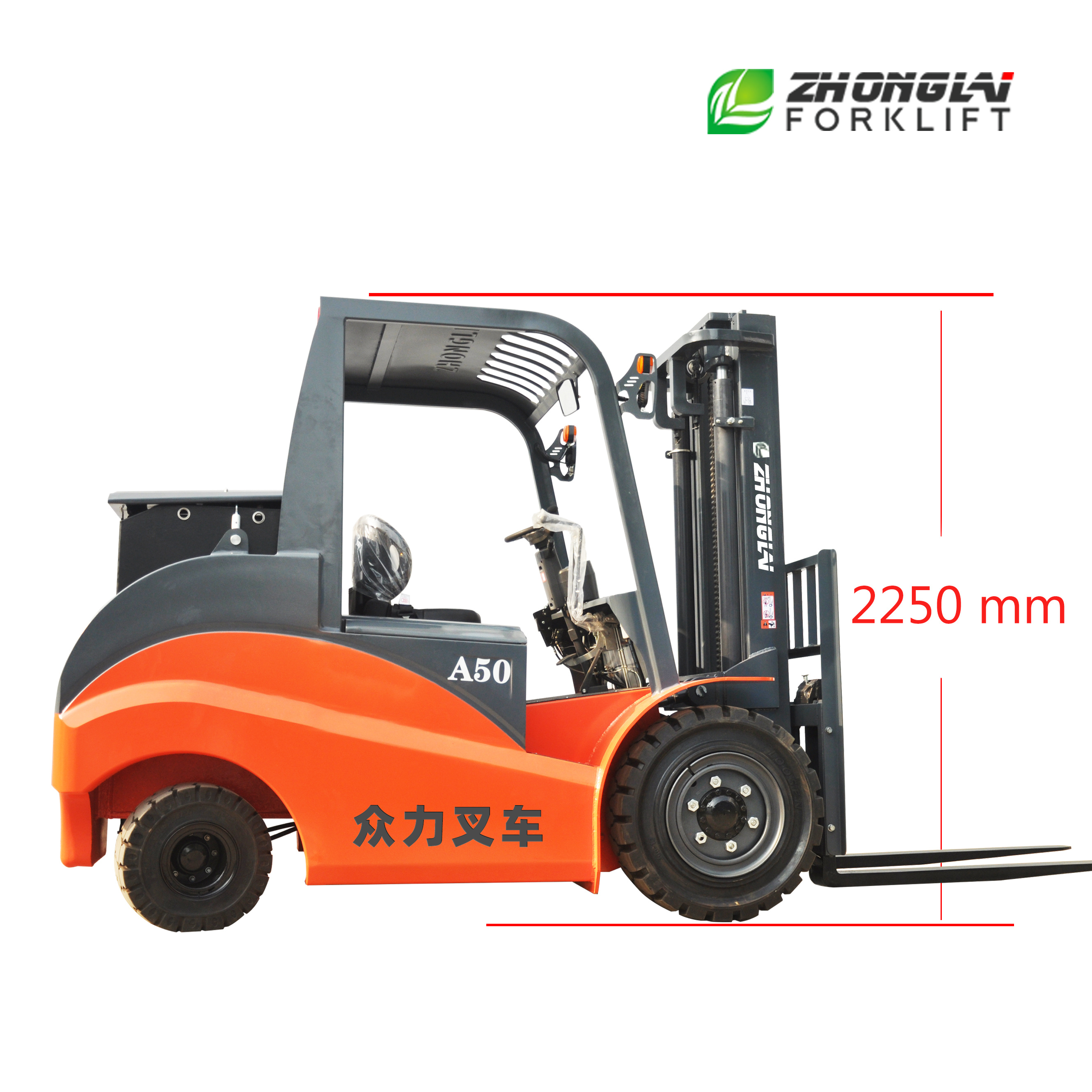
Understanding the Environmental Impact of Electric Portable Forklifts
Table of Contents
- 1. Introduction to Electric Portable Forklifts
- 2. Energy Efficiency of Electric Forklifts
- 3. Reduced Emissions: A Key Benefit
- 4. Sustainable Practices in Material Handling
- 5. Economic Advantages of Electric Forklifts
- 6. Advances in Battery Technology
- 7. Case Studies: Success Stories of Electric Forklifts
- 8. Future Outlook: The Evolution of Electric Forklifts
- 9. Frequently Asked Questions
- 10. Conclusion
1. Introduction to Electric Portable Forklifts
Electric portable forklifts have revolutionized the material handling industry. Unlike their internal combustion counterparts, electric forklifts operate on electric power, significantly reducing harmful emissions. Their compact design makes them perfect for both indoor and outdoor use, facilitating efficient movement of goods in warehouses, factories, and retail environments. As businesses strive to adopt more sustainable practices, understanding the environmental impact of these machines becomes imperative.
2. Energy Efficiency of Electric Forklifts
One of the major advantages of electric portable forklifts is their outstanding energy efficiency. They consume less energy than traditional gas or diesel forklifts, making them an eco-friendly choice. This efficiency translates to lowered operational costs for businesses, as electric forklifts can typically operate longer on a single charge compared to the hours gas-powered forklifts can run on a full tank.
Additionally, many electric models utilize regenerative braking, which recaptures energy during operation. This innovative technology enhances their energy efficiency and extends battery life, allowing businesses to maximize productivity while minimizing their carbon footprint.
3. Reduced Emissions: A Key Benefit
The transition to electric forklifts contributes significantly to reduced emissions in the transportation and warehousing sectors. Traditional forklifts emit harmful pollutants, such as carbon monoxide and nitrogen oxides, which contribute to air quality degradation and climate change. By contrast, electric forklifts produce zero tailpipe emissions.
Furthermore, when charged using renewable energy sources, the overall carbon footprint of electric forklifts can be reduced even further. This shift not only aligns with corporate sustainability goals but also supports local and global efforts to mitigate climate change, making electric forklifts a vital component of greener supply chains.
4. Sustainable Practices in Material Handling
Implementing electric portable forklifts supports a broad spectrum of sustainable practices in material handling. These forklifts facilitate efficient logistics and inventory management, reducing waste and improving overall operational efficiency. Their quiet operation also minimizes noise pollution, creating a more comfortable working environment for employees.
Moreover, electric forklifts often require less maintenance than their gas-powered counterparts. With fewer moving parts and no need for oil changes, they not only reduce the environmental impact associated with maintenance activities but also lower the potential for workplace hazards related to spills or leaks.
5. Economic Advantages of Electric Forklifts
The economic benefits of adopting electric portable forklifts are substantial. While the initial investment may be higher than that of traditional forklifts, the total cost of ownership over the lifespan of the equipment often reveals significant savings. Lower energy costs, reduced maintenance expenses, and increased productivity contribute to a favorable return on investment.
Additionally, many governments offer incentives for businesses transitioning to electric machinery, further enhancing the economic viability of these forklifts. The long-term savings on energy bills and maintenance can outweigh the initial purchase price, making electric forklifts a financially sound decision for many companies.
6. Advances in Battery Technology
The evolution of battery technology has played a crucial role in the popularity and effectiveness of electric portable forklifts. Modern electric forklifts are equipped with advanced lithium-ion batteries, which offer longer lifespan, faster charging times, and higher energy density compared to traditional lead-acid batteries.
These innovations allow for more flexible operational schedules, reducing downtime associated with charging and maintenance. Furthermore, battery recycling programs have emerged, ensuring that the environmental impact of battery disposal is minimized. As technology continues to advance, we can expect even more improvements in battery efficiency and sustainability, enhancing the appeal of electric forklifts.
7. Case Studies: Success Stories of Electric Forklifts
Several companies have successfully integrated electric portable forklifts into their operations, showcasing the environmental and economic benefits of this transition. For instance, a large warehouse retailer adopted electric forklifts in their distribution centers, resulting in a 30% reduction in energy costs and a substantial decrease in greenhouse gas emissions.
Another case involves a manufacturing facility that replaced its gas-powered fleet with electric models. The move not only improved air quality within the plant but also increased worker productivity due to the quieter and more comfortable operating environment. These case studies illustrate the tangible benefits that electric forklifts can offer across various industries.
8. Future Outlook: The Evolution of Electric Forklifts
The future of electric portable forklifts looks promising as technology continues to evolve. Innovations in automation, such as autonomous forklifts, are set to enhance efficiency and safety in material handling. Additionally, the increasing availability of clean energy sources will further reduce the environmental impact of charging these machines.
As companies increasingly prioritize sustainability, the demand for electric forklifts is expected to grow. The ongoing development of smarter, more efficient machinery will likely position electric forklifts as the cornerstone of modern material handling solutions.
9. Frequently Asked Questions
What are the main environmental benefits of electric forklifts?
Electric forklifts produce zero tailpipe emissions, reduce energy consumption, and promote sustainability in material handling. Using renewable energy sources can further decrease their carbon footprint.
How do electric forklifts compare in efficiency to gas-powered options?
Electric forklifts are generally more energy-efficient, often operating longer on a single charge than gas-powered models do on a full tank, leading to lower operational costs.
What types of batteries are used in electric forklifts?
Many modern electric forklifts utilize lithium-ion batteries, which offer improved lifespan, charging speed, and energy density compared to traditional lead-acid batteries.
Are there any government incentives for switching to electric forklifts?
Yes, many governments provide financial incentives, such as tax credits and grants, for companies that invest in electric machinery, making the transition more economically viable.
How does the use of electric forklifts impact workplace safety?
Electric forklifts produce less noise and fewer harmful emissions, creating a safer and more comfortable working environment for employees, which can lead to increased productivity and morale.
10. Conclusion
Electric portable forklifts represent a significant advance in the material handling industry, offering numerous environmental benefits, economic advantages, and innovations in battery technology. As businesses strive to adopt sustainable practices and reduce their carbon footprints, electric forklifts stand out as a viable solution. The positive impacts on operational efficiency, employee safety, and environmental health underscore the importance of transitioning to electric machinery. Embracing this technology not only supports individual corporate goals but also contributes to a healthier planet for future generations.
Contact Us

Professional forklift manufacturer
Products Hotline:+86-19203299111
WhatsApp:+8613582499666
Email:sales@good-forklift.com
Wechat:+86-19203299111
Mobile website