

Electric Forklift Stackers: Overcoming Common Warehouse Challenges for Optimal Efficiency
Jan 14,2026
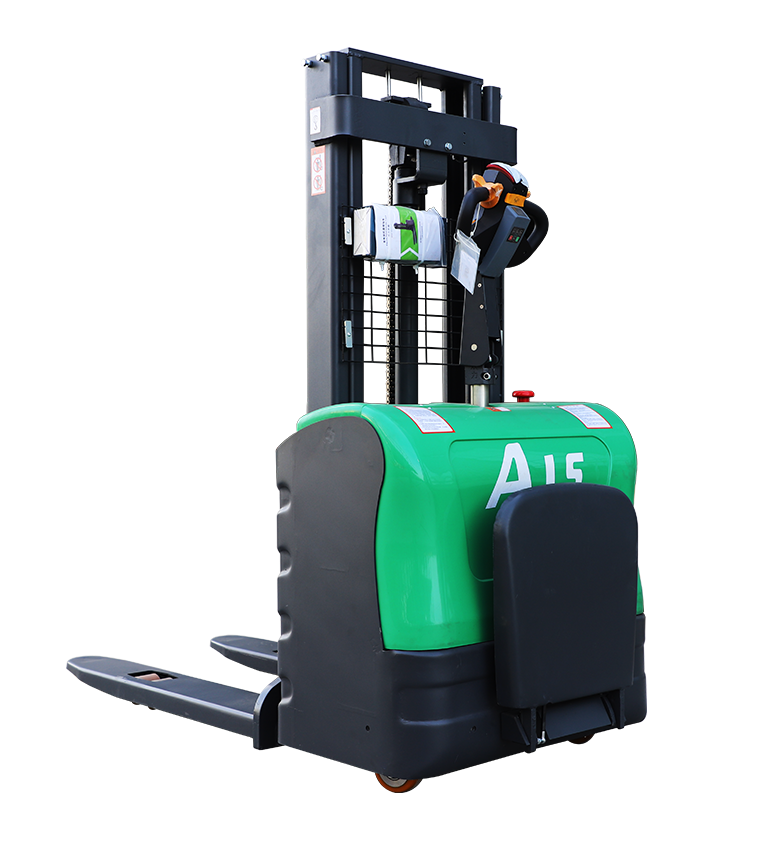
Electric Forklift Stackers: Overcoming Common Warehouse Challenges for Optimal Efficiency
Table of Contents
1. Introduction to Electric Forklift Stackers
2. Common Warehouse Challenges
2.1 Limited Space in Warehouses
2.2 High Operational Costs
2.3 Safety Concerns in Logistics
3. How Electric Forklift Stackers Address These Challenges
3.1 Space Optimization with Electric Forklift Stackers
3.2 Cost Efficiency through Electric Operation
3.3 Enhancing Safety Standards in Warehousing
4. Key Features of Electric Forklift Stackers
4.1 Advanced Battery Technology
4.2 Ergonomic Design for Operator Comfort
4.3 Intelligent Control Systems
5. Best Practices for Implementing Electric Forklift Stackers
5.1 Training Your Workforce
5.2 Regular Maintenance and Upkeep
5.3 Integrating with Warehouse Management Systems
6. Future Trends in Electric Forklift Technology
7. Frequently Asked Questions (FAQs)
8. Conclusion
1. Introduction to Electric Forklift Stackers
In the rapidly evolving world of logistics and warehouse management, businesses face numerous challenges. One of the most effective solutions to these issues is the implementation of **electric forklift stackers**. These versatile machines not only enhance operational efficiency but also contribute significantly to reducing costs and improving workplace safety. This article will delve into the common challenges faced in warehouses and how electric forklift stackers provide innovative solutions.
2. Common Warehouse Challenges
Warehouses are bustling environments where efficiency is paramount. However, several challenges can hinder operations. Understanding these challenges is the first step towards finding effective solutions.
2.1 Limited Space in Warehouses
As e-commerce continues to grow, many warehouses are struggling with space constraints. The demand for increased storage capacity often leads to overcrowded aisles and inefficient use of vertical space, making it difficult for workers to navigate and retrieve items.
2.2 High Operational Costs
Operating a warehouse can be expensive. From labor costs to equipment maintenance, businesses are constantly looking for ways to cut expenses without sacrificing productivity. Electric forklift stackers often emerge as a cost-effective solution, but understanding how they can reduce operational costs is crucial.
2.3 Safety Concerns in Logistics
Safety in the workplace is of utmost importance, particularly in environments where heavy machinery is in use. Warehouses frequently face hazards such as accidents, injuries, and equipment damage. Addressing these safety concerns is vital for maintaining a productive and healthy work environment.
3. How Electric Forklift Stackers Address These Challenges
Electric forklift stackers are designed to tackle the very challenges that warehouses face daily. By leveraging their unique features and advantages, businesses can optimize their operations significantly.
3.1 Space Optimization with Electric Forklift Stackers
Electric forklift stackers are ideal for maximizing vertical space and navigating tight aisles. With their compact design and ability to lift loads to significant heights, these machines enable warehouses to increase storage density and improve overall organization. By utilizing stackers, warehouses can make full use of vertical racks, freeing up floor space for additional inventory.
3.2 Cost Efficiency through Electric Operation
Investing in electric forklift stackers can lead to long-term savings. Electric models are generally more efficient than their gas-powered counterparts, requiring less energy to operate. Additionally, they have lower maintenance costs, as they have fewer moving parts and do not require oil changes. Over time, the cost savings can be substantial, allowing businesses to allocate resources elsewhere.
3.3 Enhancing Safety Standards in Warehousing
Safety is improved with electric forklift stackers in several key ways. These machines often come equipped with advanced safety features such as automatic braking systems, stability control, and enhanced visibility. Furthermore, the electric operation reduces noise and emissions, creating a healthier work environment. Investing in electric forklift stackers can significantly lower the risk of workplace accidents and injuries.
4. Key Features of Electric Forklift Stackers
To truly understand the value of electric forklift stackers, it’s essential to explore their key features. These elements contribute to the overall effectiveness and efficiency of these machines.
4.1 Advanced Battery Technology
Modern electric forklift stackers come with advanced battery technology that allows for extended operational hours and quicker charging times. Lithium-ion batteries, for example, provide a longer lifespan and can be charged rapidly, reducing downtime and increasing productivity.
4.2 Ergonomic Design for Operator Comfort
The design of electric forklift stackers prioritizes operator comfort and efficiency. Featuring adjustable seats, intuitive controls, and clear visibility, these machines reduce operator fatigue and enhance productivity. A comfortable operator is a more efficient operator, leading to smoother warehouse operations.
4.3 Intelligent Control Systems
Many electric forklift stackers are equipped with intelligent control systems that enhance maneuverability and precision. These systems can include features like automated steering and load sensing, which help operators manage loads more efficiently while maintaining safety.
5. Best Practices for Implementing Electric Forklift Stackers
To maximize the benefits of electric forklift stackers, businesses must adopt best practices during implementation. Here are some strategies to consider.
5.1 Training Your Workforce
Proper training is essential for ensuring that your team operates electric forklift stackers safely and efficiently. Regular training sessions and refresher courses will help employees stay updated on best practices and safety protocols.
5.2 Regular Maintenance and Upkeep
Regular maintenance is crucial to keeping electric forklift stackers in optimal condition. Developing a maintenance schedule that includes checks on battery health, safety features, and mechanical components will help prevent unexpected breakdowns and prolong the lifespan of your equipment.
5.3 Integrating with Warehouse Management Systems
Electric forklift stackers can be integrated with warehouse management systems (WMS) for seamless operations. This integration allows for real-time tracking of inventory, streamlining processes and reducing the risk of errors.
6. Future Trends in Electric Forklift Technology
As technology continues to evolve, the capabilities of electric forklift stackers are expected to grow. Some trends to watch include advancements in automation, the use of artificial intelligence for improved efficiency, and enhanced battery technologies that offer even longer run times and faster charging.
7. Frequently Asked Questions (FAQs)
What are the advantages of electric forklift stackers over traditional forklifts?
Electric forklift stackers offer lower operational costs, reduced noise, and enhanced safety features, making them preferable in many warehouse settings.
How do I choose the right electric forklift stacker for my warehouse?
Consider factors such as load capacity, lift height, battery type, and the specific needs of your operations when selecting an electric forklift stacker.
What maintenance is required for electric forklift stackers?
Regular checks on the battery, brakes, tires, and electrical systems are essential for keeping your stackers in good working order.
How long do electric forklift batteries typically last?
The lifespan of electric forklift batteries can vary, but lithium-ion batteries generally last around 5-7 years with proper maintenance.
Can electric forklift stackers be used outdoors?
While many electric forklift stackers are designed for indoor use, certain models are equipped for outdoor operations. It’s essential to verify the specifications for outdoor capabilities before use.
8. Conclusion
Electric forklift stackers are not just a trend; they represent a significant advancement in warehouse operations. By addressing common challenges such as limited space, high operational costs, and safety concerns, these machines are essential for modern logistics. With the right implementation and ongoing commitment to operator training and maintenance, businesses can harness the full potential of electric forklift stackers, paving the way for improved efficiency and productivity in their warehouses. Investing in this technology is not just about keeping pace with the industry; it's about leading the charge into the future of logistics.
Contact Us

Professional forklift manufacturer
Products Hotline:+86-19203299111
WhatsApp:+8613582499666
Email:sales@good-forklift.com
Wechat:+86-19203299111
Mobile website