

The Best Practices for Electric Portable Forklift Usage and Management
Jan 12,2026
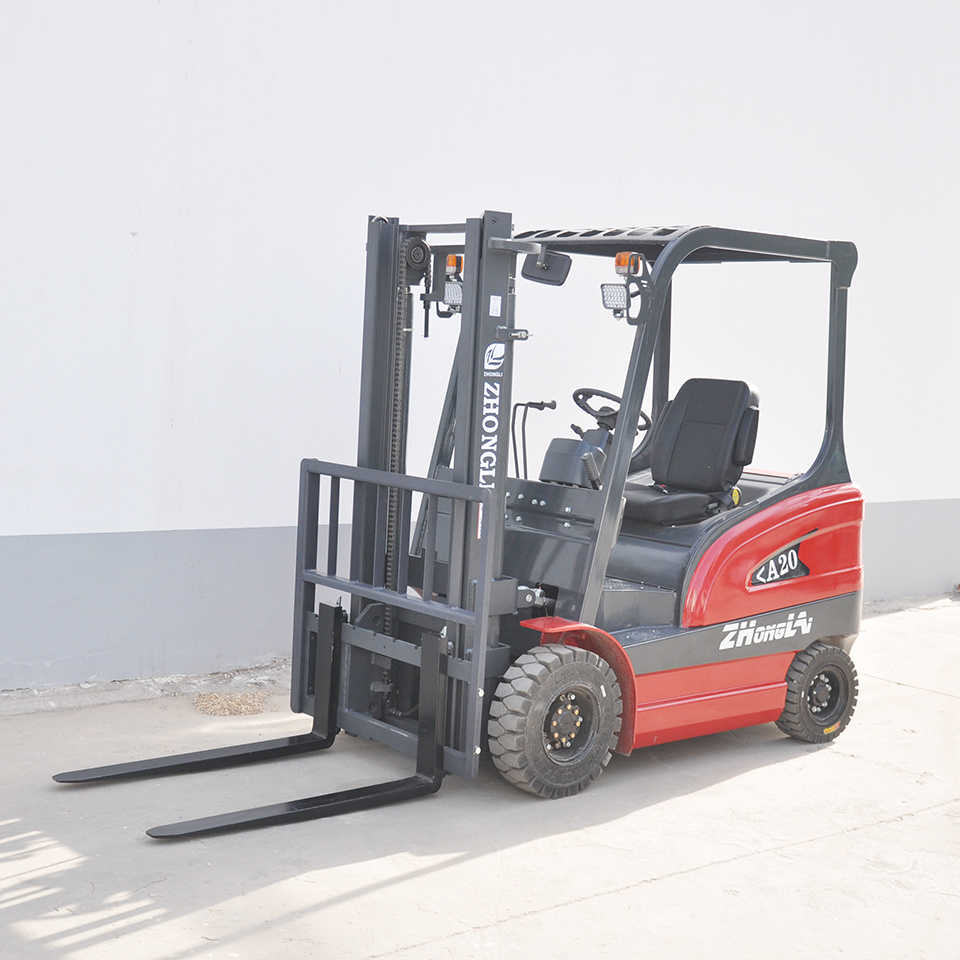
The Best Practices for Electric Portable Forklift Usage and Management
Table of Contents
- 1. Introduction to Electric Portable Forklifts
- 2. Benefits of Using Electric Portable Forklifts
- 3. Operational Safety: Ensuring a Safe Work Environment
- 4. Best Practices for Maintaining Electric Portable Forklifts
- 5. Efficient Management of Forklift Operations
- 6. Importance of Operator Training
- 7. Integrating Technology for Enhanced Management
- 8. Conclusion
- 9. FAQs
1. Introduction to Electric Portable Forklifts
Electric portable forklifts are revolutionizing the way warehouses and distribution centers operate. These versatile machines offer a powerful combination of efficiency and agility, making them ideal for transporting goods in constrained spaces. **Understanding best practices** for their usage and management is crucial to maximizing their benefits while ensuring safety and operational efficiency.
2. Benefits of Using Electric Portable Forklifts
Electric portable forklifts provide numerous advantages over traditional internal combustion models. Here are some key benefits:
2.1. Environmental Impact
Electric forklifts produce zero emissions, making them an eco-friendly choice for businesses concerned with their carbon footprint. This is particularly important in enclosed spaces where air quality can be compromised.
2.2. Reduced Operating Costs
With lower fuel costs and minimal maintenance requirements, electric forklifts can significantly decrease operational expenses. The absence of oil changes and fewer moving parts leads to longer intervals between service.
2.3. Noise Reduction
Electric forklifts operate quietly, creating a more pleasant working environment. This is especially beneficial in noise-sensitive areas, such as retail spaces or residential neighborhoods.
3. Operational Safety: Ensuring a Safe Work Environment
Safety is paramount when operating electric portable forklifts. Implementing robust safety protocols can prevent accidents and injuries.
3.1. Conduct Regular Safety Inspections
Regular inspections should be conducted to identify and address any potential issues. Forklifts should undergo a thorough check before each use to ensure they are in safe working condition.
3.2. Utilize Proper Signage and Barriers
Effective communication and barriers help ensure that pedestrians are aware of forklift operations. Use clear signage to demarcate forklift zones and pedestrian walkways.
3.3. Implement a Safety Culture
Encourage employees to prioritize safety by fostering a culture of accountability. Regular training sessions and safety meetings can reinforce the importance of safe practices.
4. Best Practices for Maintaining Electric Portable Forklifts
Proper maintenance is essential for the longevity and reliability of electric forklifts.
4.1. Routine Maintenance Checks
Establish a scheduled maintenance program that includes checks of the battery, tires, brakes, and hydraulic systems. Regular maintenance helps prevent unexpected breakdowns and prolongs the lifespan of the equipment.
4.2. Battery Care and Management
The battery is the heart of an electric forklift. Implement best practices for battery care, such as regular charging, monitoring fluid levels, and cleaning terminals to ensure optimal performance.
4.3. Keep Forklifts Clean
Dirt and debris can impact the performance of a forklift. Regular cleaning helps prevent damage and maintain efficiency. Ensure that both the exterior and interior components are kept clean.
5. Efficient Management of Forklift Operations
Managing forklift operations efficiently involves strategic planning and monitoring.
5.1. Utilize Forklift Management Software
Invest in management software that tracks usage, maintenance schedules, and operational metrics. This data-driven approach allows for informed decision-making and improved efficiency.
5.2. Optimize Warehouse Layout
A well-designed warehouse layout reduces unnecessary travel time for forklifts. Create clear paths for movement and designate specific areas for loading and unloading.
5.3. Monitor and Analyze Performance
Regularly analyze performance metrics to identify areas for improvement. This includes tracking the number of loads carried, operational hours, and downtime.
6. Importance of Operator Training
Well-trained operators are vital to the safe and efficient operation of electric portable forklifts.
6.1. Comprehensive Training Programs
Implement thorough training programs that cover both operational techniques and safety protocols. Ensure that new operators are adequately trained before they begin working independently.
6.2. Evaluate Competence Regularly
Conduct regular assessments to evaluate operator competence. Continuous education and refresher courses can help keep operators updated on best practices and new technologies.
7. Integrating Technology for Enhanced Management
The integration of technology can significantly enhance forklift management.
7.1. Use of Fleet Management Systems
Fleet management systems allow for real-time tracking of forklifts. They provide valuable insights into usage patterns and maintenance needs.
7.2. Implement IoT Solutions
Internet of Things (IoT) technology can provide real-time data about the condition and performance of forklifts, allowing for proactive maintenance and management.
7.3. Mobile Applications for Operators
Mobile apps can facilitate communication and provide operators with important information at their fingertips. Features such as maintenance alerts and safety resources can empower operators to perform their tasks more effectively.
8. Conclusion
In summary, adopting best practices for electric portable forklift usage and management is crucial for maximizing efficiency, safety, and productivity in warehouse environments. From regular maintenance to comprehensive training programs, each aspect plays a critical role in ensuring smooth operations. By embracing technology and creating a strong safety culture, businesses can make the most out of their electric portable forklift investments, leading to better operational outcomes.
9. FAQs
Q1: What is the lifespan of an electric portable forklift?
A1: The lifespan of an electric portable forklift typically ranges from 5 to 10 years, depending on usage, maintenance, and operating conditions.
Q2: How often should electric forklifts be maintained?
A2: Routine maintenance checks should be conducted daily, while more comprehensive maintenance should be scheduled based on the manufacturer's recommendations, usually every few months.
Q3: Are electric forklifts suitable for outdoor use?
A3: While electric forklifts are primarily designed for indoor use due to their sensitivity to moisture and rough terrains, some models are built specifically for outdoor applications.
Q4: What training is required for electric forklift operators?
A4: Operators must complete a certified training program that includes practical and theoretical instruction on safe operation, load handling, and maintenance.
Q5: Can electric forklifts be charged while in use?
A5: No, electric forklifts must be charged when not in use. However, some advanced models offer opportunity charging, allowing brief charging sessions during breaks.
By following these best practices, businesses can elevate their electric portable forklift usage and management to new heights, ensuring both safety and efficiency in their operations.
Contact Us

Professional forklift manufacturer
Products Hotline:+86-19203299111
WhatsApp:+8613582499666
Email:sales@good-forklift.com
Wechat:+86-19203299111
Mobile website